How to Create a Worship Team Meeting Agenda
Struggling with unfocused worship team meetings? This guide walks through what to include in a worship team meeting agenda—plus real examples you can adapt for your church.
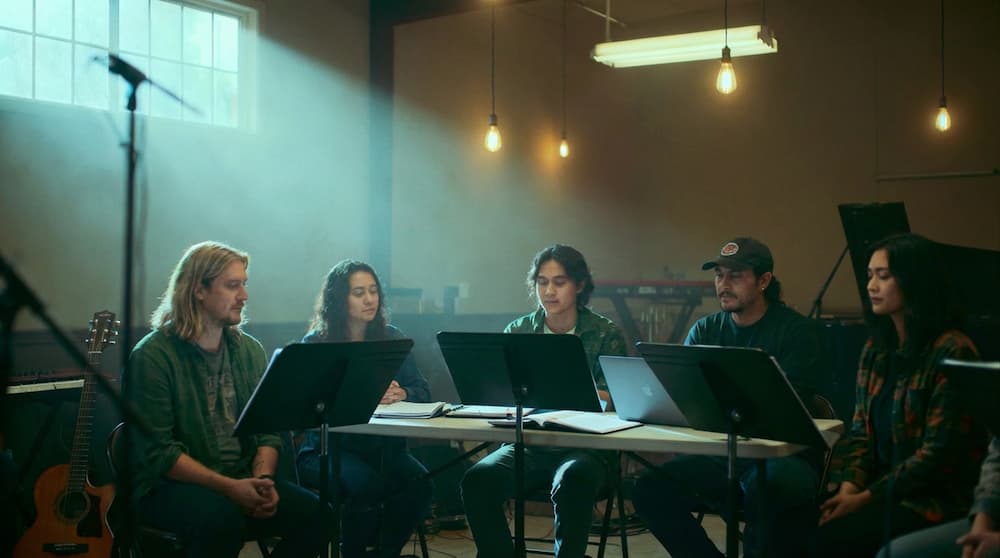



Creating a worship team meeting agenda is an essential step in preparing for engaging and spiritually uplifting worship services. An agenda ensures that all team members are aligned with the goals of the upcoming worship sessions, understand their roles, and are aware of the rehearsal schedules.
An effective agenda also facilitates discussion on musical selections, technical needs, and any special elements to be included in the worship experience.
In this guide, we walk you through how to create the perfect worship team meeting agenda.
15 Characteristics of a Healthy Worship Team Meeting
Discusses Song Selections
A healthy worship team meeting always includes a discussion of song selections. This ensures that the songs chosen align with the service's theme and flow well together. It also allows team members to suggest new songs and provide input on arrangements. This creative and dynamic process keeps the music fresh and engaging.
Organizes Team Roles and Responsibilities
Effective meetings organize team roles and responsibilities. Assigning specific tasks to each member helps distribute the workload evenly and ensures that everything is covered, from leading worship to managing technical aspects. This strategic and resourceful approach helps the team function efficiently.
Reviews Previous Service Feedback
Reviewing feedback from previous services is crucial for continuous improvement. This includes implementing feedback from leadership as well as from fellow worship team members. It helps the team understand what worked well and what needs adjustment, creating a culture of growth and excellence.
Sets Goals for Team Growth
Setting goals for team growth keeps the worship ministry moving forward. Whether it's improving musical skills, enhancing stage presence, or deepening spiritual connection, having clear goals motivates the team to strive for excellence. This goal-oriented and visionary approach encourages continuous development.
Focuses on Prayer and Spiritual Preparation
Sharing inspirational thoughts or devotionals can help center the team on Christ, while prayer can ground the team in a spirit of worship. These practices not only set a positive tone for the meeting but also reinforce the true purpose behind the worship ministry, to glorify God. Focusing on Jesus first is a prayerful and supportive way to begin the meeting and can even help the team decide on service themes or Scripture passages.
Evaluates Worship Team Dynamics
Evaluating worship team dynamics ensures that everyone is working well together. Addressing any interpersonal issues or conflicts can help maintain a harmonious and effective team. This collaborative and supportive approach promotes unity.
Adjusts Plans Based on Congregation Needs
Adjusting plans based on congregation needs and feedback shows responsive adaptability. This might involve changing song selections or service flow to better meet the spiritual needs of the congregation.
Having a flexible approach ensures the worship experience is inclusive and purposeful. An effective team adapts to feedback and changing circumstances, even if it feels difficult to do so.
Prioritizes Time Management
Estimate the time needed for each agenda item, and be disciplined about sticking to these timelines. Prioritize items that require immediate attention and reschedule discussion of other topics for future meetings if needed.
Promotes Active Participation
Encourage every team member to contribute their insights and ideas, no matter how small they may seem. Utilize brainstorming techniques, democratic decision-making, and collaborative tools to facilitate open communication and creativity.
Leverages Technology for Efficiency
Incorporate digital tools and platforms to streamline meeting logistics and enhance collaboration. Use project management software to assign tasks and track progress, and consider video conferencing for remote members to join in.
Additionally, sharing documents online enables real-time editing and feedback, making meeting preparation more dynamic and inclusive.
Updates on Technical or Logistical Needs
Regular updates on technical or logistical needs help keep everything running smoothly. This might include checking equipment, updating software, or coordinating with other church staff. This detailed and resourceful approach ensures all technical aspects are covered.
Brainstorms Ideas for Worship Innovation
Proposing or considering new ideas for worship innovation keeps the ministry fresh and engaging. This might involve analyzing worship trends and resources and applying them, developing new team skills and competencies, or even integrating new worship elements.
Encouraging innovative and creative approaches can help enhance the worship experience. This dynamic and visionary practice fosters an environment of continuous improvement.
Reflects on Spiritual Themes for Services
Reflecting on spiritual themes for services helps ensure that the worship experience is meaningful and aligned with the church's mission. This prayerful and reflective practice encourages thoughtful planning and spiritual depth.
Provides Clear Action Items and Follow-up
Assign clear tasks and responsibilities that arise from the meeting discussions. Designate a diligent note-taker to document key decisions and action items. Follow up promptly to ensure progress and accountability.
Celebrate the Wins
Taking time to celebrate the wins is crucial for maintaining morale and motivation within the team. Recognizing and celebrating successes, whether big or small, fosters a supportive and encouraging atmosphere. This practice reinforces the value of each member's contribution and promotes a positive, engaging, and empowering team culture.
Common Mistakes During Worship Team Meetings
No Room for Feedback or Healthy Conflict
One of the biggest mistakes made during worship team meetings is not allowing space for feedback or healthy conflict. Without open channels for communication, team members may feel unheard, leading to unresolved issues and tensions.
It's essential to foster a collaborative environment where everyone can express their thoughts and concerns in a constructive way. This doesn’t just apply to logistics; healthy communication is also critical for facilitating discussions on worship vision.
Poor Time Prioritization
Another common issue is poor time prioritization. Meetings that drag on without clear direction can be frustrating and unproductive, while meetings that rush through priorities can feel lazy. It's essential to have a structured, organized, and focused agenda that allocates specific time frames for different topics, ensuring that all critical areas are covered without wasting time.
Unclear Expectations
Unclear expectations can lead to confusion and inconsistency in the worship team's performance. Every member should know their roles and responsibilities, as well as the goals for each service.
Clear communication and defined expectations help keep everyone on the same page. This goal-oriented and transparent approach ensures that each member understands their part in the larger mission.
Poor Follow-up
Finally, poor follow-up can undermine the effectiveness of even the best-planned meetings. Without follow-up on decisions and action items, progress can stall.
It's crucial to review previous meeting notes and track the completion of tasks to maintain momentum. This reflective, detailed, and purposeful practice helps ensure continuous improvement.
Three Samples of a Worship Team Meeting Agenda
Sample Agenda 1:
- Opening Prayer and Devotional (10 minutes)
- Review Previous Service Feedback (15 minutes)
- Discuss Song Selections (20 minutes)
- Organize Team Roles and Responsibilities (15 minutes)
- Set Goals for Upcoming Services (10 minutes)
- Address Technical or Logistical Needs (10 minutes)
- Brainstorm Worship Innovations (10 minutes)
- Closing Prayer (5 minutes)
Sample Agenda 2:
- Welcome and Devotional (5 minutes)
- Evaluate Worship Team Dynamics (15 minutes)
- Review and Plan Song Selections (25 minutes)
- Delegate Tasks for Next Service (15 minutes)
- Reflect on Congregation Feedback (10 minutes)
- Update on Technical Needs (10 minutes)
- Set Goals for Team Improvement (10 minutes)
- Closing Remarks and Prayer (5 minutes)
Sample Agenda 3:
- Opening Devotional and Prayer (10 minutes)
- Review of Last Service (20 minutes)
- Song Selection and Arrangement Discussion (20 minutes)
- Team Roles and Responsibility Assignment (15 minutes)
- Technical and Logistical Updates (10 minutes)
- Goal Setting for Future Services (10 minutes)
- Brainstorming Session for Innovations (10 minutes)
- Final Thoughts and Prayer (5 minutes)
Wrapping Up
Creating a well-structured worship team meeting agenda is crucial for the success of your ministry. By avoiding common mistakes and incorporating key characteristics of healthy meetings, you can foster a unified and effective worship team.
Use the sample agendas provided as a starting point, and tailor them to meet your team's unique needs. With thoughtful planning and the right tools, your worship team meetings can set the stage for impactful and inspiring services week after week.
Sign Up for Product Updates

Tithely provides the tools you need to engage with your church online, stay connected, increase generosity, and simplify the lives of your staff.
With tools like text and email messaging, custom church apps and websites, church management software, digital giving, and so much more… it’s no wonder why over 53,000 churches in 50 countries trust Tithely to help run their church.
Creating a worship team meeting agenda is an essential step in preparing for engaging and spiritually uplifting worship services. An agenda ensures that all team members are aligned with the goals of the upcoming worship sessions, understand their roles, and are aware of the rehearsal schedules.
An effective agenda also facilitates discussion on musical selections, technical needs, and any special elements to be included in the worship experience.
In this guide, we walk you through how to create the perfect worship team meeting agenda.
15 Characteristics of a Healthy Worship Team Meeting
Discusses Song Selections
A healthy worship team meeting always includes a discussion of song selections. This ensures that the songs chosen align with the service's theme and flow well together. It also allows team members to suggest new songs and provide input on arrangements. This creative and dynamic process keeps the music fresh and engaging.
Organizes Team Roles and Responsibilities
Effective meetings organize team roles and responsibilities. Assigning specific tasks to each member helps distribute the workload evenly and ensures that everything is covered, from leading worship to managing technical aspects. This strategic and resourceful approach helps the team function efficiently.
Reviews Previous Service Feedback
Reviewing feedback from previous services is crucial for continuous improvement. This includes implementing feedback from leadership as well as from fellow worship team members. It helps the team understand what worked well and what needs adjustment, creating a culture of growth and excellence.
Sets Goals for Team Growth
Setting goals for team growth keeps the worship ministry moving forward. Whether it's improving musical skills, enhancing stage presence, or deepening spiritual connection, having clear goals motivates the team to strive for excellence. This goal-oriented and visionary approach encourages continuous development.
Focuses on Prayer and Spiritual Preparation
Sharing inspirational thoughts or devotionals can help center the team on Christ, while prayer can ground the team in a spirit of worship. These practices not only set a positive tone for the meeting but also reinforce the true purpose behind the worship ministry, to glorify God. Focusing on Jesus first is a prayerful and supportive way to begin the meeting and can even help the team decide on service themes or Scripture passages.
Evaluates Worship Team Dynamics
Evaluating worship team dynamics ensures that everyone is working well together. Addressing any interpersonal issues or conflicts can help maintain a harmonious and effective team. This collaborative and supportive approach promotes unity.
Adjusts Plans Based on Congregation Needs
Adjusting plans based on congregation needs and feedback shows responsive adaptability. This might involve changing song selections or service flow to better meet the spiritual needs of the congregation.
Having a flexible approach ensures the worship experience is inclusive and purposeful. An effective team adapts to feedback and changing circumstances, even if it feels difficult to do so.
Prioritizes Time Management
Estimate the time needed for each agenda item, and be disciplined about sticking to these timelines. Prioritize items that require immediate attention and reschedule discussion of other topics for future meetings if needed.
Promotes Active Participation
Encourage every team member to contribute their insights and ideas, no matter how small they may seem. Utilize brainstorming techniques, democratic decision-making, and collaborative tools to facilitate open communication and creativity.
Leverages Technology for Efficiency
Incorporate digital tools and platforms to streamline meeting logistics and enhance collaboration. Use project management software to assign tasks and track progress, and consider video conferencing for remote members to join in.
Additionally, sharing documents online enables real-time editing and feedback, making meeting preparation more dynamic and inclusive.
Updates on Technical or Logistical Needs
Regular updates on technical or logistical needs help keep everything running smoothly. This might include checking equipment, updating software, or coordinating with other church staff. This detailed and resourceful approach ensures all technical aspects are covered.
Brainstorms Ideas for Worship Innovation
Proposing or considering new ideas for worship innovation keeps the ministry fresh and engaging. This might involve analyzing worship trends and resources and applying them, developing new team skills and competencies, or even integrating new worship elements.
Encouraging innovative and creative approaches can help enhance the worship experience. This dynamic and visionary practice fosters an environment of continuous improvement.
Reflects on Spiritual Themes for Services
Reflecting on spiritual themes for services helps ensure that the worship experience is meaningful and aligned with the church's mission. This prayerful and reflective practice encourages thoughtful planning and spiritual depth.
Provides Clear Action Items and Follow-up
Assign clear tasks and responsibilities that arise from the meeting discussions. Designate a diligent note-taker to document key decisions and action items. Follow up promptly to ensure progress and accountability.
Celebrate the Wins
Taking time to celebrate the wins is crucial for maintaining morale and motivation within the team. Recognizing and celebrating successes, whether big or small, fosters a supportive and encouraging atmosphere. This practice reinforces the value of each member's contribution and promotes a positive, engaging, and empowering team culture.
Common Mistakes During Worship Team Meetings
No Room for Feedback or Healthy Conflict
One of the biggest mistakes made during worship team meetings is not allowing space for feedback or healthy conflict. Without open channels for communication, team members may feel unheard, leading to unresolved issues and tensions.
It's essential to foster a collaborative environment where everyone can express their thoughts and concerns in a constructive way. This doesn’t just apply to logistics; healthy communication is also critical for facilitating discussions on worship vision.
Poor Time Prioritization
Another common issue is poor time prioritization. Meetings that drag on without clear direction can be frustrating and unproductive, while meetings that rush through priorities can feel lazy. It's essential to have a structured, organized, and focused agenda that allocates specific time frames for different topics, ensuring that all critical areas are covered without wasting time.
Unclear Expectations
Unclear expectations can lead to confusion and inconsistency in the worship team's performance. Every member should know their roles and responsibilities, as well as the goals for each service.
Clear communication and defined expectations help keep everyone on the same page. This goal-oriented and transparent approach ensures that each member understands their part in the larger mission.
Poor Follow-up
Finally, poor follow-up can undermine the effectiveness of even the best-planned meetings. Without follow-up on decisions and action items, progress can stall.
It's crucial to review previous meeting notes and track the completion of tasks to maintain momentum. This reflective, detailed, and purposeful practice helps ensure continuous improvement.
Three Samples of a Worship Team Meeting Agenda
Sample Agenda 1:
- Opening Prayer and Devotional (10 minutes)
- Review Previous Service Feedback (15 minutes)
- Discuss Song Selections (20 minutes)
- Organize Team Roles and Responsibilities (15 minutes)
- Set Goals for Upcoming Services (10 minutes)
- Address Technical or Logistical Needs (10 minutes)
- Brainstorm Worship Innovations (10 minutes)
- Closing Prayer (5 minutes)
Sample Agenda 2:
- Welcome and Devotional (5 minutes)
- Evaluate Worship Team Dynamics (15 minutes)
- Review and Plan Song Selections (25 minutes)
- Delegate Tasks for Next Service (15 minutes)
- Reflect on Congregation Feedback (10 minutes)
- Update on Technical Needs (10 minutes)
- Set Goals for Team Improvement (10 minutes)
- Closing Remarks and Prayer (5 minutes)
Sample Agenda 3:
- Opening Devotional and Prayer (10 minutes)
- Review of Last Service (20 minutes)
- Song Selection and Arrangement Discussion (20 minutes)
- Team Roles and Responsibility Assignment (15 minutes)
- Technical and Logistical Updates (10 minutes)
- Goal Setting for Future Services (10 minutes)
- Brainstorming Session for Innovations (10 minutes)
- Final Thoughts and Prayer (5 minutes)
Wrapping Up
Creating a well-structured worship team meeting agenda is crucial for the success of your ministry. By avoiding common mistakes and incorporating key characteristics of healthy meetings, you can foster a unified and effective worship team.
Use the sample agendas provided as a starting point, and tailor them to meet your team's unique needs. With thoughtful planning and the right tools, your worship team meetings can set the stage for impactful and inspiring services week after week.
podcast transcript
Tithely provides the tools you need to engage with your church online, stay connected, increase generosity, and simplify the lives of your staff.
With tools like text and email messaging, custom church apps and websites, church management software, digital giving, and so much more… it’s no wonder why over 53,000 churches in 50 countries trust Tithely to help run their church.
Creating a worship team meeting agenda is an essential step in preparing for engaging and spiritually uplifting worship services. An agenda ensures that all team members are aligned with the goals of the upcoming worship sessions, understand their roles, and are aware of the rehearsal schedules.
An effective agenda also facilitates discussion on musical selections, technical needs, and any special elements to be included in the worship experience.
In this guide, we walk you through how to create the perfect worship team meeting agenda.
15 Characteristics of a Healthy Worship Team Meeting
Discusses Song Selections
A healthy worship team meeting always includes a discussion of song selections. This ensures that the songs chosen align with the service's theme and flow well together. It also allows team members to suggest new songs and provide input on arrangements. This creative and dynamic process keeps the music fresh and engaging.
Organizes Team Roles and Responsibilities
Effective meetings organize team roles and responsibilities. Assigning specific tasks to each member helps distribute the workload evenly and ensures that everything is covered, from leading worship to managing technical aspects. This strategic and resourceful approach helps the team function efficiently.
Reviews Previous Service Feedback
Reviewing feedback from previous services is crucial for continuous improvement. This includes implementing feedback from leadership as well as from fellow worship team members. It helps the team understand what worked well and what needs adjustment, creating a culture of growth and excellence.
Sets Goals for Team Growth
Setting goals for team growth keeps the worship ministry moving forward. Whether it's improving musical skills, enhancing stage presence, or deepening spiritual connection, having clear goals motivates the team to strive for excellence. This goal-oriented and visionary approach encourages continuous development.
Focuses on Prayer and Spiritual Preparation
Sharing inspirational thoughts or devotionals can help center the team on Christ, while prayer can ground the team in a spirit of worship. These practices not only set a positive tone for the meeting but also reinforce the true purpose behind the worship ministry, to glorify God. Focusing on Jesus first is a prayerful and supportive way to begin the meeting and can even help the team decide on service themes or Scripture passages.
Evaluates Worship Team Dynamics
Evaluating worship team dynamics ensures that everyone is working well together. Addressing any interpersonal issues or conflicts can help maintain a harmonious and effective team. This collaborative and supportive approach promotes unity.
Adjusts Plans Based on Congregation Needs
Adjusting plans based on congregation needs and feedback shows responsive adaptability. This might involve changing song selections or service flow to better meet the spiritual needs of the congregation.
Having a flexible approach ensures the worship experience is inclusive and purposeful. An effective team adapts to feedback and changing circumstances, even if it feels difficult to do so.
Prioritizes Time Management
Estimate the time needed for each agenda item, and be disciplined about sticking to these timelines. Prioritize items that require immediate attention and reschedule discussion of other topics for future meetings if needed.
Promotes Active Participation
Encourage every team member to contribute their insights and ideas, no matter how small they may seem. Utilize brainstorming techniques, democratic decision-making, and collaborative tools to facilitate open communication and creativity.
Leverages Technology for Efficiency
Incorporate digital tools and platforms to streamline meeting logistics and enhance collaboration. Use project management software to assign tasks and track progress, and consider video conferencing for remote members to join in.
Additionally, sharing documents online enables real-time editing and feedback, making meeting preparation more dynamic and inclusive.
Updates on Technical or Logistical Needs
Regular updates on technical or logistical needs help keep everything running smoothly. This might include checking equipment, updating software, or coordinating with other church staff. This detailed and resourceful approach ensures all technical aspects are covered.
Brainstorms Ideas for Worship Innovation
Proposing or considering new ideas for worship innovation keeps the ministry fresh and engaging. This might involve analyzing worship trends and resources and applying them, developing new team skills and competencies, or even integrating new worship elements.
Encouraging innovative and creative approaches can help enhance the worship experience. This dynamic and visionary practice fosters an environment of continuous improvement.
Reflects on Spiritual Themes for Services
Reflecting on spiritual themes for services helps ensure that the worship experience is meaningful and aligned with the church's mission. This prayerful and reflective practice encourages thoughtful planning and spiritual depth.
Provides Clear Action Items and Follow-up
Assign clear tasks and responsibilities that arise from the meeting discussions. Designate a diligent note-taker to document key decisions and action items. Follow up promptly to ensure progress and accountability.
Celebrate the Wins
Taking time to celebrate the wins is crucial for maintaining morale and motivation within the team. Recognizing and celebrating successes, whether big or small, fosters a supportive and encouraging atmosphere. This practice reinforces the value of each member's contribution and promotes a positive, engaging, and empowering team culture.
Common Mistakes During Worship Team Meetings
No Room for Feedback or Healthy Conflict
One of the biggest mistakes made during worship team meetings is not allowing space for feedback or healthy conflict. Without open channels for communication, team members may feel unheard, leading to unresolved issues and tensions.
It's essential to foster a collaborative environment where everyone can express their thoughts and concerns in a constructive way. This doesn’t just apply to logistics; healthy communication is also critical for facilitating discussions on worship vision.
Poor Time Prioritization
Another common issue is poor time prioritization. Meetings that drag on without clear direction can be frustrating and unproductive, while meetings that rush through priorities can feel lazy. It's essential to have a structured, organized, and focused agenda that allocates specific time frames for different topics, ensuring that all critical areas are covered without wasting time.
Unclear Expectations
Unclear expectations can lead to confusion and inconsistency in the worship team's performance. Every member should know their roles and responsibilities, as well as the goals for each service.
Clear communication and defined expectations help keep everyone on the same page. This goal-oriented and transparent approach ensures that each member understands their part in the larger mission.
Poor Follow-up
Finally, poor follow-up can undermine the effectiveness of even the best-planned meetings. Without follow-up on decisions and action items, progress can stall.
It's crucial to review previous meeting notes and track the completion of tasks to maintain momentum. This reflective, detailed, and purposeful practice helps ensure continuous improvement.
Three Samples of a Worship Team Meeting Agenda
Sample Agenda 1:
- Opening Prayer and Devotional (10 minutes)
- Review Previous Service Feedback (15 minutes)
- Discuss Song Selections (20 minutes)
- Organize Team Roles and Responsibilities (15 minutes)
- Set Goals for Upcoming Services (10 minutes)
- Address Technical or Logistical Needs (10 minutes)
- Brainstorm Worship Innovations (10 minutes)
- Closing Prayer (5 minutes)
Sample Agenda 2:
- Welcome and Devotional (5 minutes)
- Evaluate Worship Team Dynamics (15 minutes)
- Review and Plan Song Selections (25 minutes)
- Delegate Tasks for Next Service (15 minutes)
- Reflect on Congregation Feedback (10 minutes)
- Update on Technical Needs (10 minutes)
- Set Goals for Team Improvement (10 minutes)
- Closing Remarks and Prayer (5 minutes)
Sample Agenda 3:
- Opening Devotional and Prayer (10 minutes)
- Review of Last Service (20 minutes)
- Song Selection and Arrangement Discussion (20 minutes)
- Team Roles and Responsibility Assignment (15 minutes)
- Technical and Logistical Updates (10 minutes)
- Goal Setting for Future Services (10 minutes)
- Brainstorming Session for Innovations (10 minutes)
- Final Thoughts and Prayer (5 minutes)
Wrapping Up
Creating a well-structured worship team meeting agenda is crucial for the success of your ministry. By avoiding common mistakes and incorporating key characteristics of healthy meetings, you can foster a unified and effective worship team.
Use the sample agendas provided as a starting point, and tailor them to meet your team's unique needs. With thoughtful planning and the right tools, your worship team meetings can set the stage for impactful and inspiring services week after week.
VIDEO transcript
Creating a worship team meeting agenda is an essential step in preparing for engaging and spiritually uplifting worship services. An agenda ensures that all team members are aligned with the goals of the upcoming worship sessions, understand their roles, and are aware of the rehearsal schedules.
An effective agenda also facilitates discussion on musical selections, technical needs, and any special elements to be included in the worship experience.
In this guide, we walk you through how to create the perfect worship team meeting agenda.
15 Characteristics of a Healthy Worship Team Meeting
Discusses Song Selections
A healthy worship team meeting always includes a discussion of song selections. This ensures that the songs chosen align with the service's theme and flow well together. It also allows team members to suggest new songs and provide input on arrangements. This creative and dynamic process keeps the music fresh and engaging.
Organizes Team Roles and Responsibilities
Effective meetings organize team roles and responsibilities. Assigning specific tasks to each member helps distribute the workload evenly and ensures that everything is covered, from leading worship to managing technical aspects. This strategic and resourceful approach helps the team function efficiently.
Reviews Previous Service Feedback
Reviewing feedback from previous services is crucial for continuous improvement. This includes implementing feedback from leadership as well as from fellow worship team members. It helps the team understand what worked well and what needs adjustment, creating a culture of growth and excellence.
Sets Goals for Team Growth
Setting goals for team growth keeps the worship ministry moving forward. Whether it's improving musical skills, enhancing stage presence, or deepening spiritual connection, having clear goals motivates the team to strive for excellence. This goal-oriented and visionary approach encourages continuous development.
Focuses on Prayer and Spiritual Preparation
Sharing inspirational thoughts or devotionals can help center the team on Christ, while prayer can ground the team in a spirit of worship. These practices not only set a positive tone for the meeting but also reinforce the true purpose behind the worship ministry, to glorify God. Focusing on Jesus first is a prayerful and supportive way to begin the meeting and can even help the team decide on service themes or Scripture passages.
Evaluates Worship Team Dynamics
Evaluating worship team dynamics ensures that everyone is working well together. Addressing any interpersonal issues or conflicts can help maintain a harmonious and effective team. This collaborative and supportive approach promotes unity.
Adjusts Plans Based on Congregation Needs
Adjusting plans based on congregation needs and feedback shows responsive adaptability. This might involve changing song selections or service flow to better meet the spiritual needs of the congregation.
Having a flexible approach ensures the worship experience is inclusive and purposeful. An effective team adapts to feedback and changing circumstances, even if it feels difficult to do so.
Prioritizes Time Management
Estimate the time needed for each agenda item, and be disciplined about sticking to these timelines. Prioritize items that require immediate attention and reschedule discussion of other topics for future meetings if needed.
Promotes Active Participation
Encourage every team member to contribute their insights and ideas, no matter how small they may seem. Utilize brainstorming techniques, democratic decision-making, and collaborative tools to facilitate open communication and creativity.
Leverages Technology for Efficiency
Incorporate digital tools and platforms to streamline meeting logistics and enhance collaboration. Use project management software to assign tasks and track progress, and consider video conferencing for remote members to join in.
Additionally, sharing documents online enables real-time editing and feedback, making meeting preparation more dynamic and inclusive.
Updates on Technical or Logistical Needs
Regular updates on technical or logistical needs help keep everything running smoothly. This might include checking equipment, updating software, or coordinating with other church staff. This detailed and resourceful approach ensures all technical aspects are covered.
Brainstorms Ideas for Worship Innovation
Proposing or considering new ideas for worship innovation keeps the ministry fresh and engaging. This might involve analyzing worship trends and resources and applying them, developing new team skills and competencies, or even integrating new worship elements.
Encouraging innovative and creative approaches can help enhance the worship experience. This dynamic and visionary practice fosters an environment of continuous improvement.
Reflects on Spiritual Themes for Services
Reflecting on spiritual themes for services helps ensure that the worship experience is meaningful and aligned with the church's mission. This prayerful and reflective practice encourages thoughtful planning and spiritual depth.
Provides Clear Action Items and Follow-up
Assign clear tasks and responsibilities that arise from the meeting discussions. Designate a diligent note-taker to document key decisions and action items. Follow up promptly to ensure progress and accountability.
Celebrate the Wins
Taking time to celebrate the wins is crucial for maintaining morale and motivation within the team. Recognizing and celebrating successes, whether big or small, fosters a supportive and encouraging atmosphere. This practice reinforces the value of each member's contribution and promotes a positive, engaging, and empowering team culture.
Common Mistakes During Worship Team Meetings
No Room for Feedback or Healthy Conflict
One of the biggest mistakes made during worship team meetings is not allowing space for feedback or healthy conflict. Without open channels for communication, team members may feel unheard, leading to unresolved issues and tensions.
It's essential to foster a collaborative environment where everyone can express their thoughts and concerns in a constructive way. This doesn’t just apply to logistics; healthy communication is also critical for facilitating discussions on worship vision.
Poor Time Prioritization
Another common issue is poor time prioritization. Meetings that drag on without clear direction can be frustrating and unproductive, while meetings that rush through priorities can feel lazy. It's essential to have a structured, organized, and focused agenda that allocates specific time frames for different topics, ensuring that all critical areas are covered without wasting time.
Unclear Expectations
Unclear expectations can lead to confusion and inconsistency in the worship team's performance. Every member should know their roles and responsibilities, as well as the goals for each service.
Clear communication and defined expectations help keep everyone on the same page. This goal-oriented and transparent approach ensures that each member understands their part in the larger mission.
Poor Follow-up
Finally, poor follow-up can undermine the effectiveness of even the best-planned meetings. Without follow-up on decisions and action items, progress can stall.
It's crucial to review previous meeting notes and track the completion of tasks to maintain momentum. This reflective, detailed, and purposeful practice helps ensure continuous improvement.
Three Samples of a Worship Team Meeting Agenda
Sample Agenda 1:
- Opening Prayer and Devotional (10 minutes)
- Review Previous Service Feedback (15 minutes)
- Discuss Song Selections (20 minutes)
- Organize Team Roles and Responsibilities (15 minutes)
- Set Goals for Upcoming Services (10 minutes)
- Address Technical or Logistical Needs (10 minutes)
- Brainstorm Worship Innovations (10 minutes)
- Closing Prayer (5 minutes)
Sample Agenda 2:
- Welcome and Devotional (5 minutes)
- Evaluate Worship Team Dynamics (15 minutes)
- Review and Plan Song Selections (25 minutes)
- Delegate Tasks for Next Service (15 minutes)
- Reflect on Congregation Feedback (10 minutes)
- Update on Technical Needs (10 minutes)
- Set Goals for Team Improvement (10 minutes)
- Closing Remarks and Prayer (5 minutes)
Sample Agenda 3:
- Opening Devotional and Prayer (10 minutes)
- Review of Last Service (20 minutes)
- Song Selection and Arrangement Discussion (20 minutes)
- Team Roles and Responsibility Assignment (15 minutes)
- Technical and Logistical Updates (10 minutes)
- Goal Setting for Future Services (10 minutes)
- Brainstorming Session for Innovations (10 minutes)
- Final Thoughts and Prayer (5 minutes)
Wrapping Up
Creating a well-structured worship team meeting agenda is crucial for the success of your ministry. By avoiding common mistakes and incorporating key characteristics of healthy meetings, you can foster a unified and effective worship team.
Use the sample agendas provided as a starting point, and tailor them to meet your team's unique needs. With thoughtful planning and the right tools, your worship team meetings can set the stage for impactful and inspiring services week after week.
Sign Up for Product Updates
Tithely provides the tools you need to engage with your church online, stay connected, increase generosity, and simplify the lives of your staff.
With tools like text and email messaging, custom church apps and websites, church management software, digital giving, and so much more… it’s no wonder why over 53,000 churches in 50 countries trust Tithely to help run their church.

You Might Also Like
More Resources

From increasing giving, managing your congregation, and engaging your church, our collection of resources will keep you up-to-date on the latest church and ministry trends.
Free Resources