“I Don’t Actually Know Who’s Attending Anymore”
Church management software helps pastors track attendance, manage member directories, follow up with guests, centralize communication, and reduce manual administrative work so they can shepherd more intentionally.



Some seasons in ministry feel clear.
This isn’t one of them.
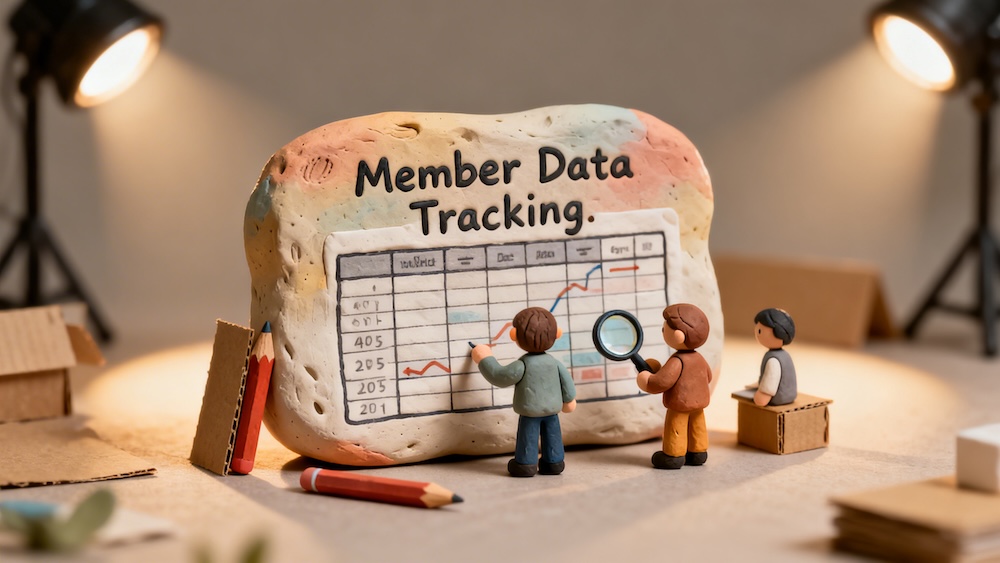
Attendance patterns have shifted. Faithful families attend twice a month instead of four times. New guests come once… then vanish. Longtime members move or drift, and no one quite knows when it happened.
And quietly, you start to ask:
“Do I actually know who’s attending our church anymore?”
That question isn’t about control. It’s about shepherding.
Without a system, it’s hard to care intentionally for the people God has entrusted to you.
Step 1: Identify the Real Pain Points
Before researching church software, pause and name what’s actually frustrating you.
Is it one of these?
- Fragmented data. Attendance in one spreadsheet. Giving in another. Volunteer lists in someone’s inbox.
- Manual entry overload. Staff or volunteers retyping the same information over and over.
- Visitors falling through the cracks. Connection cards stacked on a desk. No follow-up plan.
- No centralized directory. You’re unsure who’s new, who’s been absent, and who’s still engaged.
These aren’t minor inconveniences. They add to the quiet burden of administration.
And administration, left unchecked, leads to burnout.
Church management software isn’t about becoming corporate. It’s about stewardship. When you can clearly see your congregation—new families, longtime members, volunteers—you can shepherd with intention instead of guesswork.
Step 2: Clarify What “Mission-Fit” Really Means
Not all church software is created equal.
The goal isn’t the most features. It’s the right fit for your ministry.
As you research options, ask:
Does This Help Me Shepherd Better?
Can you:
- Track attendance trends without hours of manual counting?
- See who hasn’t been present recently?
- Identify first-time guests versus regular attenders?
A healthy system should help you notice people. Not just numbers.
For example, a platform like Tithely Church Management centralizes people data, attendance, groups, and communication in one place. That means fewer spreadsheets—and more clarity about your community.
Does It Support, Not Replace, Relationships?
Technology should never replace pastoral care. It should remove friction so you can focus on it.
When software is aligned with your mission:
- Volunteers can easily check people in.
- Staff can quickly pull reports.
- Follow-up happens faster and more personally.
That’s not less ministry. That’s smarter ministry.
Step 3: Look for Transparent Pricing and Volunteer-Friendly Design
Here’s where many pastors feel stuck.
You don’t want surprises. You don’t want complex contracts. And you definitely don’t want something your volunteers can’t figure out.
As you evaluate church software research options, prioritize:
- Clear pricing. No hidden add-ons buried in fine print.
- Simple onboarding. Volunteers should learn it in minutes, not weeks.
- Scalability. Will it grow with you if attendance increases?
Take time to review a provider’s pricing page directly. For example, Tithely’s pricing is laid out clearly at https://get.tithe.ly/pricing so you can see what’s included and what isn’t.
Transparency matters. Especially when you’re stewarding church resources.
Step 4: Count the Cost of Doing Nothing
Here’s a gentle but important question:
What’s the cost of not having a system?
- Families who never receive follow-up.
- Members who drift unnoticed.
- Staff overwhelmed by manual processes.
- You carrying the administrative burden alone.
The longer irregular attendance patterns continue, the harder it becomes to rebuild clarity.
Church management software won’t fix spiritual apathy. It won’t create revival.
But it can give you visibility.
And visibility leads to intentional shepherding.
A Final Word to the Weary Pastor
You’re not behind.
You’re not failing because you’re researching church software.
In fact, this may be an act of faithful stewardship.
When the administrative load decreases, your margin increases. More time for prayer. More time for people. Less scrambling. More clarity.
Technology should never replace the shepherd.
But it can help the shepherd see the flock.
Call to Action
If you’re in the middle of church software research, take one small next step:
Explore a system that centralizes your people, attendance, and communication in one place. Review the features. Look at the pricing. Ask hard questions.
Your goal isn’t better data.
It’s better care.
And that’s worth getting right.
Sign Up for Product Updates

Chris Dunagan is a marketing strategist focused on church tech and digital engagement. He helps churches grow through SEO, email campaigns, and tools like Tithely and Breeze ChMS, with an emphasis on online giving, content strategy, and digital outreach.
Some seasons in ministry feel clear.
This isn’t one of them.
Attendance patterns have shifted. Faithful families attend twice a month instead of four times. New guests come once… then vanish. Longtime members move or drift, and no one quite knows when it happened.
And quietly, you start to ask:
“Do I actually know who’s attending our church anymore?”
That question isn’t about control. It’s about shepherding.
Without a system, it’s hard to care intentionally for the people God has entrusted to you.
Step 1: Identify the Real Pain Points
Before researching church software, pause and name what’s actually frustrating you.
Is it one of these?
- Fragmented data. Attendance in one spreadsheet. Giving in another. Volunteer lists in someone’s inbox.
- Manual entry overload. Staff or volunteers retyping the same information over and over.
- Visitors falling through the cracks. Connection cards stacked on a desk. No follow-up plan.
- No centralized directory. You’re unsure who’s new, who’s been absent, and who’s still engaged.
These aren’t minor inconveniences. They add to the quiet burden of administration.
And administration, left unchecked, leads to burnout.
Church management software isn’t about becoming corporate. It’s about stewardship. When you can clearly see your congregation—new families, longtime members, volunteers—you can shepherd with intention instead of guesswork.
Step 2: Clarify What “Mission-Fit” Really Means
Not all church software is created equal.
The goal isn’t the most features. It’s the right fit for your ministry.
As you research options, ask:
Does This Help Me Shepherd Better?
Can you:
- Track attendance trends without hours of manual counting?
- See who hasn’t been present recently?
- Identify first-time guests versus regular attenders?
A healthy system should help you notice people. Not just numbers.
For example, a platform like Tithely Church Management centralizes people data, attendance, groups, and communication in one place. That means fewer spreadsheets—and more clarity about your community.
Does It Support, Not Replace, Relationships?
Technology should never replace pastoral care. It should remove friction so you can focus on it.
When software is aligned with your mission:
- Volunteers can easily check people in.
- Staff can quickly pull reports.
- Follow-up happens faster and more personally.
That’s not less ministry. That’s smarter ministry.
Step 3: Look for Transparent Pricing and Volunteer-Friendly Design
Here’s where many pastors feel stuck.
You don’t want surprises. You don’t want complex contracts. And you definitely don’t want something your volunteers can’t figure out.
As you evaluate church software research options, prioritize:
- Clear pricing. No hidden add-ons buried in fine print.
- Simple onboarding. Volunteers should learn it in minutes, not weeks.
- Scalability. Will it grow with you if attendance increases?
Take time to review a provider’s pricing page directly. For example, Tithely’s pricing is laid out clearly at https://get.tithe.ly/pricing so you can see what’s included and what isn’t.
Transparency matters. Especially when you’re stewarding church resources.
Step 4: Count the Cost of Doing Nothing
Here’s a gentle but important question:
What’s the cost of not having a system?
- Families who never receive follow-up.
- Members who drift unnoticed.
- Staff overwhelmed by manual processes.
- You carrying the administrative burden alone.
The longer irregular attendance patterns continue, the harder it becomes to rebuild clarity.
Church management software won’t fix spiritual apathy. It won’t create revival.
But it can give you visibility.
And visibility leads to intentional shepherding.
A Final Word to the Weary Pastor
You’re not behind.
You’re not failing because you’re researching church software.
In fact, this may be an act of faithful stewardship.
When the administrative load decreases, your margin increases. More time for prayer. More time for people. Less scrambling. More clarity.
Technology should never replace the shepherd.
But it can help the shepherd see the flock.
Call to Action
If you’re in the middle of church software research, take one small next step:
Explore a system that centralizes your people, attendance, and communication in one place. Review the features. Look at the pricing. Ask hard questions.
Your goal isn’t better data.
It’s better care.
And that’s worth getting right.
podcast transcript
Chris Dunagan is a marketing strategist focused on church tech and digital engagement. He helps churches grow through SEO, email campaigns, and tools like Tithely and Breeze ChMS, with an emphasis on online giving, content strategy, and digital outreach.
Some seasons in ministry feel clear.
This isn’t one of them.
Attendance patterns have shifted. Faithful families attend twice a month instead of four times. New guests come once… then vanish. Longtime members move or drift, and no one quite knows when it happened.
And quietly, you start to ask:
“Do I actually know who’s attending our church anymore?”
That question isn’t about control. It’s about shepherding.
Without a system, it’s hard to care intentionally for the people God has entrusted to you.
Step 1: Identify the Real Pain Points
Before researching church software, pause and name what’s actually frustrating you.
Is it one of these?
- Fragmented data. Attendance in one spreadsheet. Giving in another. Volunteer lists in someone’s inbox.
- Manual entry overload. Staff or volunteers retyping the same information over and over.
- Visitors falling through the cracks. Connection cards stacked on a desk. No follow-up plan.
- No centralized directory. You’re unsure who’s new, who’s been absent, and who’s still engaged.
These aren’t minor inconveniences. They add to the quiet burden of administration.
And administration, left unchecked, leads to burnout.
Church management software isn’t about becoming corporate. It’s about stewardship. When you can clearly see your congregation—new families, longtime members, volunteers—you can shepherd with intention instead of guesswork.
Step 2: Clarify What “Mission-Fit” Really Means
Not all church software is created equal.
The goal isn’t the most features. It’s the right fit for your ministry.
As you research options, ask:
Does This Help Me Shepherd Better?
Can you:
- Track attendance trends without hours of manual counting?
- See who hasn’t been present recently?
- Identify first-time guests versus regular attenders?
A healthy system should help you notice people. Not just numbers.
For example, a platform like Tithely Church Management centralizes people data, attendance, groups, and communication in one place. That means fewer spreadsheets—and more clarity about your community.
Does It Support, Not Replace, Relationships?
Technology should never replace pastoral care. It should remove friction so you can focus on it.
When software is aligned with your mission:
- Volunteers can easily check people in.
- Staff can quickly pull reports.
- Follow-up happens faster and more personally.
That’s not less ministry. That’s smarter ministry.
Step 3: Look for Transparent Pricing and Volunteer-Friendly Design
Here’s where many pastors feel stuck.
You don’t want surprises. You don’t want complex contracts. And you definitely don’t want something your volunteers can’t figure out.
As you evaluate church software research options, prioritize:
- Clear pricing. No hidden add-ons buried in fine print.
- Simple onboarding. Volunteers should learn it in minutes, not weeks.
- Scalability. Will it grow with you if attendance increases?
Take time to review a provider’s pricing page directly. For example, Tithely’s pricing is laid out clearly at https://get.tithe.ly/pricing so you can see what’s included and what isn’t.
Transparency matters. Especially when you’re stewarding church resources.
Step 4: Count the Cost of Doing Nothing
Here’s a gentle but important question:
What’s the cost of not having a system?
- Families who never receive follow-up.
- Members who drift unnoticed.
- Staff overwhelmed by manual processes.
- You carrying the administrative burden alone.
The longer irregular attendance patterns continue, the harder it becomes to rebuild clarity.
Church management software won’t fix spiritual apathy. It won’t create revival.
But it can give you visibility.
And visibility leads to intentional shepherding.
A Final Word to the Weary Pastor
You’re not behind.
You’re not failing because you’re researching church software.
In fact, this may be an act of faithful stewardship.
When the administrative load decreases, your margin increases. More time for prayer. More time for people. Less scrambling. More clarity.
Technology should never replace the shepherd.
But it can help the shepherd see the flock.
Call to Action
If you’re in the middle of church software research, take one small next step:
Explore a system that centralizes your people, attendance, and communication in one place. Review the features. Look at the pricing. Ask hard questions.
Your goal isn’t better data.
It’s better care.
And that’s worth getting right.
VIDEO transcript
Some seasons in ministry feel clear.
This isn’t one of them.
Attendance patterns have shifted. Faithful families attend twice a month instead of four times. New guests come once… then vanish. Longtime members move or drift, and no one quite knows when it happened.
And quietly, you start to ask:
“Do I actually know who’s attending our church anymore?”
That question isn’t about control. It’s about shepherding.
Without a system, it’s hard to care intentionally for the people God has entrusted to you.
Step 1: Identify the Real Pain Points
Before researching church software, pause and name what’s actually frustrating you.
Is it one of these?
- Fragmented data. Attendance in one spreadsheet. Giving in another. Volunteer lists in someone’s inbox.
- Manual entry overload. Staff or volunteers retyping the same information over and over.
- Visitors falling through the cracks. Connection cards stacked on a desk. No follow-up plan.
- No centralized directory. You’re unsure who’s new, who’s been absent, and who’s still engaged.
These aren’t minor inconveniences. They add to the quiet burden of administration.
And administration, left unchecked, leads to burnout.
Church management software isn’t about becoming corporate. It’s about stewardship. When you can clearly see your congregation—new families, longtime members, volunteers—you can shepherd with intention instead of guesswork.
Step 2: Clarify What “Mission-Fit” Really Means
Not all church software is created equal.
The goal isn’t the most features. It’s the right fit for your ministry.
As you research options, ask:
Does This Help Me Shepherd Better?
Can you:
- Track attendance trends without hours of manual counting?
- See who hasn’t been present recently?
- Identify first-time guests versus regular attenders?
A healthy system should help you notice people. Not just numbers.
For example, a platform like Tithely Church Management centralizes people data, attendance, groups, and communication in one place. That means fewer spreadsheets—and more clarity about your community.
Does It Support, Not Replace, Relationships?
Technology should never replace pastoral care. It should remove friction so you can focus on it.
When software is aligned with your mission:
- Volunteers can easily check people in.
- Staff can quickly pull reports.
- Follow-up happens faster and more personally.
That’s not less ministry. That’s smarter ministry.
Step 3: Look for Transparent Pricing and Volunteer-Friendly Design
Here’s where many pastors feel stuck.
You don’t want surprises. You don’t want complex contracts. And you definitely don’t want something your volunteers can’t figure out.
As you evaluate church software research options, prioritize:
- Clear pricing. No hidden add-ons buried in fine print.
- Simple onboarding. Volunteers should learn it in minutes, not weeks.
- Scalability. Will it grow with you if attendance increases?
Take time to review a provider’s pricing page directly. For example, Tithely’s pricing is laid out clearly at https://get.tithe.ly/pricing so you can see what’s included and what isn’t.
Transparency matters. Especially when you’re stewarding church resources.
Step 4: Count the Cost of Doing Nothing
Here’s a gentle but important question:
What’s the cost of not having a system?
- Families who never receive follow-up.
- Members who drift unnoticed.
- Staff overwhelmed by manual processes.
- You carrying the administrative burden alone.
The longer irregular attendance patterns continue, the harder it becomes to rebuild clarity.
Church management software won’t fix spiritual apathy. It won’t create revival.
But it can give you visibility.
And visibility leads to intentional shepherding.
A Final Word to the Weary Pastor
You’re not behind.
You’re not failing because you’re researching church software.
In fact, this may be an act of faithful stewardship.
When the administrative load decreases, your margin increases. More time for prayer. More time for people. Less scrambling. More clarity.
Technology should never replace the shepherd.
But it can help the shepherd see the flock.
Call to Action
If you’re in the middle of church software research, take one small next step:
Explore a system that centralizes your people, attendance, and communication in one place. Review the features. Look at the pricing. Ask hard questions.
Your goal isn’t better data.
It’s better care.
And that’s worth getting right.
Sign Up for Product Updates
Chris Dunagan is a marketing strategist focused on church tech and digital engagement. He helps churches grow through SEO, email campaigns, and tools like Tithely and Breeze ChMS, with an emphasis on online giving, content strategy, and digital outreach.

You Might Also Like
More Resources

From increasing giving, managing your congregation, and engaging your church, our collection of resources will keep you up-to-date on the latest church and ministry trends.
Free Resources.jpg)
.jpg)
.jpg)







.jpg)