Should Christians Celebrate Halloween? A Balanced Perspective
Every year, as October 31st approaches, a debate resurfaces among Christian communities: Should Christians celebrate Halloween? The answer is not as straightforward as it might seem.



Every year, as October 31st approaches, a familiar question arises in Christian communities: Should Christians celebrate Halloween?
The answer isn’t black and white. For some, Halloween is a lighthearted tradition filled with costumes, candy, and community. For others, it feels like a holiday rooted in superstition and the occult, clashing with Christian values.
In this post, we’ll explore:
- Why many Christians avoid Halloween
- The rise of Harvest Festivals as alternatives
- The surprising Reformation connections to Halloween
- How churches can thoughtfully approach the holiday
Why Some Christians Avoid Halloween
For many Christians, the primary concern with Halloween is its perceived association with paganism and the occult. The origins of Halloween can be traced back to the ancient Celtic festival of Samhain, a time when the Celts believed the boundary between the living and the dead became blurred. This association with death, spirits, and superstition makes some Christians uncomfortable.
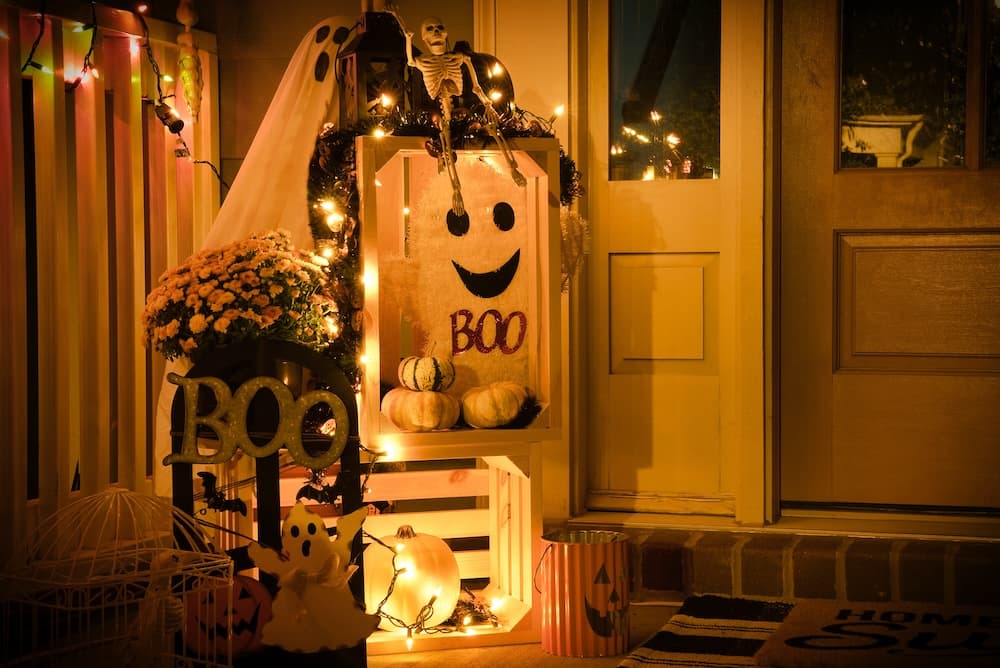
Moreover, modern Halloween celebrations often involve costumes of witches, ghosts, and other supernatural beings, further emphasizing the holiday's connection to the occult. For these reasons, many Christians feel that participating in Halloween might compromise their faith or send the wrong message to their children.
Halloween vs. Harvest Festivals
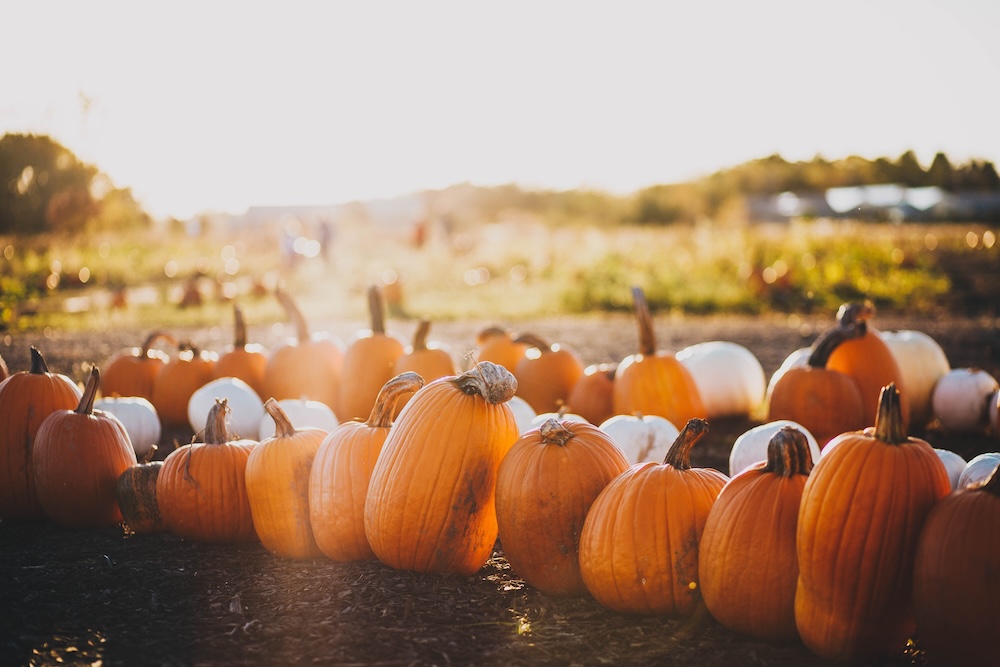
In response, many churches have turned to Harvest Festivals as a wholesome alternative. These events celebrate God’s provision and the beauty of the season without the darker elements of Halloween.
At a Harvest Festival, children often dress up as animals, community helpers, or biblical figures. Families enjoy games, candy, food, and fellowship in a safe, uplifting environment.
Harvest Festivals offer:
- A community-centered alternative
- A safe space for children and families
- A focus on gratitude instead of fear
This approach allows Christians to enjoy seasonal festivities while staying aligned with their convictions.
The Reformation Roots of Halloween
While many associate Halloween with ancient pagan traditions, few realize its connection to the Protestant Reformation. The name "Halloween" is derived from "All Hallows' Eve," the evening before All Saints' Day, a Christian holiday dedicated to honoring the saints.
During the Reformation, Protestants sought to distance themselves from certain Catholic practices, but they still recognized All Saints' Day. In fact, many Protestant communities celebrated the holiday with vigils, prayers, and hymns. Over time, some of these religious practices merged with local traditions, leading to the Halloween customs we recognize today.
Understanding this history can offer a fresh perspective on Halloween. Instead of seeing it solely as a pagan holiday, Christians can recognize its deep roots in Christian tradition.
How Churches Can Navigate Halloween
Churches looking to address the Halloween debate can consider the following approaches:
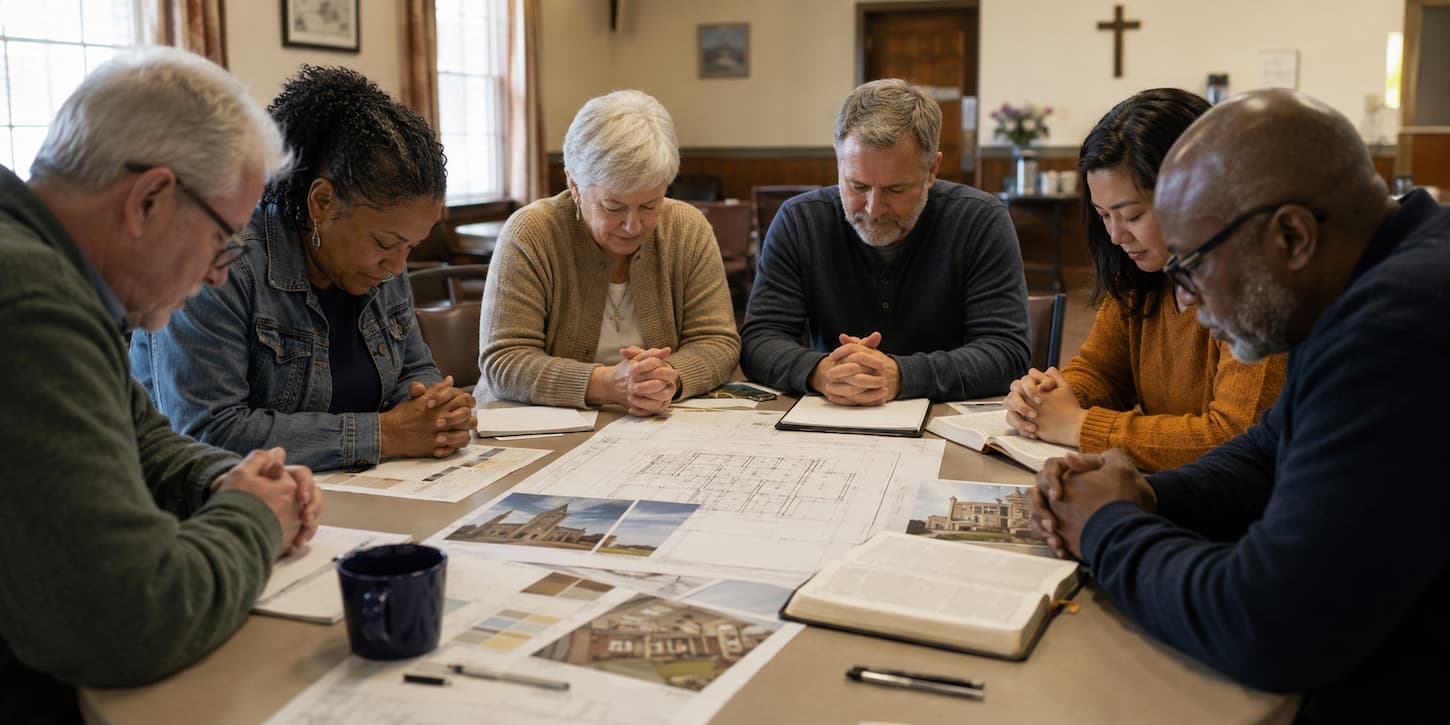
- Educate the Congregation: Share the true history of Halloween, including both its spiritual concerns and its Christian connections.
- Offer Alternatives: Host a Harvest Festival or a Reformation Day event. These can include hayrides, chili cook-offs, worship nights, or Bible-themed costume parties.
- Use it for outreach: Many churches organize “Trunk or Treat” events, where families can safely trick-or-treat in the church parking lot.
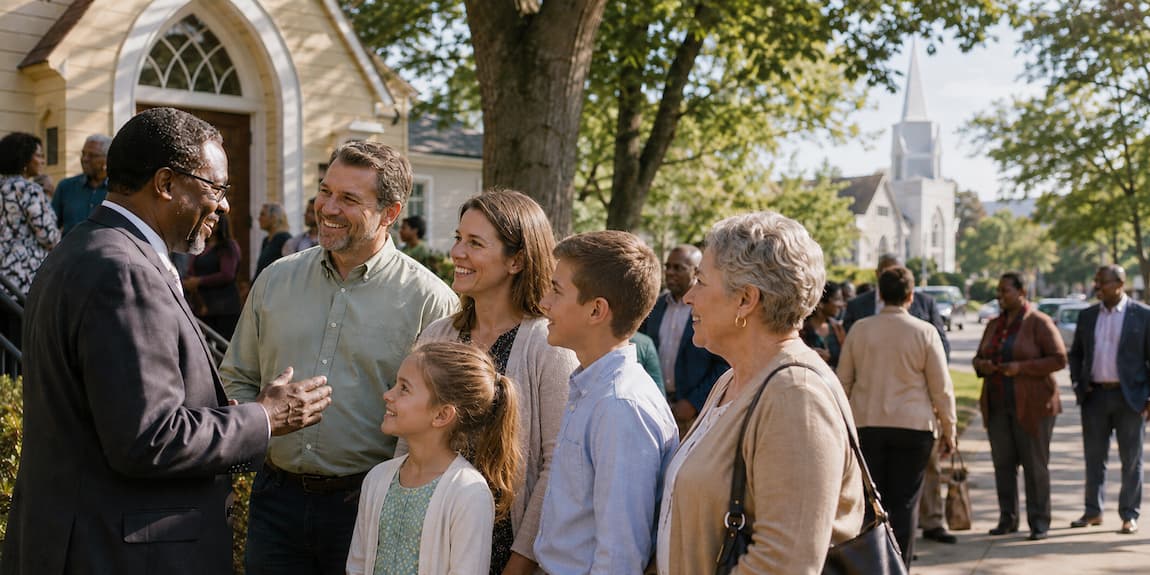
- Respect personal convictions: Some members may participate in Halloween traditions; others may not. Encourage grace and respect for differing viewpoints.
- Keep it Fun: Whether your community celebrates or abstains, create opportunities for connection through fall festivals, potlucks, or game nights
Halloween: Yes, No, or Something in Between?
So, should Christians celebrate Halloween? The truth is, it depends.
For some, it’s a chance to dress up, eat candy, and connect with neighbors. For others, it’s an opportunity to host a Christ-centered Harvest or Reformation celebration. At the end of the day, the heart behind the celebration matters most.
Whatever your approach, consider how your church can foster community, point people toward God’s goodness, and create joy-filled traditions for families this fall.
Looking for inspiration? Check out these 10 Ideas for Celebrating Halloween at Your Church for practical and creative ways to make the most of the season.
Sign Up for Product Updates

Tithely provides the tools you need to engage with your church online, stay connected, increase generosity, and simplify the lives of your staff.
With tools like text and email messaging, custom church apps and websites, church management software, digital giving, and so much more… it’s no wonder why over 53,000 churches in 50 countries trust Tithely to help run their church.
Every year, as October 31st approaches, a familiar question arises in Christian communities: Should Christians celebrate Halloween?
The answer isn’t black and white. For some, Halloween is a lighthearted tradition filled with costumes, candy, and community. For others, it feels like a holiday rooted in superstition and the occult, clashing with Christian values.
In this post, we’ll explore:
- Why many Christians avoid Halloween
- The rise of Harvest Festivals as alternatives
- The surprising Reformation connections to Halloween
- How churches can thoughtfully approach the holiday
Why Some Christians Avoid Halloween
For many Christians, the primary concern with Halloween is its perceived association with paganism and the occult. The origins of Halloween can be traced back to the ancient Celtic festival of Samhain, a time when the Celts believed the boundary between the living and the dead became blurred. This association with death, spirits, and superstition makes some Christians uncomfortable.
Moreover, modern Halloween celebrations often involve costumes of witches, ghosts, and other supernatural beings, further emphasizing the holiday's connection to the occult. For these reasons, many Christians feel that participating in Halloween might compromise their faith or send the wrong message to their children.
Halloween vs. Harvest Festivals
In response, many churches have turned to Harvest Festivals as a wholesome alternative. These events celebrate God’s provision and the beauty of the season without the darker elements of Halloween.
At a Harvest Festival, children often dress up as animals, community helpers, or biblical figures. Families enjoy games, candy, food, and fellowship in a safe, uplifting environment.
Harvest Festivals offer:
- A community-centered alternative
- A safe space for children and families
- A focus on gratitude instead of fear
This approach allows Christians to enjoy seasonal festivities while staying aligned with their convictions.
The Reformation Roots of Halloween
While many associate Halloween with ancient pagan traditions, few realize its connection to the Protestant Reformation. The name "Halloween" is derived from "All Hallows' Eve," the evening before All Saints' Day, a Christian holiday dedicated to honoring the saints.
During the Reformation, Protestants sought to distance themselves from certain Catholic practices, but they still recognized All Saints' Day. In fact, many Protestant communities celebrated the holiday with vigils, prayers, and hymns. Over time, some of these religious practices merged with local traditions, leading to the Halloween customs we recognize today.
Understanding this history can offer a fresh perspective on Halloween. Instead of seeing it solely as a pagan holiday, Christians can recognize its deep roots in Christian tradition.
How Churches Can Navigate Halloween
Churches looking to address the Halloween debate can consider the following approaches:
- Educate the Congregation: Share the true history of Halloween, including both its spiritual concerns and its Christian connections.
- Offer Alternatives: Host a Harvest Festival or a Reformation Day event. These can include hayrides, chili cook-offs, worship nights, or Bible-themed costume parties.
- Use it for outreach: Many churches organize “Trunk or Treat” events, where families can safely trick-or-treat in the church parking lot.
- Respect personal convictions: Some members may participate in Halloween traditions; others may not. Encourage grace and respect for differing viewpoints.
- Keep it Fun: Whether your community celebrates or abstains, create opportunities for connection through fall festivals, potlucks, or game nights
Halloween: Yes, No, or Something in Between?
So, should Christians celebrate Halloween? The truth is, it depends.
For some, it’s a chance to dress up, eat candy, and connect with neighbors. For others, it’s an opportunity to host a Christ-centered Harvest or Reformation celebration. At the end of the day, the heart behind the celebration matters most.
Whatever your approach, consider how your church can foster community, point people toward God’s goodness, and create joy-filled traditions for families this fall.
Looking for inspiration? Check out these 10 Ideas for Celebrating Halloween at Your Church for practical and creative ways to make the most of the season.
podcast transcript
Tithely provides the tools you need to engage with your church online, stay connected, increase generosity, and simplify the lives of your staff.
With tools like text and email messaging, custom church apps and websites, church management software, digital giving, and so much more… it’s no wonder why over 53,000 churches in 50 countries trust Tithely to help run their church.
Every year, as October 31st approaches, a familiar question arises in Christian communities: Should Christians celebrate Halloween?
The answer isn’t black and white. For some, Halloween is a lighthearted tradition filled with costumes, candy, and community. For others, it feels like a holiday rooted in superstition and the occult, clashing with Christian values.
In this post, we’ll explore:
- Why many Christians avoid Halloween
- The rise of Harvest Festivals as alternatives
- The surprising Reformation connections to Halloween
- How churches can thoughtfully approach the holiday
Why Some Christians Avoid Halloween
For many Christians, the primary concern with Halloween is its perceived association with paganism and the occult. The origins of Halloween can be traced back to the ancient Celtic festival of Samhain, a time when the Celts believed the boundary between the living and the dead became blurred. This association with death, spirits, and superstition makes some Christians uncomfortable.
Moreover, modern Halloween celebrations often involve costumes of witches, ghosts, and other supernatural beings, further emphasizing the holiday's connection to the occult. For these reasons, many Christians feel that participating in Halloween might compromise their faith or send the wrong message to their children.
Halloween vs. Harvest Festivals
In response, many churches have turned to Harvest Festivals as a wholesome alternative. These events celebrate God’s provision and the beauty of the season without the darker elements of Halloween.
At a Harvest Festival, children often dress up as animals, community helpers, or biblical figures. Families enjoy games, candy, food, and fellowship in a safe, uplifting environment.
Harvest Festivals offer:
- A community-centered alternative
- A safe space for children and families
- A focus on gratitude instead of fear
This approach allows Christians to enjoy seasonal festivities while staying aligned with their convictions.
The Reformation Roots of Halloween
While many associate Halloween with ancient pagan traditions, few realize its connection to the Protestant Reformation. The name "Halloween" is derived from "All Hallows' Eve," the evening before All Saints' Day, a Christian holiday dedicated to honoring the saints.
During the Reformation, Protestants sought to distance themselves from certain Catholic practices, but they still recognized All Saints' Day. In fact, many Protestant communities celebrated the holiday with vigils, prayers, and hymns. Over time, some of these religious practices merged with local traditions, leading to the Halloween customs we recognize today.
Understanding this history can offer a fresh perspective on Halloween. Instead of seeing it solely as a pagan holiday, Christians can recognize its deep roots in Christian tradition.
How Churches Can Navigate Halloween
Churches looking to address the Halloween debate can consider the following approaches:
- Educate the Congregation: Share the true history of Halloween, including both its spiritual concerns and its Christian connections.
- Offer Alternatives: Host a Harvest Festival or a Reformation Day event. These can include hayrides, chili cook-offs, worship nights, or Bible-themed costume parties.
- Use it for outreach: Many churches organize “Trunk or Treat” events, where families can safely trick-or-treat in the church parking lot.
- Respect personal convictions: Some members may participate in Halloween traditions; others may not. Encourage grace and respect for differing viewpoints.
- Keep it Fun: Whether your community celebrates or abstains, create opportunities for connection through fall festivals, potlucks, or game nights
Halloween: Yes, No, or Something in Between?
So, should Christians celebrate Halloween? The truth is, it depends.
For some, it’s a chance to dress up, eat candy, and connect with neighbors. For others, it’s an opportunity to host a Christ-centered Harvest or Reformation celebration. At the end of the day, the heart behind the celebration matters most.
Whatever your approach, consider how your church can foster community, point people toward God’s goodness, and create joy-filled traditions for families this fall.
Looking for inspiration? Check out these 10 Ideas for Celebrating Halloween at Your Church for practical and creative ways to make the most of the season.
VIDEO transcript
Every year, as October 31st approaches, a familiar question arises in Christian communities: Should Christians celebrate Halloween?
The answer isn’t black and white. For some, Halloween is a lighthearted tradition filled with costumes, candy, and community. For others, it feels like a holiday rooted in superstition and the occult, clashing with Christian values.
In this post, we’ll explore:
- Why many Christians avoid Halloween
- The rise of Harvest Festivals as alternatives
- The surprising Reformation connections to Halloween
- How churches can thoughtfully approach the holiday
Why Some Christians Avoid Halloween
For many Christians, the primary concern with Halloween is its perceived association with paganism and the occult. The origins of Halloween can be traced back to the ancient Celtic festival of Samhain, a time when the Celts believed the boundary between the living and the dead became blurred. This association with death, spirits, and superstition makes some Christians uncomfortable.
Moreover, modern Halloween celebrations often involve costumes of witches, ghosts, and other supernatural beings, further emphasizing the holiday's connection to the occult. For these reasons, many Christians feel that participating in Halloween might compromise their faith or send the wrong message to their children.
Halloween vs. Harvest Festivals
In response, many churches have turned to Harvest Festivals as a wholesome alternative. These events celebrate God’s provision and the beauty of the season without the darker elements of Halloween.
At a Harvest Festival, children often dress up as animals, community helpers, or biblical figures. Families enjoy games, candy, food, and fellowship in a safe, uplifting environment.
Harvest Festivals offer:
- A community-centered alternative
- A safe space for children and families
- A focus on gratitude instead of fear
This approach allows Christians to enjoy seasonal festivities while staying aligned with their convictions.
The Reformation Roots of Halloween
While many associate Halloween with ancient pagan traditions, few realize its connection to the Protestant Reformation. The name "Halloween" is derived from "All Hallows' Eve," the evening before All Saints' Day, a Christian holiday dedicated to honoring the saints.
During the Reformation, Protestants sought to distance themselves from certain Catholic practices, but they still recognized All Saints' Day. In fact, many Protestant communities celebrated the holiday with vigils, prayers, and hymns. Over time, some of these religious practices merged with local traditions, leading to the Halloween customs we recognize today.
Understanding this history can offer a fresh perspective on Halloween. Instead of seeing it solely as a pagan holiday, Christians can recognize its deep roots in Christian tradition.
How Churches Can Navigate Halloween
Churches looking to address the Halloween debate can consider the following approaches:
- Educate the Congregation: Share the true history of Halloween, including both its spiritual concerns and its Christian connections.
- Offer Alternatives: Host a Harvest Festival or a Reformation Day event. These can include hayrides, chili cook-offs, worship nights, or Bible-themed costume parties.
- Use it for outreach: Many churches organize “Trunk or Treat” events, where families can safely trick-or-treat in the church parking lot.
- Respect personal convictions: Some members may participate in Halloween traditions; others may not. Encourage grace and respect for differing viewpoints.
- Keep it Fun: Whether your community celebrates or abstains, create opportunities for connection through fall festivals, potlucks, or game nights
Halloween: Yes, No, or Something in Between?
So, should Christians celebrate Halloween? The truth is, it depends.
For some, it’s a chance to dress up, eat candy, and connect with neighbors. For others, it’s an opportunity to host a Christ-centered Harvest or Reformation celebration. At the end of the day, the heart behind the celebration matters most.
Whatever your approach, consider how your church can foster community, point people toward God’s goodness, and create joy-filled traditions for families this fall.
Looking for inspiration? Check out these 10 Ideas for Celebrating Halloween at Your Church for practical and creative ways to make the most of the season.
Sign Up for Product Updates
Tithely provides the tools you need to engage with your church online, stay connected, increase generosity, and simplify the lives of your staff.
With tools like text and email messaging, custom church apps and websites, church management software, digital giving, and so much more… it’s no wonder why over 53,000 churches in 50 countries trust Tithely to help run their church.

You Might Also Like
More Resources

From increasing giving, managing your congregation, and engaging your church, our collection of resources will keep you up-to-date on the latest church and ministry trends.
Free Resources