Your Job Isn’t to Fill a Room: Why Kingdom Impact Matters More Than Attendance
Attendance numbers matter, but they don’t tell the whole story. The true mission of the church isn’t filling seats; it’s forming disciples whose lives reflect Jesus beyond Sunday. Here’s why kingdom impact is a better measure of ministry than attendance alone.



Church leaders often feel a subtle pressure every week.
How many people showed up?
Were the seats full?
Did attendance go up or down?
Those questions aren’t wrong. But they can quietly push ministry in the wrong direction.
The real goal of the church has never been filling a room.
The goal is producing fruit.
In a recent workshop conversation with digital ministry leader Jay Kranda, this idea surfaced in a powerful way: the job of church leadership isn’t simply gathering people in one place—it’s helping people follow Jesus in every place.
Pasted text
Let’s explore what that means for churches today.
The Attendance Trap
For generations, church success was easy to measure.
Count the people in the room.
Sunday attendance became the default scoreboard for ministry effectiveness. But that metric only tells a small part of the story.
A full room doesn’t necessarily mean spiritual growth.
And a smaller gathering doesn’t mean the church isn’t making an impact.
The mission of the church has always been deeper than attendance numbers. The real calling is helping people:
- Know Jesus
- Grow spiritually
- Live out their faith in everyday life
That transformation happens far beyond a one-hour service.
As Jay explains, the goal isn’t simply gathering people to listen to teaching. The goal is helping them live differently throughout the week—in their workplaces, families, and communities.
Pasted text
In other words, discipleship isn’t measured in seats filled.
It’s measured in lives changed.
The Church Was Never Just a Building
It’s easy to associate church with a physical space.
A building.
A sanctuary.
A Sunday gathering.
But historically, the church thrived long before modern buildings existed.
The early church spread through homes, relationships, and decentralized communities. Faith multiplied because believers carried the message into everyday life.
In many ways, the modern church can rediscover that model today.
Digital tools, communication platforms, and connected communities allow discipleship to extend beyond Sunday services.
The building still matters.
Gathering still matters.
But the mission doesn’t stop when people leave the room.
Technology Is a Tool—Not the Goal
Whenever churches talk about digital ministry, reactions tend to fall into two extremes.
Some leaders resist technology entirely.
Others chase every new platform or tool that appears.
Neither approach leads to healthy ministry.
Technology itself is neutral. The real question is how it’s used.
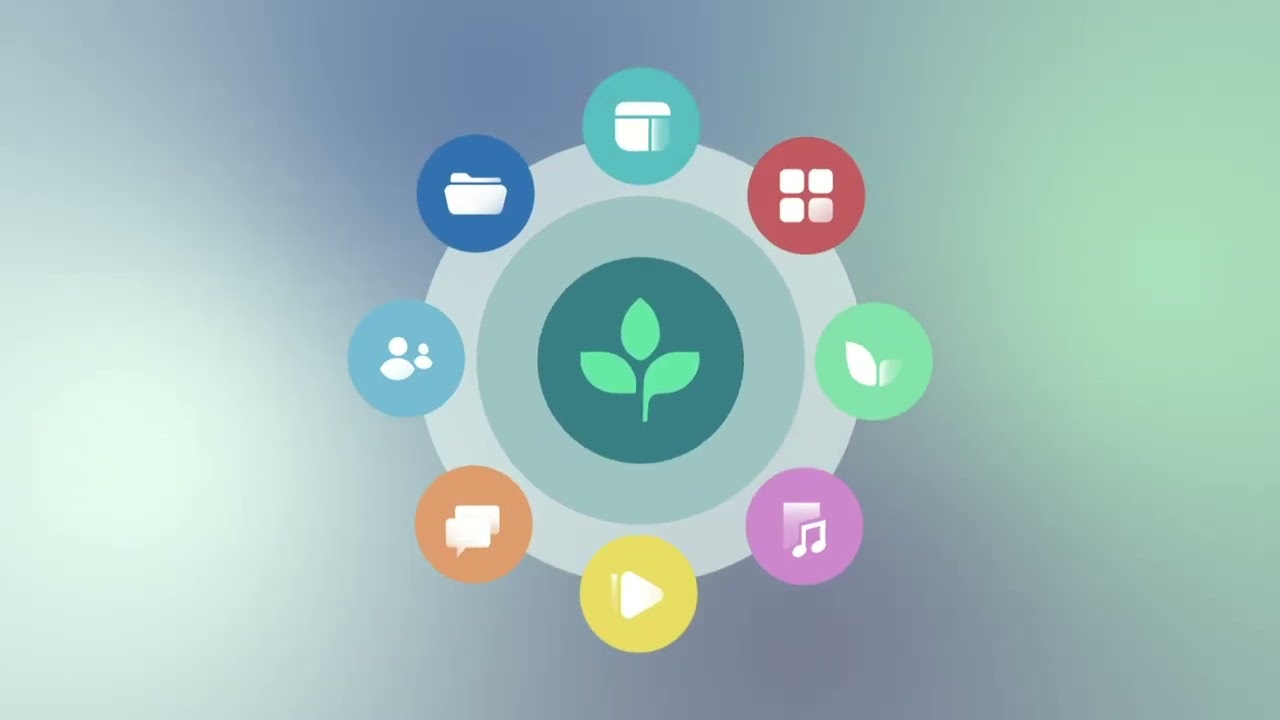
Integrated church tools like Tithely All Access help leaders connect giving, communication, groups, and follow-up in one place.
A helpful illustration comes from two stories in Genesis:
- Noah’s Ark — a technological achievement used to save humanity
- The Tower of Babel — a technological achievement used for pride and self-promotion
Both involved innovation. Only one aligned with God’s purposes.
Technology works the same way today.
Used wisely, it can strengthen relationships, deepen discipleship, and extend ministry reach.
Used poorly, it becomes noise and distraction.
The key question for church leaders isn’t “Should we use technology?”
It’s “Does this help people grow in Christ?”
Digital Ministry Should Enhance, Not Replace
One common fear is that digital ministry replaces in-person church.
But that’s not the goal.
A healthier approach is enhancement, not replacement.
Think about how technology improved the hotel industry.
Hotels still exist. People still travel and stay in rooms. But digital tools now enhance the experience:
- Mobile check-in
- Digital keys
- Messaging for room service
- App-based booking
The physical experience didn’t disappear.
It became more seamless.
Church ministry can follow a similar pattern.
Technology can support what already exists.
Examples include:
- Online giving that simplifies generosity
- Messaging groups that encourage volunteers
- Digital follow-ups for first-time guests
- Parent updates after children’s ministry lessons
These tools don’t replace church life.
They strengthen it.
Moving Beyond “Broadcast Church”
Many churches already use technology—but only in one direction.
They broadcast.
They stream services.
They post announcements.
They promote events online.
That’s a good starting point.
But discipleship requires more than broadcasting content.
Healthy digital ministry includes several layers:
Streaming
Sharing teaching and services online.
Strengthening
Small digital touchpoints like texts, Zoom calls, or online resources that help people grow during the week.
Social spaces
Private community groups where people talk, pray, and encourage each other.
Systems
Behind-the-scenes tools like church management software that ensure people are followed up with and cared for.
When these elements work together, technology becomes a discipleship engine—not just a promotion tool.
Many churches rely on a church management system to track follow-ups, groups, and volunteer engagement so that no one slips through the cracks.
Metrics That Actually Reflect Spiritual Growth
If the goal isn’t filling a room, what should churches measure?
Fruit.
That might look like:
- First-time guests returning
- People joining groups
- New volunteers serving
- Families discussing faith during the week
- People taking next steps toward Jesus
These indicators reflect spiritual movement.
They show that the church isn’t just gathering people.
It’s growing disciples.
Why Kingdom Impact Matters More Than Attendance
Every generation of church leaders faces the same question:
How do we help people follow Jesus in the world they actually live in?
Today’s world is deeply connected.
Digital communication is part of everyday life.
Rather than resisting that reality—or chasing every new trend—church leaders can steward these tools wisely.
Because the mission hasn’t changed.
The church isn’t called to fill rooms.
It’s called to cultivate disciples who live out their faith everywhere.
And when that happens, the kingdom grows far beyond the walls of any building.
Sign Up for Product Updates

Chris Dunagan is a marketing strategist focused on church tech and digital engagement. He helps churches grow through SEO, email campaigns, and tools like Tithely and Breeze ChMS, with an emphasis on online giving, content strategy, and digital outreach.
Church leaders often feel a subtle pressure every week.
How many people showed up?
Were the seats full?
Did attendance go up or down?
Those questions aren’t wrong. But they can quietly push ministry in the wrong direction.
The real goal of the church has never been filling a room.
The goal is producing fruit.
In a recent workshop conversation with digital ministry leader Jay Kranda, this idea surfaced in a powerful way: the job of church leadership isn’t simply gathering people in one place—it’s helping people follow Jesus in every place.
Pasted text
Let’s explore what that means for churches today.
The Attendance Trap
For generations, church success was easy to measure.
Count the people in the room.
Sunday attendance became the default scoreboard for ministry effectiveness. But that metric only tells a small part of the story.
A full room doesn’t necessarily mean spiritual growth.
And a smaller gathering doesn’t mean the church isn’t making an impact.
The mission of the church has always been deeper than attendance numbers. The real calling is helping people:
- Know Jesus
- Grow spiritually
- Live out their faith in everyday life
That transformation happens far beyond a one-hour service.
As Jay explains, the goal isn’t simply gathering people to listen to teaching. The goal is helping them live differently throughout the week—in their workplaces, families, and communities.
Pasted text
In other words, discipleship isn’t measured in seats filled.
It’s measured in lives changed.
The Church Was Never Just a Building
It’s easy to associate church with a physical space.
A building.
A sanctuary.
A Sunday gathering.
But historically, the church thrived long before modern buildings existed.
The early church spread through homes, relationships, and decentralized communities. Faith multiplied because believers carried the message into everyday life.
In many ways, the modern church can rediscover that model today.
Digital tools, communication platforms, and connected communities allow discipleship to extend beyond Sunday services.
The building still matters.
Gathering still matters.
But the mission doesn’t stop when people leave the room.
Technology Is a Tool—Not the Goal
Whenever churches talk about digital ministry, reactions tend to fall into two extremes.
Some leaders resist technology entirely.
Others chase every new platform or tool that appears.
Neither approach leads to healthy ministry.
Technology itself is neutral. The real question is how it’s used.
Integrated church tools like Tithely All Access help leaders connect giving, communication, groups, and follow-up in one place.
A helpful illustration comes from two stories in Genesis:
- Noah’s Ark — a technological achievement used to save humanity
- The Tower of Babel — a technological achievement used for pride and self-promotion
Both involved innovation. Only one aligned with God’s purposes.
Technology works the same way today.
Used wisely, it can strengthen relationships, deepen discipleship, and extend ministry reach.
Used poorly, it becomes noise and distraction.
The key question for church leaders isn’t “Should we use technology?”
It’s “Does this help people grow in Christ?”
Digital Ministry Should Enhance, Not Replace
One common fear is that digital ministry replaces in-person church.
But that’s not the goal.
A healthier approach is enhancement, not replacement.
Think about how technology improved the hotel industry.
Hotels still exist. People still travel and stay in rooms. But digital tools now enhance the experience:
- Mobile check-in
- Digital keys
- Messaging for room service
- App-based booking
The physical experience didn’t disappear.
It became more seamless.
Church ministry can follow a similar pattern.
Technology can support what already exists.
Examples include:
- Online giving that simplifies generosity
- Messaging groups that encourage volunteers
- Digital follow-ups for first-time guests
- Parent updates after children’s ministry lessons
These tools don’t replace church life.
They strengthen it.
Moving Beyond “Broadcast Church”
Many churches already use technology—but only in one direction.
They broadcast.
They stream services.
They post announcements.
They promote events online.
That’s a good starting point.
But discipleship requires more than broadcasting content.
Healthy digital ministry includes several layers:
Streaming
Sharing teaching and services online.
Strengthening
Small digital touchpoints like texts, Zoom calls, or online resources that help people grow during the week.
Social spaces
Private community groups where people talk, pray, and encourage each other.
Systems
Behind-the-scenes tools like church management software that ensure people are followed up with and cared for.
When these elements work together, technology becomes a discipleship engine—not just a promotion tool.
Many churches rely on a church management system to track follow-ups, groups, and volunteer engagement so that no one slips through the cracks.
Metrics That Actually Reflect Spiritual Growth
If the goal isn’t filling a room, what should churches measure?
Fruit.
That might look like:
- First-time guests returning
- People joining groups
- New volunteers serving
- Families discussing faith during the week
- People taking next steps toward Jesus
These indicators reflect spiritual movement.
They show that the church isn’t just gathering people.
It’s growing disciples.
Why Kingdom Impact Matters More Than Attendance
Every generation of church leaders faces the same question:
How do we help people follow Jesus in the world they actually live in?
Today’s world is deeply connected.
Digital communication is part of everyday life.
Rather than resisting that reality—or chasing every new trend—church leaders can steward these tools wisely.
Because the mission hasn’t changed.
The church isn’t called to fill rooms.
It’s called to cultivate disciples who live out their faith everywhere.
And when that happens, the kingdom grows far beyond the walls of any building.
podcast transcript
Chris Dunagan is a marketing strategist focused on church tech and digital engagement. He helps churches grow through SEO, email campaigns, and tools like Tithely and Breeze ChMS, with an emphasis on online giving, content strategy, and digital outreach.
Church leaders often feel a subtle pressure every week.
How many people showed up?
Were the seats full?
Did attendance go up or down?
Those questions aren’t wrong. But they can quietly push ministry in the wrong direction.
The real goal of the church has never been filling a room.
The goal is producing fruit.
In a recent workshop conversation with digital ministry leader Jay Kranda, this idea surfaced in a powerful way: the job of church leadership isn’t simply gathering people in one place—it’s helping people follow Jesus in every place.
Pasted text
Let’s explore what that means for churches today.
The Attendance Trap
For generations, church success was easy to measure.
Count the people in the room.
Sunday attendance became the default scoreboard for ministry effectiveness. But that metric only tells a small part of the story.
A full room doesn’t necessarily mean spiritual growth.
And a smaller gathering doesn’t mean the church isn’t making an impact.
The mission of the church has always been deeper than attendance numbers. The real calling is helping people:
- Know Jesus
- Grow spiritually
- Live out their faith in everyday life
That transformation happens far beyond a one-hour service.
As Jay explains, the goal isn’t simply gathering people to listen to teaching. The goal is helping them live differently throughout the week—in their workplaces, families, and communities.
Pasted text
In other words, discipleship isn’t measured in seats filled.
It’s measured in lives changed.
The Church Was Never Just a Building
It’s easy to associate church with a physical space.
A building.
A sanctuary.
A Sunday gathering.
But historically, the church thrived long before modern buildings existed.
The early church spread through homes, relationships, and decentralized communities. Faith multiplied because believers carried the message into everyday life.
In many ways, the modern church can rediscover that model today.
Digital tools, communication platforms, and connected communities allow discipleship to extend beyond Sunday services.
The building still matters.
Gathering still matters.
But the mission doesn’t stop when people leave the room.
Technology Is a Tool—Not the Goal
Whenever churches talk about digital ministry, reactions tend to fall into two extremes.
Some leaders resist technology entirely.
Others chase every new platform or tool that appears.
Neither approach leads to healthy ministry.
Technology itself is neutral. The real question is how it’s used.
Integrated church tools like Tithely All Access help leaders connect giving, communication, groups, and follow-up in one place.
A helpful illustration comes from two stories in Genesis:
- Noah’s Ark — a technological achievement used to save humanity
- The Tower of Babel — a technological achievement used for pride and self-promotion
Both involved innovation. Only one aligned with God’s purposes.
Technology works the same way today.
Used wisely, it can strengthen relationships, deepen discipleship, and extend ministry reach.
Used poorly, it becomes noise and distraction.
The key question for church leaders isn’t “Should we use technology?”
It’s “Does this help people grow in Christ?”
Digital Ministry Should Enhance, Not Replace
One common fear is that digital ministry replaces in-person church.
But that’s not the goal.
A healthier approach is enhancement, not replacement.
Think about how technology improved the hotel industry.
Hotels still exist. People still travel and stay in rooms. But digital tools now enhance the experience:
- Mobile check-in
- Digital keys
- Messaging for room service
- App-based booking
The physical experience didn’t disappear.
It became more seamless.
Church ministry can follow a similar pattern.
Technology can support what already exists.
Examples include:
- Online giving that simplifies generosity
- Messaging groups that encourage volunteers
- Digital follow-ups for first-time guests
- Parent updates after children’s ministry lessons
These tools don’t replace church life.
They strengthen it.
Moving Beyond “Broadcast Church”
Many churches already use technology—but only in one direction.
They broadcast.
They stream services.
They post announcements.
They promote events online.
That’s a good starting point.
But discipleship requires more than broadcasting content.
Healthy digital ministry includes several layers:
Streaming
Sharing teaching and services online.
Strengthening
Small digital touchpoints like texts, Zoom calls, or online resources that help people grow during the week.
Social spaces
Private community groups where people talk, pray, and encourage each other.
Systems
Behind-the-scenes tools like church management software that ensure people are followed up with and cared for.
When these elements work together, technology becomes a discipleship engine—not just a promotion tool.
Many churches rely on a church management system to track follow-ups, groups, and volunteer engagement so that no one slips through the cracks.
Metrics That Actually Reflect Spiritual Growth
If the goal isn’t filling a room, what should churches measure?
Fruit.
That might look like:
- First-time guests returning
- People joining groups
- New volunteers serving
- Families discussing faith during the week
- People taking next steps toward Jesus
These indicators reflect spiritual movement.
They show that the church isn’t just gathering people.
It’s growing disciples.
Why Kingdom Impact Matters More Than Attendance
Every generation of church leaders faces the same question:
How do we help people follow Jesus in the world they actually live in?
Today’s world is deeply connected.
Digital communication is part of everyday life.
Rather than resisting that reality—or chasing every new trend—church leaders can steward these tools wisely.
Because the mission hasn’t changed.
The church isn’t called to fill rooms.
It’s called to cultivate disciples who live out their faith everywhere.
And when that happens, the kingdom grows far beyond the walls of any building.
VIDEO transcript
Church leaders often feel a subtle pressure every week.
How many people showed up?
Were the seats full?
Did attendance go up or down?
Those questions aren’t wrong. But they can quietly push ministry in the wrong direction.
The real goal of the church has never been filling a room.
The goal is producing fruit.
In a recent workshop conversation with digital ministry leader Jay Kranda, this idea surfaced in a powerful way: the job of church leadership isn’t simply gathering people in one place—it’s helping people follow Jesus in every place.
Pasted text
Let’s explore what that means for churches today.
The Attendance Trap
For generations, church success was easy to measure.
Count the people in the room.
Sunday attendance became the default scoreboard for ministry effectiveness. But that metric only tells a small part of the story.
A full room doesn’t necessarily mean spiritual growth.
And a smaller gathering doesn’t mean the church isn’t making an impact.
The mission of the church has always been deeper than attendance numbers. The real calling is helping people:
- Know Jesus
- Grow spiritually
- Live out their faith in everyday life
That transformation happens far beyond a one-hour service.
As Jay explains, the goal isn’t simply gathering people to listen to teaching. The goal is helping them live differently throughout the week—in their workplaces, families, and communities.
Pasted text
In other words, discipleship isn’t measured in seats filled.
It’s measured in lives changed.
The Church Was Never Just a Building
It’s easy to associate church with a physical space.
A building.
A sanctuary.
A Sunday gathering.
But historically, the church thrived long before modern buildings existed.
The early church spread through homes, relationships, and decentralized communities. Faith multiplied because believers carried the message into everyday life.
In many ways, the modern church can rediscover that model today.
Digital tools, communication platforms, and connected communities allow discipleship to extend beyond Sunday services.
The building still matters.
Gathering still matters.
But the mission doesn’t stop when people leave the room.
Technology Is a Tool—Not the Goal
Whenever churches talk about digital ministry, reactions tend to fall into two extremes.
Some leaders resist technology entirely.
Others chase every new platform or tool that appears.
Neither approach leads to healthy ministry.
Technology itself is neutral. The real question is how it’s used.
Integrated church tools like Tithely All Access help leaders connect giving, communication, groups, and follow-up in one place.
A helpful illustration comes from two stories in Genesis:
- Noah’s Ark — a technological achievement used to save humanity
- The Tower of Babel — a technological achievement used for pride and self-promotion
Both involved innovation. Only one aligned with God’s purposes.
Technology works the same way today.
Used wisely, it can strengthen relationships, deepen discipleship, and extend ministry reach.
Used poorly, it becomes noise and distraction.
The key question for church leaders isn’t “Should we use technology?”
It’s “Does this help people grow in Christ?”
Digital Ministry Should Enhance, Not Replace
One common fear is that digital ministry replaces in-person church.
But that’s not the goal.
A healthier approach is enhancement, not replacement.
Think about how technology improved the hotel industry.
Hotels still exist. People still travel and stay in rooms. But digital tools now enhance the experience:
- Mobile check-in
- Digital keys
- Messaging for room service
- App-based booking
The physical experience didn’t disappear.
It became more seamless.
Church ministry can follow a similar pattern.
Technology can support what already exists.
Examples include:
- Online giving that simplifies generosity
- Messaging groups that encourage volunteers
- Digital follow-ups for first-time guests
- Parent updates after children’s ministry lessons
These tools don’t replace church life.
They strengthen it.
Moving Beyond “Broadcast Church”
Many churches already use technology—but only in one direction.
They broadcast.
They stream services.
They post announcements.
They promote events online.
That’s a good starting point.
But discipleship requires more than broadcasting content.
Healthy digital ministry includes several layers:
Streaming
Sharing teaching and services online.
Strengthening
Small digital touchpoints like texts, Zoom calls, or online resources that help people grow during the week.
Social spaces
Private community groups where people talk, pray, and encourage each other.
Systems
Behind-the-scenes tools like church management software that ensure people are followed up with and cared for.
When these elements work together, technology becomes a discipleship engine—not just a promotion tool.
Many churches rely on a church management system to track follow-ups, groups, and volunteer engagement so that no one slips through the cracks.
Metrics That Actually Reflect Spiritual Growth
If the goal isn’t filling a room, what should churches measure?
Fruit.
That might look like:
- First-time guests returning
- People joining groups
- New volunteers serving
- Families discussing faith during the week
- People taking next steps toward Jesus
These indicators reflect spiritual movement.
They show that the church isn’t just gathering people.
It’s growing disciples.
Why Kingdom Impact Matters More Than Attendance
Every generation of church leaders faces the same question:
How do we help people follow Jesus in the world they actually live in?
Today’s world is deeply connected.
Digital communication is part of everyday life.
Rather than resisting that reality—or chasing every new trend—church leaders can steward these tools wisely.
Because the mission hasn’t changed.
The church isn’t called to fill rooms.
It’s called to cultivate disciples who live out their faith everywhere.
And when that happens, the kingdom grows far beyond the walls of any building.
Sign Up for Product Updates
Chris Dunagan is a marketing strategist focused on church tech and digital engagement. He helps churches grow through SEO, email campaigns, and tools like Tithely and Breeze ChMS, with an emphasis on online giving, content strategy, and digital outreach.

You Might Also Like
More Resources

From increasing giving, managing your congregation, and engaging your church, our collection of resources will keep you up-to-date on the latest church and ministry trends.
Free Resources