Essential Tips for Training Church and Ministry Volunteers
A tiered training system can help churches develop and retain volunteers by providing structured growth opportunities.




Most of us don’t feel terribly confident about our church’s volunteer training methods. I think this is because most of us have been following a system of volunteer training that doesn’t really work.
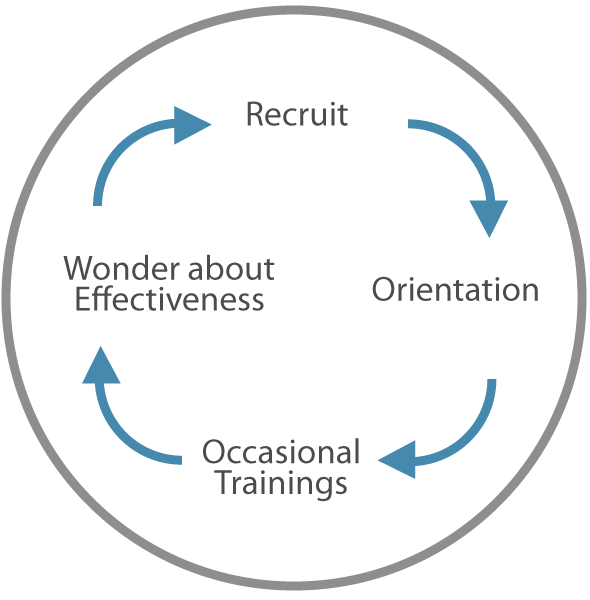
Here’s a snapshot:
- Recruit volunteers
- Provide some sort of orientation for volunteers
- Once a month or a couple of times a year, hold a volunteer training meeting
- Wonder if what we’re doing is effective
- Repeat
Based on what I’ve seen and experienced, there’s a much more effective way to train volunteers. But it really doesn’t have that much to do with training. It has a lot more to do with what volunteers actually need.
How to Recruit Volunteers: First Steps
A great training system needs new recruits to thrive. While church volunteer recruitment can feel challenging, making the process approachable and engaging will help you attract a steady stream of new volunteers.
- Spread the Word: Communicate what you need on all of your relevant platforms, highlighting the impact new volunteers have. Make sure everyone knows how much volunteers are needed and appreciated.
- Add a Personal Touch: A personal invitation is often all it takes for effective volunteer recruitment. Encourage current volunteers to invite others and share their positive experiences.
- Host Fun Events: Hosting a volunteer social event is a great way to showcase volunteer opportunities and what your church is all about in a relaxed, no-pressure setting.
- Go Digital: Signing up as a volunteer shouldn’t be a barrier for people. Look for ways to make it easy to sign up online and in person.
How to Train Volunteers: 3 Key Takeaways
Volunteers Need Relationships, Not Just Training Meetings
In my opinion, the most effective training strategy for volunteers is centered on building relationships. I firmly believe that volunteers need relationships more than just a training meeting, because relationships build trust.
No volunteer is going to cry out for help at a leader’s meeting. They’re much more likely to open up about feeling like a failure as a small group leader over coffee with a person they believe likes and cares about them.
Secondly, relationships are better than a training meeting because relationships promote honest feedback. Again, a frustrated volunteer is unlikely to speak up about their frustrations with the disorganized worship practice at a training meeting. But at lunch, with a person who has intentionally built a relationship with them over the last three months, the chances are much higher.
Third, relationships are more effective than a training meeting because they lead to higher volunteer retention. One of the key drivers of volunteer longevity is the quality of relationships. People like to serve with people they know and like. Because of this, a training strategy built around relationships is also an effective strategy for volunteer retention.
Here’s my point: Instead of relying on a few training meetings throughout the year, establish a volunteer care structure that focuses on mentoring relationships. The payoff will be tremendous.
Volunteers Need Coaches, Not Teachers
The second strategy for a more effective method of training volunteers comes directly from a breakout I led at the Orange Conference called “How to Coach the Best out of Your Volunteers.” Here’s the idea: Volunteers need coaches, not teachers.
In this training meeting strategy, church staff function as teachers for volunteers. Teachers help people understand. But what’s really needed is not understanding. We want our volunteers to win. Coaches help people win. Teachers tell. Coaches demonstrate.
In other words, volunteers need coaches within the ministry they are serving. They need people they can watch and learn from.
Here’s my point: Volunteers don’t need people to tell them what to do; they need coaches who will show them how to serve. They need mentors they can watch and ask questions of. What if your volunteer structure involved apprenticeships so that our veteran volunteers could show your rookies the ropes?
Volunteers Need to Know When They Need to Know
The last thing volunteers need is to know what they need to know, when they need to know it. Confused? Let me explain.
When our volunteer training is bi-annual or even monthly, we give them the firehose treatment. We blast them with a million ideas, practices, and policies, and expect them to remember it all. And, of course, they can’t.
In addition, when we rely on infrequent training, we miss opportunities to speak into weekly opportunities or situations as they arise.
What if we started to give volunteers what they need when they need it? What if we broke our training up into weekly chunks that are targeted toward what our volunteers are going through or need that week? Here are some ways we do this in our church:
- Weekly Blog: We create a weekly blog for our student ministry and children’s ministry volunteers, giving them all the info they need for that week.
- Weekly Meetings: Our children’s ministry volunteers gather for 15 minutes before serving, and our student ministry volunteers gather for an hour before serving, to connect, get updates, and receive training.
- Weekly Check-ins: We check in with each volunteer via weekly text to ensure they have what they need.
Do you have a way of delivering your training content to volunteers when they need it? Could you use a blog, videos, or a short volunteer gathering before or after they serve? Who could you empower to check in with volunteers every week?
How to Keep Volunteers: Strategies for Volunteer Retention
Volunteer retention is just as important as volunteer recruitment and training. Keeping volunteers engaged over the long term requires ongoing effort and attention. The key is to make them feel valued and offer opportunities that keep them motivated.
- Show Some Love: Recognize efforts with thank-you notes, shout-outs during services, or volunteer appreciation events. Recognition can be as simple as a verbal acknowledgment or as elaborate as an annual volunteer banquet.
- Be There for Them: As we mentioned earlier, it’s crucial to build relationships with volunteers. Offer ongoing support through regular check-ins, additional training, or just a listening ear. Let volunteers know they’re not alone.
- Keep Things Fresh: Offer opportunities for growth and take on new challenges. Rotate roles, introduce new projects, or offer leadership opportunities to keep them engaged.
- Ask for Feedback: Make it a habit to check in with your volunteers and ask how things are going. Then, use their input to make improvements.
- Build Community: Another great way to retain volunteers is to create a sense of community among them. This can be accomplished by hosting social events or small group meetings to help volunteers build relationships. When volunteers feel connected to each other, they’re more likely to stay committed.
Elevate Your Church Volunteer Programs with Tithely
Building a tiered training system is one of the best investments you can make in your church volunteer program. Your volunteers will be better equipped to serve, and they’ll also feel more connected to your church community! Learn more about how Tithely can support your church’s volunteer program today!
Sign Up for Product Updates

Susanna is a theological content writer with a Master of Arts in Intercultural Studies from Fuller Theological Seminary. She is passionate about ministry, running, and exploring new cultures through international travel. In her free time, you’ll find her surfing, obsessing over the Olympics, or enjoying the San Diego sunshine!
Most of us don’t feel terribly confident about our church’s volunteer training methods. I think this is because most of us have been following a system of volunteer training that doesn’t really work.
Here’s a snapshot:
- Recruit volunteers
- Provide some sort of orientation for volunteers
- Once a month or a couple of times a year, hold a volunteer training meeting
- Wonder if what we’re doing is effective
- Repeat
Based on what I’ve seen and experienced, there’s a much more effective way to train volunteers. But it really doesn’t have that much to do with training. It has a lot more to do with what volunteers actually need.
How to Recruit Volunteers: First Steps
A great training system needs new recruits to thrive. While church volunteer recruitment can feel challenging, making the process approachable and engaging will help you attract a steady stream of new volunteers.
- Spread the Word: Communicate what you need on all of your relevant platforms, highlighting the impact new volunteers have. Make sure everyone knows how much volunteers are needed and appreciated.
- Add a Personal Touch: A personal invitation is often all it takes for effective volunteer recruitment. Encourage current volunteers to invite others and share their positive experiences.
- Host Fun Events: Hosting a volunteer social event is a great way to showcase volunteer opportunities and what your church is all about in a relaxed, no-pressure setting.
- Go Digital: Signing up as a volunteer shouldn’t be a barrier for people. Look for ways to make it easy to sign up online and in person.
How to Train Volunteers: 3 Key Takeaways
Volunteers Need Relationships, Not Just Training Meetings
In my opinion, the most effective training strategy for volunteers is centered on building relationships. I firmly believe that volunteers need relationships more than just a training meeting, because relationships build trust.
No volunteer is going to cry out for help at a leader’s meeting. They’re much more likely to open up about feeling like a failure as a small group leader over coffee with a person they believe likes and cares about them.
Secondly, relationships are better than a training meeting because relationships promote honest feedback. Again, a frustrated volunteer is unlikely to speak up about their frustrations with the disorganized worship practice at a training meeting. But at lunch, with a person who has intentionally built a relationship with them over the last three months, the chances are much higher.
Third, relationships are more effective than a training meeting because they lead to higher volunteer retention. One of the key drivers of volunteer longevity is the quality of relationships. People like to serve with people they know and like. Because of this, a training strategy built around relationships is also an effective strategy for volunteer retention.
Here’s my point: Instead of relying on a few training meetings throughout the year, establish a volunteer care structure that focuses on mentoring relationships. The payoff will be tremendous.
Volunteers Need Coaches, Not Teachers
The second strategy for a more effective method of training volunteers comes directly from a breakout I led at the Orange Conference called “How to Coach the Best out of Your Volunteers.” Here’s the idea: Volunteers need coaches, not teachers.
In this training meeting strategy, church staff function as teachers for volunteers. Teachers help people understand. But what’s really needed is not understanding. We want our volunteers to win. Coaches help people win. Teachers tell. Coaches demonstrate.
In other words, volunteers need coaches within the ministry they are serving. They need people they can watch and learn from.
Here’s my point: Volunteers don’t need people to tell them what to do; they need coaches who will show them how to serve. They need mentors they can watch and ask questions of. What if your volunteer structure involved apprenticeships so that our veteran volunteers could show your rookies the ropes?
Volunteers Need to Know When They Need to Know
The last thing volunteers need is to know what they need to know, when they need to know it. Confused? Let me explain.
When our volunteer training is bi-annual or even monthly, we give them the firehose treatment. We blast them with a million ideas, practices, and policies, and expect them to remember it all. And, of course, they can’t.
In addition, when we rely on infrequent training, we miss opportunities to speak into weekly opportunities or situations as they arise.
What if we started to give volunteers what they need when they need it? What if we broke our training up into weekly chunks that are targeted toward what our volunteers are going through or need that week? Here are some ways we do this in our church:
- Weekly Blog: We create a weekly blog for our student ministry and children’s ministry volunteers, giving them all the info they need for that week.
- Weekly Meetings: Our children’s ministry volunteers gather for 15 minutes before serving, and our student ministry volunteers gather for an hour before serving, to connect, get updates, and receive training.
- Weekly Check-ins: We check in with each volunteer via weekly text to ensure they have what they need.
Do you have a way of delivering your training content to volunteers when they need it? Could you use a blog, videos, or a short volunteer gathering before or after they serve? Who could you empower to check in with volunteers every week?
How to Keep Volunteers: Strategies for Volunteer Retention
Volunteer retention is just as important as volunteer recruitment and training. Keeping volunteers engaged over the long term requires ongoing effort and attention. The key is to make them feel valued and offer opportunities that keep them motivated.
- Show Some Love: Recognize efforts with thank-you notes, shout-outs during services, or volunteer appreciation events. Recognition can be as simple as a verbal acknowledgment or as elaborate as an annual volunteer banquet.
- Be There for Them: As we mentioned earlier, it’s crucial to build relationships with volunteers. Offer ongoing support through regular check-ins, additional training, or just a listening ear. Let volunteers know they’re not alone.
- Keep Things Fresh: Offer opportunities for growth and take on new challenges. Rotate roles, introduce new projects, or offer leadership opportunities to keep them engaged.
- Ask for Feedback: Make it a habit to check in with your volunteers and ask how things are going. Then, use their input to make improvements.
- Build Community: Another great way to retain volunteers is to create a sense of community among them. This can be accomplished by hosting social events or small group meetings to help volunteers build relationships. When volunteers feel connected to each other, they’re more likely to stay committed.
Elevate Your Church Volunteer Programs with Tithely
Building a tiered training system is one of the best investments you can make in your church volunteer program. Your volunteers will be better equipped to serve, and they’ll also feel more connected to your church community! Learn more about how Tithely can support your church’s volunteer program today!
podcast transcript
Susanna is a theological content writer with a Master of Arts in Intercultural Studies from Fuller Theological Seminary. She is passionate about ministry, running, and exploring new cultures through international travel. In her free time, you’ll find her surfing, obsessing over the Olympics, or enjoying the San Diego sunshine!
Most of us don’t feel terribly confident about our church’s volunteer training methods. I think this is because most of us have been following a system of volunteer training that doesn’t really work.
Here’s a snapshot:
- Recruit volunteers
- Provide some sort of orientation for volunteers
- Once a month or a couple of times a year, hold a volunteer training meeting
- Wonder if what we’re doing is effective
- Repeat
Based on what I’ve seen and experienced, there’s a much more effective way to train volunteers. But it really doesn’t have that much to do with training. It has a lot more to do with what volunteers actually need.
How to Recruit Volunteers: First Steps
A great training system needs new recruits to thrive. While church volunteer recruitment can feel challenging, making the process approachable and engaging will help you attract a steady stream of new volunteers.
- Spread the Word: Communicate what you need on all of your relevant platforms, highlighting the impact new volunteers have. Make sure everyone knows how much volunteers are needed and appreciated.
- Add a Personal Touch: A personal invitation is often all it takes for effective volunteer recruitment. Encourage current volunteers to invite others and share their positive experiences.
- Host Fun Events: Hosting a volunteer social event is a great way to showcase volunteer opportunities and what your church is all about in a relaxed, no-pressure setting.
- Go Digital: Signing up as a volunteer shouldn’t be a barrier for people. Look for ways to make it easy to sign up online and in person.
How to Train Volunteers: 3 Key Takeaways
Volunteers Need Relationships, Not Just Training Meetings
In my opinion, the most effective training strategy for volunteers is centered on building relationships. I firmly believe that volunteers need relationships more than just a training meeting, because relationships build trust.
No volunteer is going to cry out for help at a leader’s meeting. They’re much more likely to open up about feeling like a failure as a small group leader over coffee with a person they believe likes and cares about them.
Secondly, relationships are better than a training meeting because relationships promote honest feedback. Again, a frustrated volunteer is unlikely to speak up about their frustrations with the disorganized worship practice at a training meeting. But at lunch, with a person who has intentionally built a relationship with them over the last three months, the chances are much higher.
Third, relationships are more effective than a training meeting because they lead to higher volunteer retention. One of the key drivers of volunteer longevity is the quality of relationships. People like to serve with people they know and like. Because of this, a training strategy built around relationships is also an effective strategy for volunteer retention.
Here’s my point: Instead of relying on a few training meetings throughout the year, establish a volunteer care structure that focuses on mentoring relationships. The payoff will be tremendous.
Volunteers Need Coaches, Not Teachers
The second strategy for a more effective method of training volunteers comes directly from a breakout I led at the Orange Conference called “How to Coach the Best out of Your Volunteers.” Here’s the idea: Volunteers need coaches, not teachers.
In this training meeting strategy, church staff function as teachers for volunteers. Teachers help people understand. But what’s really needed is not understanding. We want our volunteers to win. Coaches help people win. Teachers tell. Coaches demonstrate.
In other words, volunteers need coaches within the ministry they are serving. They need people they can watch and learn from.
Here’s my point: Volunteers don’t need people to tell them what to do; they need coaches who will show them how to serve. They need mentors they can watch and ask questions of. What if your volunteer structure involved apprenticeships so that our veteran volunteers could show your rookies the ropes?
Volunteers Need to Know When They Need to Know
The last thing volunteers need is to know what they need to know, when they need to know it. Confused? Let me explain.
When our volunteer training is bi-annual or even monthly, we give them the firehose treatment. We blast them with a million ideas, practices, and policies, and expect them to remember it all. And, of course, they can’t.
In addition, when we rely on infrequent training, we miss opportunities to speak into weekly opportunities or situations as they arise.
What if we started to give volunteers what they need when they need it? What if we broke our training up into weekly chunks that are targeted toward what our volunteers are going through or need that week? Here are some ways we do this in our church:
- Weekly Blog: We create a weekly blog for our student ministry and children’s ministry volunteers, giving them all the info they need for that week.
- Weekly Meetings: Our children’s ministry volunteers gather for 15 minutes before serving, and our student ministry volunteers gather for an hour before serving, to connect, get updates, and receive training.
- Weekly Check-ins: We check in with each volunteer via weekly text to ensure they have what they need.
Do you have a way of delivering your training content to volunteers when they need it? Could you use a blog, videos, or a short volunteer gathering before or after they serve? Who could you empower to check in with volunteers every week?
How to Keep Volunteers: Strategies for Volunteer Retention
Volunteer retention is just as important as volunteer recruitment and training. Keeping volunteers engaged over the long term requires ongoing effort and attention. The key is to make them feel valued and offer opportunities that keep them motivated.
- Show Some Love: Recognize efforts with thank-you notes, shout-outs during services, or volunteer appreciation events. Recognition can be as simple as a verbal acknowledgment or as elaborate as an annual volunteer banquet.
- Be There for Them: As we mentioned earlier, it’s crucial to build relationships with volunteers. Offer ongoing support through regular check-ins, additional training, or just a listening ear. Let volunteers know they’re not alone.
- Keep Things Fresh: Offer opportunities for growth and take on new challenges. Rotate roles, introduce new projects, or offer leadership opportunities to keep them engaged.
- Ask for Feedback: Make it a habit to check in with your volunteers and ask how things are going. Then, use their input to make improvements.
- Build Community: Another great way to retain volunteers is to create a sense of community among them. This can be accomplished by hosting social events or small group meetings to help volunteers build relationships. When volunteers feel connected to each other, they’re more likely to stay committed.
Elevate Your Church Volunteer Programs with Tithely
Building a tiered training system is one of the best investments you can make in your church volunteer program. Your volunteers will be better equipped to serve, and they’ll also feel more connected to your church community! Learn more about how Tithely can support your church’s volunteer program today!
VIDEO transcript
Most of us don’t feel terribly confident about our church’s volunteer training methods. I think this is because most of us have been following a system of volunteer training that doesn’t really work.
Here’s a snapshot:
- Recruit volunteers
- Provide some sort of orientation for volunteers
- Once a month or a couple of times a year, hold a volunteer training meeting
- Wonder if what we’re doing is effective
- Repeat
Based on what I’ve seen and experienced, there’s a much more effective way to train volunteers. But it really doesn’t have that much to do with training. It has a lot more to do with what volunteers actually need.
How to Recruit Volunteers: First Steps
A great training system needs new recruits to thrive. While church volunteer recruitment can feel challenging, making the process approachable and engaging will help you attract a steady stream of new volunteers.
- Spread the Word: Communicate what you need on all of your relevant platforms, highlighting the impact new volunteers have. Make sure everyone knows how much volunteers are needed and appreciated.
- Add a Personal Touch: A personal invitation is often all it takes for effective volunteer recruitment. Encourage current volunteers to invite others and share their positive experiences.
- Host Fun Events: Hosting a volunteer social event is a great way to showcase volunteer opportunities and what your church is all about in a relaxed, no-pressure setting.
- Go Digital: Signing up as a volunteer shouldn’t be a barrier for people. Look for ways to make it easy to sign up online and in person.
How to Train Volunteers: 3 Key Takeaways
Volunteers Need Relationships, Not Just Training Meetings
In my opinion, the most effective training strategy for volunteers is centered on building relationships. I firmly believe that volunteers need relationships more than just a training meeting, because relationships build trust.
No volunteer is going to cry out for help at a leader’s meeting. They’re much more likely to open up about feeling like a failure as a small group leader over coffee with a person they believe likes and cares about them.
Secondly, relationships are better than a training meeting because relationships promote honest feedback. Again, a frustrated volunteer is unlikely to speak up about their frustrations with the disorganized worship practice at a training meeting. But at lunch, with a person who has intentionally built a relationship with them over the last three months, the chances are much higher.
Third, relationships are more effective than a training meeting because they lead to higher volunteer retention. One of the key drivers of volunteer longevity is the quality of relationships. People like to serve with people they know and like. Because of this, a training strategy built around relationships is also an effective strategy for volunteer retention.
Here’s my point: Instead of relying on a few training meetings throughout the year, establish a volunteer care structure that focuses on mentoring relationships. The payoff will be tremendous.
Volunteers Need Coaches, Not Teachers
The second strategy for a more effective method of training volunteers comes directly from a breakout I led at the Orange Conference called “How to Coach the Best out of Your Volunteers.” Here’s the idea: Volunteers need coaches, not teachers.
In this training meeting strategy, church staff function as teachers for volunteers. Teachers help people understand. But what’s really needed is not understanding. We want our volunteers to win. Coaches help people win. Teachers tell. Coaches demonstrate.
In other words, volunteers need coaches within the ministry they are serving. They need people they can watch and learn from.
Here’s my point: Volunteers don’t need people to tell them what to do; they need coaches who will show them how to serve. They need mentors they can watch and ask questions of. What if your volunteer structure involved apprenticeships so that our veteran volunteers could show your rookies the ropes?
Volunteers Need to Know When They Need to Know
The last thing volunteers need is to know what they need to know, when they need to know it. Confused? Let me explain.
When our volunteer training is bi-annual or even monthly, we give them the firehose treatment. We blast them with a million ideas, practices, and policies, and expect them to remember it all. And, of course, they can’t.
In addition, when we rely on infrequent training, we miss opportunities to speak into weekly opportunities or situations as they arise.
What if we started to give volunteers what they need when they need it? What if we broke our training up into weekly chunks that are targeted toward what our volunteers are going through or need that week? Here are some ways we do this in our church:
- Weekly Blog: We create a weekly blog for our student ministry and children’s ministry volunteers, giving them all the info they need for that week.
- Weekly Meetings: Our children’s ministry volunteers gather for 15 minutes before serving, and our student ministry volunteers gather for an hour before serving, to connect, get updates, and receive training.
- Weekly Check-ins: We check in with each volunteer via weekly text to ensure they have what they need.
Do you have a way of delivering your training content to volunteers when they need it? Could you use a blog, videos, or a short volunteer gathering before or after they serve? Who could you empower to check in with volunteers every week?
How to Keep Volunteers: Strategies for Volunteer Retention
Volunteer retention is just as important as volunteer recruitment and training. Keeping volunteers engaged over the long term requires ongoing effort and attention. The key is to make them feel valued and offer opportunities that keep them motivated.
- Show Some Love: Recognize efforts with thank-you notes, shout-outs during services, or volunteer appreciation events. Recognition can be as simple as a verbal acknowledgment or as elaborate as an annual volunteer banquet.
- Be There for Them: As we mentioned earlier, it’s crucial to build relationships with volunteers. Offer ongoing support through regular check-ins, additional training, or just a listening ear. Let volunteers know they’re not alone.
- Keep Things Fresh: Offer opportunities for growth and take on new challenges. Rotate roles, introduce new projects, or offer leadership opportunities to keep them engaged.
- Ask for Feedback: Make it a habit to check in with your volunteers and ask how things are going. Then, use their input to make improvements.
- Build Community: Another great way to retain volunteers is to create a sense of community among them. This can be accomplished by hosting social events or small group meetings to help volunteers build relationships. When volunteers feel connected to each other, they’re more likely to stay committed.
Elevate Your Church Volunteer Programs with Tithely
Building a tiered training system is one of the best investments you can make in your church volunteer program. Your volunteers will be better equipped to serve, and they’ll also feel more connected to your church community! Learn more about how Tithely can support your church’s volunteer program today!
Sign Up for Product Updates
Susanna is a theological content writer with a Master of Arts in Intercultural Studies from Fuller Theological Seminary. She is passionate about ministry, running, and exploring new cultures through international travel. In her free time, you’ll find her surfing, obsessing over the Olympics, or enjoying the San Diego sunshine!

You Might Also Like
More Resources

From increasing giving, managing your congregation, and engaging your church, our collection of resources will keep you up-to-date on the latest church and ministry trends.
Free Resources





.jpg)