Six Seven or Sold Out: Jesus Calls Us To Choose
A goofy Gen Alpha meme about “six seven” is everywhere, but beneath the silliness is a chance to talk with our kids about clarity, conviction, and not living lukewarm.




What is the “six seven” trend?
If you’ve heard kids chirp “six seven” with a smirk and a quick hand gesture, you’ve met a Gen Alpha meme. It exploded on TikTok and at school lunch tables after the rap track “Doot Doot (6 7)” by Skrilla went viral. Highlights, sports edits, and even athletes helped push it into the mainstream. NBA player LaMelo Ball got looped in because he is 6 foot 7, so the number played as a running joke in NBA clips. The phrase then escaped the internet and landed in classrooms where students shout it whenever they see the numbers 6 or 7 on the board. Teachers are not thrilled.
Where did it come from, and does it “mean” anything?
Short answer, not really. The song repeats “six seven,” which teens repurposed as a nonsense punchline. The internet has floated theories, like a reference to 67th Street in the artist’s city or a shortened nod to police code 10-67, but even Skrilla has said he does not want to pin down a single meaning. That open-ended mystery is part of the fun. The result is a perfect modern litmus test. If you know when to say it, you’re in. If you don’t, you’re old.
How do teens actually use it?
Usage is intentionally sloppy. Someone might rate a snack “six seven,” shrug at a homework grade, or toss it out randomly to get a laugh. Some note kids also use it to mean “so-so,” which fits the vibe of playful noncommitment. Think of it as comedy by indecision. The point is not clarity, it is membership and mischief.
The spiritual opportunity: from “six seven” to solid ground
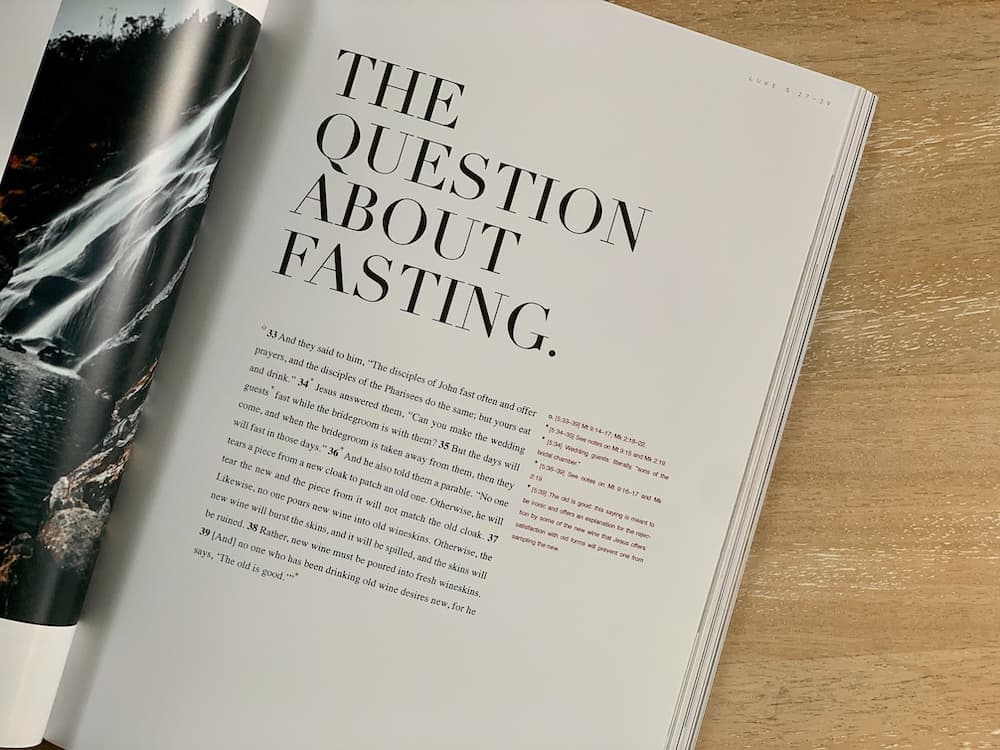
On its own, “six seven” is harmless fun. The bigger story is the posture it normalizes. Shrug. Smirk. Stay vague. Call everything “so-so.” That shrug can bleed into bigger arenas if we are not careful. Scripture calls that posture “lukewarm.” Jesus tells the church in Laodicea that he would rather we be hot or cold than tepid, and he warns against a faith that hedges and drifts. Revelation 3:15-16 is not a suggestion, it is a wake-up call. Our kids need to see and hear a better way.
The Bible consistently invites decisive allegiance. “Choose this day whom you will serve,” Joshua says to Israel. Elijah asks the crowd, “How long will you waver between two opinions?” Jesus says, “Let your ‘Yes’ be yes and your ‘No’ be no.” James warns that the double-minded person is unstable in all they do. In other words, discipleship is not “six seven.” It is surrender, repentance, obedience, and joy. The Bible gives us a simple map for a non-iffy life in a very iffy age.
How to talk about it with teens
- Start with curiosity. Ask what makes the meme funny. Let them teach you the gesture. You will earn the right to be heard. Mentions of the meme in news and pop culture prove you are paying attention, and that lowers defenses.
- Pivot to meaning. Ask, “Where in life are we tempted to treat serious things like a joke?” Talk about places where indecision feels safe, like posting vaguely about faith without living it, or avoiding clear stands at school to keep the peace.
- Contrast the shrug with Scripture. Read those short verses together. Help them see that clarity is not cruelty. A clear yes to Jesus produces clearer love for neighbors, not less.
- Practice decisive habits. Pick one small act this week that moves faith from vague to visible. Pray aloud before meals at school. Invite a friend to youth group. Apologize quickly when you sin. Serve without being asked. Those choices build a reflex of conviction.
- Have fun. It’s a meme. It’s harmless. Make your teenagers cringe when you yell out “six seven” if you see it somewhere.
For parents and pastors
This is a discipleship window, not a panic siren. The meme is a snapshot of a culture that often treats meaning as optional and commitment as uncool. Our response is not to scold, but to model joyful decisiveness. Talk often about why Jesus is worthy of a settled yes. Tell stories of Christians who chose truth with grace when it cost them. Build muscle memory in your ministries so conviction feels normal and natural rather than rare or reactive.
Have fun with the joke. Then show that following Jesus is louder and better than any punchline. In Christ, your life can be clear, courageous, and kind. Not “six seven,” but sold out.
Sign Up for Product Updates

Justin Dean is the Director of Marketing at Tithely. He served as Communications Director at Mars Hill Church in Seattle, then went on to found multiple church-focused ventures and conferences. Justin is the author of two books: PR Matters and Stay Salty. He lives in North Georgia with his wife and four kids.
What is the “six seven” trend?
If you’ve heard kids chirp “six seven” with a smirk and a quick hand gesture, you’ve met a Gen Alpha meme. It exploded on TikTok and at school lunch tables after the rap track “Doot Doot (6 7)” by Skrilla went viral. Highlights, sports edits, and even athletes helped push it into the mainstream. NBA player LaMelo Ball got looped in because he is 6 foot 7, so the number played as a running joke in NBA clips. The phrase then escaped the internet and landed in classrooms where students shout it whenever they see the numbers 6 or 7 on the board. Teachers are not thrilled.
Where did it come from, and does it “mean” anything?
Short answer, not really. The song repeats “six seven,” which teens repurposed as a nonsense punchline. The internet has floated theories, like a reference to 67th Street in the artist’s city or a shortened nod to police code 10-67, but even Skrilla has said he does not want to pin down a single meaning. That open-ended mystery is part of the fun. The result is a perfect modern litmus test. If you know when to say it, you’re in. If you don’t, you’re old.
How do teens actually use it?
Usage is intentionally sloppy. Someone might rate a snack “six seven,” shrug at a homework grade, or toss it out randomly to get a laugh. Some note kids also use it to mean “so-so,” which fits the vibe of playful noncommitment. Think of it as comedy by indecision. The point is not clarity, it is membership and mischief.
The spiritual opportunity: from “six seven” to solid ground
On its own, “six seven” is harmless fun. The bigger story is the posture it normalizes. Shrug. Smirk. Stay vague. Call everything “so-so.” That shrug can bleed into bigger arenas if we are not careful. Scripture calls that posture “lukewarm.” Jesus tells the church in Laodicea that he would rather we be hot or cold than tepid, and he warns against a faith that hedges and drifts. Revelation 3:15-16 is not a suggestion, it is a wake-up call. Our kids need to see and hear a better way.
The Bible consistently invites decisive allegiance. “Choose this day whom you will serve,” Joshua says to Israel. Elijah asks the crowd, “How long will you waver between two opinions?” Jesus says, “Let your ‘Yes’ be yes and your ‘No’ be no.” James warns that the double-minded person is unstable in all they do. In other words, discipleship is not “six seven.” It is surrender, repentance, obedience, and joy. The Bible gives us a simple map for a non-iffy life in a very iffy age.
How to talk about it with teens
- Start with curiosity. Ask what makes the meme funny. Let them teach you the gesture. You will earn the right to be heard. Mentions of the meme in news and pop culture prove you are paying attention, and that lowers defenses.
- Pivot to meaning. Ask, “Where in life are we tempted to treat serious things like a joke?” Talk about places where indecision feels safe, like posting vaguely about faith without living it, or avoiding clear stands at school to keep the peace.
- Contrast the shrug with Scripture. Read those short verses together. Help them see that clarity is not cruelty. A clear yes to Jesus produces clearer love for neighbors, not less.
- Practice decisive habits. Pick one small act this week that moves faith from vague to visible. Pray aloud before meals at school. Invite a friend to youth group. Apologize quickly when you sin. Serve without being asked. Those choices build a reflex of conviction.
- Have fun. It’s a meme. It’s harmless. Make your teenagers cringe when you yell out “six seven” if you see it somewhere.
For parents and pastors
This is a discipleship window, not a panic siren. The meme is a snapshot of a culture that often treats meaning as optional and commitment as uncool. Our response is not to scold, but to model joyful decisiveness. Talk often about why Jesus is worthy of a settled yes. Tell stories of Christians who chose truth with grace when it cost them. Build muscle memory in your ministries so conviction feels normal and natural rather than rare or reactive.
Have fun with the joke. Then show that following Jesus is louder and better than any punchline. In Christ, your life can be clear, courageous, and kind. Not “six seven,” but sold out.
podcast transcript
Justin Dean is the Director of Marketing at Tithely. He served as Communications Director at Mars Hill Church in Seattle, then went on to found multiple church-focused ventures and conferences. Justin is the author of two books: PR Matters and Stay Salty. He lives in North Georgia with his wife and four kids.
What is the “six seven” trend?
If you’ve heard kids chirp “six seven” with a smirk and a quick hand gesture, you’ve met a Gen Alpha meme. It exploded on TikTok and at school lunch tables after the rap track “Doot Doot (6 7)” by Skrilla went viral. Highlights, sports edits, and even athletes helped push it into the mainstream. NBA player LaMelo Ball got looped in because he is 6 foot 7, so the number played as a running joke in NBA clips. The phrase then escaped the internet and landed in classrooms where students shout it whenever they see the numbers 6 or 7 on the board. Teachers are not thrilled.
Where did it come from, and does it “mean” anything?
Short answer, not really. The song repeats “six seven,” which teens repurposed as a nonsense punchline. The internet has floated theories, like a reference to 67th Street in the artist’s city or a shortened nod to police code 10-67, but even Skrilla has said he does not want to pin down a single meaning. That open-ended mystery is part of the fun. The result is a perfect modern litmus test. If you know when to say it, you’re in. If you don’t, you’re old.
How do teens actually use it?
Usage is intentionally sloppy. Someone might rate a snack “six seven,” shrug at a homework grade, or toss it out randomly to get a laugh. Some note kids also use it to mean “so-so,” which fits the vibe of playful noncommitment. Think of it as comedy by indecision. The point is not clarity, it is membership and mischief.
The spiritual opportunity: from “six seven” to solid ground
On its own, “six seven” is harmless fun. The bigger story is the posture it normalizes. Shrug. Smirk. Stay vague. Call everything “so-so.” That shrug can bleed into bigger arenas if we are not careful. Scripture calls that posture “lukewarm.” Jesus tells the church in Laodicea that he would rather we be hot or cold than tepid, and he warns against a faith that hedges and drifts. Revelation 3:15-16 is not a suggestion, it is a wake-up call. Our kids need to see and hear a better way.
The Bible consistently invites decisive allegiance. “Choose this day whom you will serve,” Joshua says to Israel. Elijah asks the crowd, “How long will you waver between two opinions?” Jesus says, “Let your ‘Yes’ be yes and your ‘No’ be no.” James warns that the double-minded person is unstable in all they do. In other words, discipleship is not “six seven.” It is surrender, repentance, obedience, and joy. The Bible gives us a simple map for a non-iffy life in a very iffy age.
How to talk about it with teens
- Start with curiosity. Ask what makes the meme funny. Let them teach you the gesture. You will earn the right to be heard. Mentions of the meme in news and pop culture prove you are paying attention, and that lowers defenses.
- Pivot to meaning. Ask, “Where in life are we tempted to treat serious things like a joke?” Talk about places where indecision feels safe, like posting vaguely about faith without living it, or avoiding clear stands at school to keep the peace.
- Contrast the shrug with Scripture. Read those short verses together. Help them see that clarity is not cruelty. A clear yes to Jesus produces clearer love for neighbors, not less.
- Practice decisive habits. Pick one small act this week that moves faith from vague to visible. Pray aloud before meals at school. Invite a friend to youth group. Apologize quickly when you sin. Serve without being asked. Those choices build a reflex of conviction.
- Have fun. It’s a meme. It’s harmless. Make your teenagers cringe when you yell out “six seven” if you see it somewhere.
For parents and pastors
This is a discipleship window, not a panic siren. The meme is a snapshot of a culture that often treats meaning as optional and commitment as uncool. Our response is not to scold, but to model joyful decisiveness. Talk often about why Jesus is worthy of a settled yes. Tell stories of Christians who chose truth with grace when it cost them. Build muscle memory in your ministries so conviction feels normal and natural rather than rare or reactive.
Have fun with the joke. Then show that following Jesus is louder and better than any punchline. In Christ, your life can be clear, courageous, and kind. Not “six seven,” but sold out.
VIDEO transcript
What is the “six seven” trend?
If you’ve heard kids chirp “six seven” with a smirk and a quick hand gesture, you’ve met a Gen Alpha meme. It exploded on TikTok and at school lunch tables after the rap track “Doot Doot (6 7)” by Skrilla went viral. Highlights, sports edits, and even athletes helped push it into the mainstream. NBA player LaMelo Ball got looped in because he is 6 foot 7, so the number played as a running joke in NBA clips. The phrase then escaped the internet and landed in classrooms where students shout it whenever they see the numbers 6 or 7 on the board. Teachers are not thrilled.
Where did it come from, and does it “mean” anything?
Short answer, not really. The song repeats “six seven,” which teens repurposed as a nonsense punchline. The internet has floated theories, like a reference to 67th Street in the artist’s city or a shortened nod to police code 10-67, but even Skrilla has said he does not want to pin down a single meaning. That open-ended mystery is part of the fun. The result is a perfect modern litmus test. If you know when to say it, you’re in. If you don’t, you’re old.
How do teens actually use it?
Usage is intentionally sloppy. Someone might rate a snack “six seven,” shrug at a homework grade, or toss it out randomly to get a laugh. Some note kids also use it to mean “so-so,” which fits the vibe of playful noncommitment. Think of it as comedy by indecision. The point is not clarity, it is membership and mischief.
The spiritual opportunity: from “six seven” to solid ground
On its own, “six seven” is harmless fun. The bigger story is the posture it normalizes. Shrug. Smirk. Stay vague. Call everything “so-so.” That shrug can bleed into bigger arenas if we are not careful. Scripture calls that posture “lukewarm.” Jesus tells the church in Laodicea that he would rather we be hot or cold than tepid, and he warns against a faith that hedges and drifts. Revelation 3:15-16 is not a suggestion, it is a wake-up call. Our kids need to see and hear a better way.
The Bible consistently invites decisive allegiance. “Choose this day whom you will serve,” Joshua says to Israel. Elijah asks the crowd, “How long will you waver between two opinions?” Jesus says, “Let your ‘Yes’ be yes and your ‘No’ be no.” James warns that the double-minded person is unstable in all they do. In other words, discipleship is not “six seven.” It is surrender, repentance, obedience, and joy. The Bible gives us a simple map for a non-iffy life in a very iffy age.
How to talk about it with teens
- Start with curiosity. Ask what makes the meme funny. Let them teach you the gesture. You will earn the right to be heard. Mentions of the meme in news and pop culture prove you are paying attention, and that lowers defenses.
- Pivot to meaning. Ask, “Where in life are we tempted to treat serious things like a joke?” Talk about places where indecision feels safe, like posting vaguely about faith without living it, or avoiding clear stands at school to keep the peace.
- Contrast the shrug with Scripture. Read those short verses together. Help them see that clarity is not cruelty. A clear yes to Jesus produces clearer love for neighbors, not less.
- Practice decisive habits. Pick one small act this week that moves faith from vague to visible. Pray aloud before meals at school. Invite a friend to youth group. Apologize quickly when you sin. Serve without being asked. Those choices build a reflex of conviction.
- Have fun. It’s a meme. It’s harmless. Make your teenagers cringe when you yell out “six seven” if you see it somewhere.
For parents and pastors
This is a discipleship window, not a panic siren. The meme is a snapshot of a culture that often treats meaning as optional and commitment as uncool. Our response is not to scold, but to model joyful decisiveness. Talk often about why Jesus is worthy of a settled yes. Tell stories of Christians who chose truth with grace when it cost them. Build muscle memory in your ministries so conviction feels normal and natural rather than rare or reactive.
Have fun with the joke. Then show that following Jesus is louder and better than any punchline. In Christ, your life can be clear, courageous, and kind. Not “six seven,” but sold out.
Sign Up for Product Updates
Justin Dean is the Director of Marketing at Tithely. He served as Communications Director at Mars Hill Church in Seattle, then went on to found multiple church-focused ventures and conferences. Justin is the author of two books: PR Matters and Stay Salty. He lives in North Georgia with his wife and four kids.

You Might Also Like
More Resources

From increasing giving, managing your congregation, and engaging your church, our collection of resources will keep you up-to-date on the latest church and ministry trends.
Free Resources