Programs vs. Systems: Why Most Churches Plateau
Most churches don't lack vision; they lack the infrastructure to support it. If your ministry has hit a wall, it’s time to stop looking for the next "big event" and start building the systems that turn visitors into disciples.



If you’ve been in ministry for any length of time, you know the "Post-Event Blues." You spent months planning a massive outreach program. The lights were perfect, the band was "rockstar" level, and the attendance numbers spiked. But three weeks later, the lobby is empty, and your staff is exhausted.
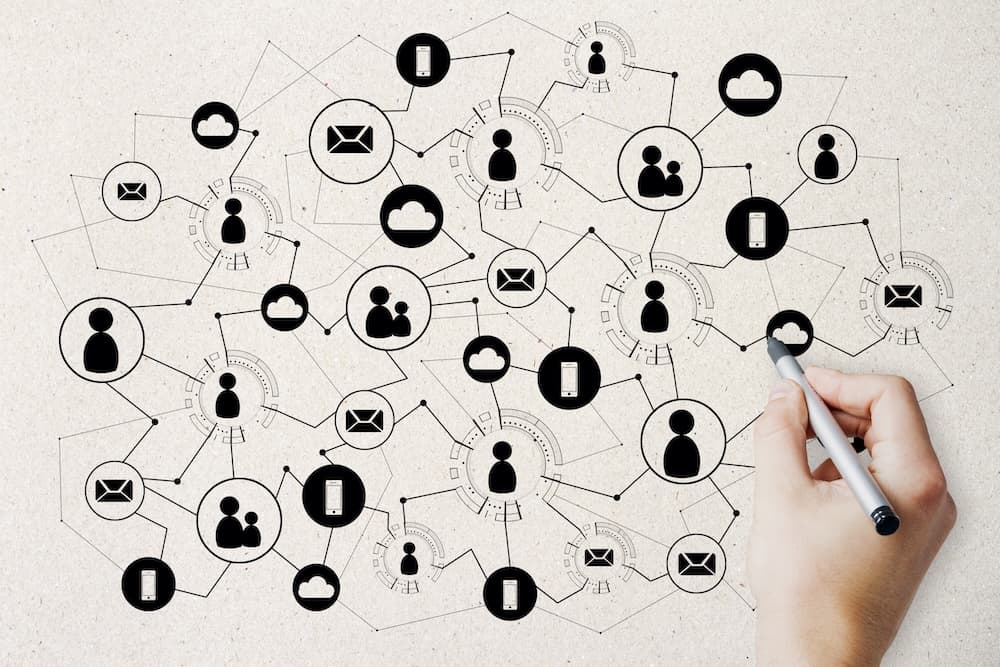
This is the classic "Program Trap." Programs are exciting, visible, and—as Chris Spradlin from One39 often says—they are "sexy." But programs are events. Systems are the mechanisms that make those events matter. If you want a sustainable church growth strategy, you have to stop chasing the next big program and start building the systems that foster connection.
The Program Lid
The problem with a program-heavy culture is that it relies on high-energy bursts. It’s the "Wild West" fire of ministry. While that fire is necessary to start a church, it’s a difficult way to sustain one.
When you rely solely on programs, you inadvertently create a growth lid. Why? Because programs require manual labor. They require "duct tape, paper clips, and yarn" to keep the wheels turning. Eventually, your team runs out of tape.
As we discussed in our article on Church Staffing Ratios, an over-extended staff can only handle so much "blood on the floor." Systems, however, are designed to bleed off the pressure, allowing your team to focus on people instead of logistics.
Breaking the Org Chart
One of the most profound insights from our recent webinars is the idea that you must be willing to "break" your organizational structure every 90 days during seasons of growth.
A church of 200 is a family; a church of 800 is a city. You cannot use the same "plumbing" to provide water for a city that you used for a single house. If you don't evolve your systems—from how you track giving to how you onboard volunteers—your current structure becomes the very lid that keeps you from the next level.
Key Wisdom: "Churches struggle because they're chasing the wrong definition of growth. People aren't as concerned with coming to a cool church; they want to make a friend at church. Systems make that possible." — Chris Spradlin
From Manual To Systematic
How do you know if you have a "Program" problem? Look at your administration. If your staff is spending 20 hours a week on manual data entry, "Unicorn" hunting for volunteers, or trying to bridge gaps between three different software tools, you are running a program, not a system.
A true system uses technology to automate the "tools" so the people can do the "pastoring." This is where a robust Church Management System (ChMS) becomes your greatest asset. It’s the difference between a "Mic in the right hand" (the public program) and a "Toilet brush in the left" (the behind-the-scenes systems that keep the house clean).
Build a System That Lasts
You don’t have to stay stuck on the plateau. By shifting your focus from "what we are doing" to "how we are connecting," you create a path for long-term health.
Simplify Your Systems with Tithely. Stop letting manual tasks act as a lid on your growth. Move your church from fragmented programs to a unified system with Tithely’s world-class ChMS.
Discover Tithely Church Management
See Our Transparent Pricing Plans
Looking for the blueprint? This article is part of our series on Why Your Church Isn’t Growing.
For a deeper look at the data, download the Ultimate Church Salary Guide and start building a structure that can support the growth God is bringing to your doors.
Sign Up for Product Updates

Chris Dunagan is a marketing strategist focused on church tech and digital engagement. He helps churches grow through SEO, email campaigns, and tools like Tithely and Breeze ChMS, with an emphasis on online giving, content strategy, and digital outreach.
If you’ve been in ministry for any length of time, you know the "Post-Event Blues." You spent months planning a massive outreach program. The lights were perfect, the band was "rockstar" level, and the attendance numbers spiked. But three weeks later, the lobby is empty, and your staff is exhausted.
This is the classic "Program Trap." Programs are exciting, visible, and—as Chris Spradlin from One39 often says—they are "sexy." But programs are events. Systems are the mechanisms that make those events matter. If you want a sustainable church growth strategy, you have to stop chasing the next big program and start building the systems that foster connection.
The Program Lid
The problem with a program-heavy culture is that it relies on high-energy bursts. It’s the "Wild West" fire of ministry. While that fire is necessary to start a church, it’s a difficult way to sustain one.
When you rely solely on programs, you inadvertently create a growth lid. Why? Because programs require manual labor. They require "duct tape, paper clips, and yarn" to keep the wheels turning. Eventually, your team runs out of tape.
As we discussed in our article on Church Staffing Ratios, an over-extended staff can only handle so much "blood on the floor." Systems, however, are designed to bleed off the pressure, allowing your team to focus on people instead of logistics.
Breaking the Org Chart
One of the most profound insights from our recent webinars is the idea that you must be willing to "break" your organizational structure every 90 days during seasons of growth.
A church of 200 is a family; a church of 800 is a city. You cannot use the same "plumbing" to provide water for a city that you used for a single house. If you don't evolve your systems—from how you track giving to how you onboard volunteers—your current structure becomes the very lid that keeps you from the next level.
Key Wisdom: "Churches struggle because they're chasing the wrong definition of growth. People aren't as concerned with coming to a cool church; they want to make a friend at church. Systems make that possible." — Chris Spradlin
From Manual To Systematic
How do you know if you have a "Program" problem? Look at your administration. If your staff is spending 20 hours a week on manual data entry, "Unicorn" hunting for volunteers, or trying to bridge gaps between three different software tools, you are running a program, not a system.
A true system uses technology to automate the "tools" so the people can do the "pastoring." This is where a robust Church Management System (ChMS) becomes your greatest asset. It’s the difference between a "Mic in the right hand" (the public program) and a "Toilet brush in the left" (the behind-the-scenes systems that keep the house clean).
Build a System That Lasts
You don’t have to stay stuck on the plateau. By shifting your focus from "what we are doing" to "how we are connecting," you create a path for long-term health.
Simplify Your Systems with Tithely. Stop letting manual tasks act as a lid on your growth. Move your church from fragmented programs to a unified system with Tithely’s world-class ChMS.
Discover Tithely Church Management
See Our Transparent Pricing Plans
Looking for the blueprint? This article is part of our series on Why Your Church Isn’t Growing.
For a deeper look at the data, download the Ultimate Church Salary Guide and start building a structure that can support the growth God is bringing to your doors.
podcast transcript
Chris Dunagan is a marketing strategist focused on church tech and digital engagement. He helps churches grow through SEO, email campaigns, and tools like Tithely and Breeze ChMS, with an emphasis on online giving, content strategy, and digital outreach.
If you’ve been in ministry for any length of time, you know the "Post-Event Blues." You spent months planning a massive outreach program. The lights were perfect, the band was "rockstar" level, and the attendance numbers spiked. But three weeks later, the lobby is empty, and your staff is exhausted.
This is the classic "Program Trap." Programs are exciting, visible, and—as Chris Spradlin from One39 often says—they are "sexy." But programs are events. Systems are the mechanisms that make those events matter. If you want a sustainable church growth strategy, you have to stop chasing the next big program and start building the systems that foster connection.
The Program Lid
The problem with a program-heavy culture is that it relies on high-energy bursts. It’s the "Wild West" fire of ministry. While that fire is necessary to start a church, it’s a difficult way to sustain one.
When you rely solely on programs, you inadvertently create a growth lid. Why? Because programs require manual labor. They require "duct tape, paper clips, and yarn" to keep the wheels turning. Eventually, your team runs out of tape.
As we discussed in our article on Church Staffing Ratios, an over-extended staff can only handle so much "blood on the floor." Systems, however, are designed to bleed off the pressure, allowing your team to focus on people instead of logistics.
Breaking the Org Chart
One of the most profound insights from our recent webinars is the idea that you must be willing to "break" your organizational structure every 90 days during seasons of growth.
A church of 200 is a family; a church of 800 is a city. You cannot use the same "plumbing" to provide water for a city that you used for a single house. If you don't evolve your systems—from how you track giving to how you onboard volunteers—your current structure becomes the very lid that keeps you from the next level.
Key Wisdom: "Churches struggle because they're chasing the wrong definition of growth. People aren't as concerned with coming to a cool church; they want to make a friend at church. Systems make that possible." — Chris Spradlin
From Manual To Systematic
How do you know if you have a "Program" problem? Look at your administration. If your staff is spending 20 hours a week on manual data entry, "Unicorn" hunting for volunteers, or trying to bridge gaps between three different software tools, you are running a program, not a system.
A true system uses technology to automate the "tools" so the people can do the "pastoring." This is where a robust Church Management System (ChMS) becomes your greatest asset. It’s the difference between a "Mic in the right hand" (the public program) and a "Toilet brush in the left" (the behind-the-scenes systems that keep the house clean).
Build a System That Lasts
You don’t have to stay stuck on the plateau. By shifting your focus from "what we are doing" to "how we are connecting," you create a path for long-term health.
Simplify Your Systems with Tithely. Stop letting manual tasks act as a lid on your growth. Move your church from fragmented programs to a unified system with Tithely’s world-class ChMS.
Discover Tithely Church Management
See Our Transparent Pricing Plans
Looking for the blueprint? This article is part of our series on Why Your Church Isn’t Growing.
For a deeper look at the data, download the Ultimate Church Salary Guide and start building a structure that can support the growth God is bringing to your doors.
VIDEO transcript
If you’ve been in ministry for any length of time, you know the "Post-Event Blues." You spent months planning a massive outreach program. The lights were perfect, the band was "rockstar" level, and the attendance numbers spiked. But three weeks later, the lobby is empty, and your staff is exhausted.
This is the classic "Program Trap." Programs are exciting, visible, and—as Chris Spradlin from One39 often says—they are "sexy." But programs are events. Systems are the mechanisms that make those events matter. If you want a sustainable church growth strategy, you have to stop chasing the next big program and start building the systems that foster connection.
The Program Lid
The problem with a program-heavy culture is that it relies on high-energy bursts. It’s the "Wild West" fire of ministry. While that fire is necessary to start a church, it’s a difficult way to sustain one.
When you rely solely on programs, you inadvertently create a growth lid. Why? Because programs require manual labor. They require "duct tape, paper clips, and yarn" to keep the wheels turning. Eventually, your team runs out of tape.
As we discussed in our article on Church Staffing Ratios, an over-extended staff can only handle so much "blood on the floor." Systems, however, are designed to bleed off the pressure, allowing your team to focus on people instead of logistics.
Breaking the Org Chart
One of the most profound insights from our recent webinars is the idea that you must be willing to "break" your organizational structure every 90 days during seasons of growth.
A church of 200 is a family; a church of 800 is a city. You cannot use the same "plumbing" to provide water for a city that you used for a single house. If you don't evolve your systems—from how you track giving to how you onboard volunteers—your current structure becomes the very lid that keeps you from the next level.
Key Wisdom: "Churches struggle because they're chasing the wrong definition of growth. People aren't as concerned with coming to a cool church; they want to make a friend at church. Systems make that possible." — Chris Spradlin
From Manual To Systematic
How do you know if you have a "Program" problem? Look at your administration. If your staff is spending 20 hours a week on manual data entry, "Unicorn" hunting for volunteers, or trying to bridge gaps between three different software tools, you are running a program, not a system.
A true system uses technology to automate the "tools" so the people can do the "pastoring." This is where a robust Church Management System (ChMS) becomes your greatest asset. It’s the difference between a "Mic in the right hand" (the public program) and a "Toilet brush in the left" (the behind-the-scenes systems that keep the house clean).
Build a System That Lasts
You don’t have to stay stuck on the plateau. By shifting your focus from "what we are doing" to "how we are connecting," you create a path for long-term health.
Simplify Your Systems with Tithely. Stop letting manual tasks act as a lid on your growth. Move your church from fragmented programs to a unified system with Tithely’s world-class ChMS.
Discover Tithely Church Management
See Our Transparent Pricing Plans
Looking for the blueprint? This article is part of our series on Why Your Church Isn’t Growing.
For a deeper look at the data, download the Ultimate Church Salary Guide and start building a structure that can support the growth God is bringing to your doors.
Sign Up for Product Updates
Chris Dunagan is a marketing strategist focused on church tech and digital engagement. He helps churches grow through SEO, email campaigns, and tools like Tithely and Breeze ChMS, with an emphasis on online giving, content strategy, and digital outreach.

You Might Also Like
More Resources

From increasing giving, managing your congregation, and engaging your church, our collection of resources will keep you up-to-date on the latest church and ministry trends.
Free Resources


.jpg)