How Churches Track Donations Without Losing Accuracy or Sanity
Tracking church donations manually becomes increasingly difficult as churches grow. Learn how centralized church donation tracking software helps churches simplify giving management, reduce reporting errors, automate recurring donations, and eliminate spreadsheet-related stress.
.jpg)



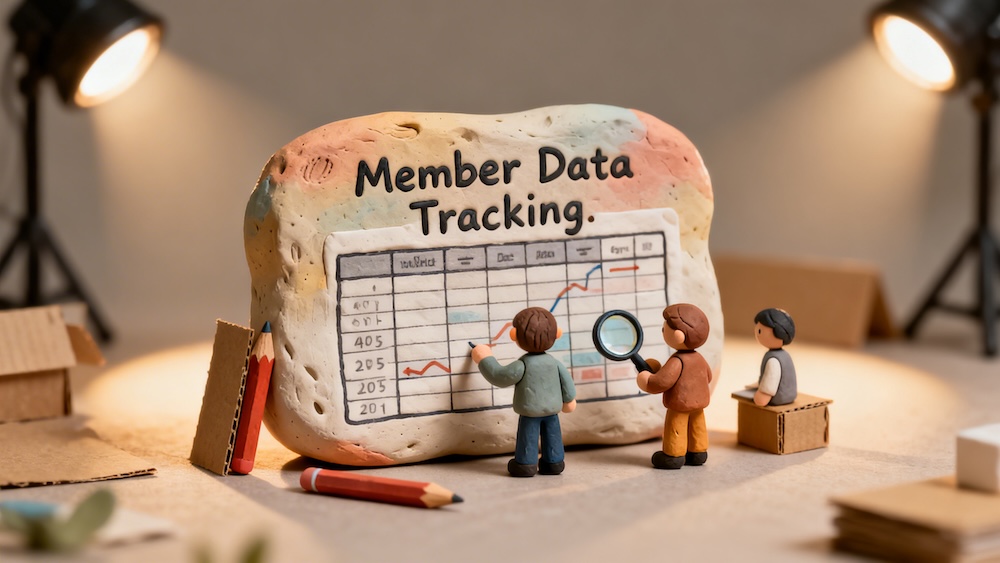
If you’re a small church, there’s a good chance your donation tracking system looks something like this:
A spreadsheet.
A stack of offering envelopes.
Maybe a report from your online giving tool.
And one very patient volunteer or admin is trying to make it all match.
For a while, that works. When you have 40 regular givers and one fund, you can manually enter gifts into Excel and feel pretty confident about it. But over time, things start to feel heavier.
There are more recurring donations. More designated funds. More ways to give. And suddenly that simple spreadsheet starts demanding more time and attention than you expected.
So, how do churches track donations accurately without it becoming a weekly headache?
Let’s walk through how small but growing churches are handling this today.
Why Spreadsheets Start to Break Down
Spreadsheets aren’t bad. They’re flexible, familiar, and free. That’s why so many churches start there.
The problem is growth and complexity.
Here’s what typically happens. At first, you’re entering Sunday cash and checks. Then you add online giving. Now you’re copying totals from one system into your spreadsheet.
Then someone sets up recurring giving. Now you’re checking another report weekly. Then you launch a building fund. Now you’re adding columns and formulas to track designated gifts.
Every layer adds more manual work.
Eventually, you’re:
- Copying numbers from one platform into another
- Double-checking formulas to make sure nothing broke
- Reconciling totals at the end of the month
- Hoping no one accidentally deleted a row
It’s not scalable. The more your church grows, the more likely it is that something will break down.
How Churches Manage Giving and Track Donations
So, how do you move from spreadsheets to a more effective, secure, efficient way of managing giving and tracking donations?
Step 1: Centralize Every Way People Give
The first shift you need to make to simplify donation tracking is to centralize everything.
Instead of tracking online gifts in a single dashboard and in-person gifts in a spreadsheet, you need to consolidate all giving methods into a single system.
That includes:
- Cash and checks from Sunday morning
- Online giving through your website
- Text-to-give
- Recurring bank transfers
- Special event payments
When every gift lands in one place, you no longer have to manually reconcile multiple sources. You’re not copying totals over. You’re not wondering if something got missed. The system automatically reflects the full picture.
For small churches, especially, this eliminates hours of weekly cleanup.
Step 2: Track People, Not Just Transactions
One common spreadsheet mistake is focusing only on amounts:
You record:
- $100 — General Fund
- $50 — Missions
But what happens at the end of the year when someone asks for their giving statement?
Now you’re searching through rows to make sure everything is tied to the right name. If someone’s name was entered slightly differently, like “Jon Smith” one week and “Jonathan Smith” another, things get messy quickly.
Digital church donation tracking platforms are built around individual donor profiles, not amounts. Each person has a record, and every gift is automatically attached to that record. Their giving history, recurring gifts, and fund designations all live in one place.
For a small church, this is huge. It means year-end statements aren’t a scramble. It means you can quickly answer questions about giving without having to dig through old files.
Step 3: Let Fund Designations Happen Automatically
Small churches often raise additional funds as needs arise, such as for youth camps, mission trips, building updates, and seasonal outreaches.
In a spreadsheet, that usually means adding another column or tab and hoping formulas still calculate correctly.
A better approach is to allow donors to choose their fund when they give. When someone selects “Missions” or “Building Fund” while making their gift, the system categorizes it instantly. No manual sorting required.
This keeps reporting clean and reduces the chance of misallocating funds. It also helps leadership see clearly how each fund is performing without creating extra admin work.
For small teams, automation in this area makes a noticeable difference.
Step 4: Create a Simple Process for Cash and Checks
Even if most of your giving is online, Sunday cash and checks still need structure.
Healthy small churches use a straightforward process:
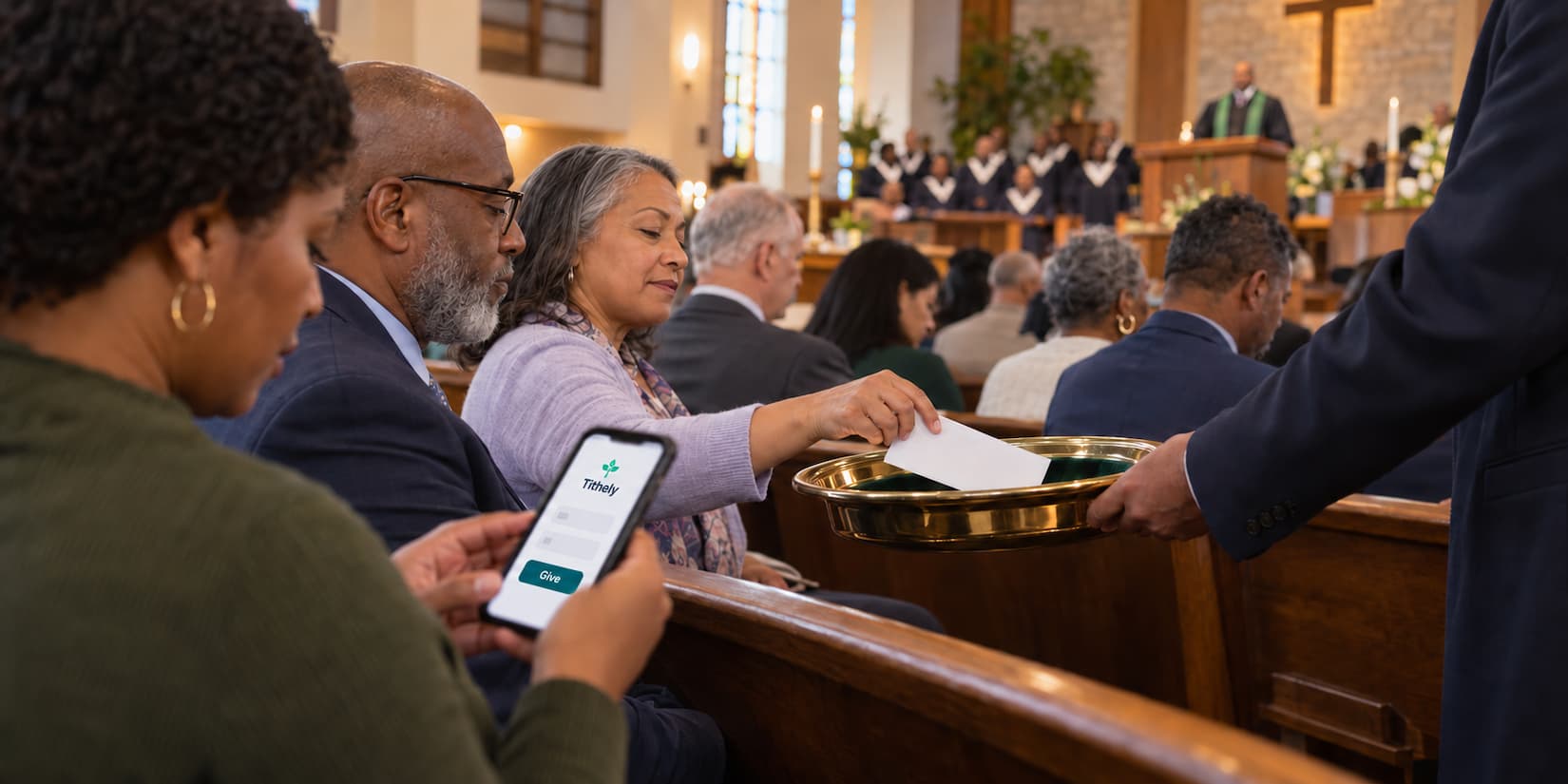
Two people count together. Totals are confirmed. Deposits are made promptly. And those physical gifts are entered into the same system that tracks online donations.
The key is consistency.
When cash gifts sit in envelopes for days before being entered into the spreadsheet, the chance of mistakes increases. The longer you wait, the harder reconciliation becomes.
When everything, digital and physical, ends up in one centralized giving record, your reports stay accurate all week long.
Step 5: Reconcile Weekly Instead of Reactively
Another common spreadsheet habit is waiting until the end of the month to reconcile.
For small churches, that usually means one long evening trying to match deposits, totals, and formulas.
A healthier rhythm is weekly reconciliation. That doesn’t mean complicated accounting. It simply means reviewing giving totals every week while everything is still fresh.
When issues are caught early, they’re easy to fix. When they’re caught 30 days later, they take hours to untangle.
Digital giving platforms make this easier by displaying deposits, transactions, and fund allocations in real time. Instead of building reports manually, you’re reviewing what’s already there.
Step 6: Make Reporting Simple
Even small churches need clarity around finances.
You need to know:
- How giving is trending
- Whether special campaigns are on track
- How does this month compare to last month
If generating those numbers requires exporting your spreadsheet and building charts manually, it adds unnecessary work.
With a centralized church donation tracking system, reports are built in. You can view totals by date range, fund, or donor. You can quickly see recurring giving trends and can provide updates confidently without double-checking every formula first.
This both reduces your stress levels and builds trust.
Common Mistakes Small Churches Make
When churches rely heavily on spreadsheets, a few patterns show up consistently:
- Version confusion: Multiple spreadsheet copies circulate, edits happen in different files, and no one is sure which version is accurate.
- Formula errors: One overwritten or broken formula can distort totals for weeks without being noticed.
- Security risks: Giving data sits in shared files with broad access, exposing sensitive financial and personal information.
- Volunteer burnout: The same person handles reconciliation every week, and the growing workload slowly becomes overwhelming.
- Duplicate donor records: The same person gets entered slightly differently over time (Mike vs. Michael), splitting their giving history and complicating year-end statements.
- Manual fund misallocation: A gift meant for one fund gets entered under another, requiring time-consuming corrections.
- No audit trail: When changes are made to a spreadsheet, there’s often no clear record of who edited what or when.
None of these are dramatic failures. They’re just signs that the system hasn’t kept pace with the church.
How Churches Manage Giving as They Grow
So how do you make all of this happen in your growing church?
Growth means more transactions, designated funds, and reporting needs. It becomes more important than ever to utilize church growth software with a digital giving feature.
Churches that transition away from spreadsheet-only tracking typically notice three immediate benefits.
First, recurring giving increases because digital giving platforms remove the friction. Instead of filling out paper forms or contacting the church office to set up an automatic draft, members can create a recurring gift directly from their phone or computer in just a few steps.
They choose the fund, select the frequency (weekly, biweekly, or monthly), enter their payment information, and they’re done.
Second, reporting becomes faster and more accurate because the numbers are already organized for you. Instead of exporting spreadsheets, adjusting formulas, and double-checking totals, you can see up-to-date giving data instantly.
Third, administrative stress drops significantly. When you’re no longer chasing down missing entries, fixing broken formulas, or reconciling multiple systems, the weekly pressure eases. The person handling giving isn’t stuck playing detective with numbers.
These reasons are exactly why many small churches move from spreadsheet-only tracking to digital giving platforms built specifically for churches, like Tithely. With a platform like Tithely, churches get:
- Easy recurring giving setup that members can create and manage themselves
- All giving methods are tracked in one centralized place
- Real-time reporting without exporting or fixing spreadsheet formulas
- Automatic fund categorization at the time of donation
- Individual donor profiles with complete giving history
- Simple, ready-to-generate year-end giving statements
Tithely was created to help churches transition from relying on spreadsheets to using simple, centralized systems built specifically for church giving.
The Bottom Line
If your church is still using a spreadsheet to track donations, you’re not behind. It’s where many churches start.
But if tracking giving feels heavier and more complicated than it used to, it may be time to move on to something built for managing church donations.
You don’t need a more advanced spreadsheet. You need a simpler system. If your church is ready to move beyond manual tracking, Tithely makes the transition straightforward and manageable.
Sign up for a free 30-day trial today.
Sign Up for Product Updates

Stephen Altrogge lives in Tallahassee, Florida. He is a dad to three wonderful girls and has written for publications like The Gospel Coalition, Church Leaders, Crosswalk, and many more. When he’s not writing, you’ll find him reading or watching The Lord Of the Rings for the 10th time.
If you’re a small church, there’s a good chance your donation tracking system looks something like this:
A spreadsheet.
A stack of offering envelopes.
Maybe a report from your online giving tool.
And one very patient volunteer or admin is trying to make it all match.
For a while, that works. When you have 40 regular givers and one fund, you can manually enter gifts into Excel and feel pretty confident about it. But over time, things start to feel heavier.
There are more recurring donations. More designated funds. More ways to give. And suddenly that simple spreadsheet starts demanding more time and attention than you expected.
So, how do churches track donations accurately without it becoming a weekly headache?
Let’s walk through how small but growing churches are handling this today.
Why Spreadsheets Start to Break Down
Spreadsheets aren’t bad. They’re flexible, familiar, and free. That’s why so many churches start there.
The problem is growth and complexity.
Here’s what typically happens. At first, you’re entering Sunday cash and checks. Then you add online giving. Now you’re copying totals from one system into your spreadsheet.
Then someone sets up recurring giving. Now you’re checking another report weekly. Then you launch a building fund. Now you’re adding columns and formulas to track designated gifts.
Every layer adds more manual work.
Eventually, you’re:
- Copying numbers from one platform into another
- Double-checking formulas to make sure nothing broke
- Reconciling totals at the end of the month
- Hoping no one accidentally deleted a row
It’s not scalable. The more your church grows, the more likely it is that something will break down.
How Churches Manage Giving and Track Donations
So, how do you move from spreadsheets to a more effective, secure, efficient way of managing giving and tracking donations?
Step 1: Centralize Every Way People Give
The first shift you need to make to simplify donation tracking is to centralize everything.
Instead of tracking online gifts in a single dashboard and in-person gifts in a spreadsheet, you need to consolidate all giving methods into a single system.
That includes:
- Cash and checks from Sunday morning
- Online giving through your website
- Text-to-give
- Recurring bank transfers
- Special event payments
When every gift lands in one place, you no longer have to manually reconcile multiple sources. You’re not copying totals over. You’re not wondering if something got missed. The system automatically reflects the full picture.
For small churches, especially, this eliminates hours of weekly cleanup.
Step 2: Track People, Not Just Transactions
One common spreadsheet mistake is focusing only on amounts:
You record:
- $100 — General Fund
- $50 — Missions
But what happens at the end of the year when someone asks for their giving statement?
Now you’re searching through rows to make sure everything is tied to the right name. If someone’s name was entered slightly differently, like “Jon Smith” one week and “Jonathan Smith” another, things get messy quickly.
Digital church donation tracking platforms are built around individual donor profiles, not amounts. Each person has a record, and every gift is automatically attached to that record. Their giving history, recurring gifts, and fund designations all live in one place.
For a small church, this is huge. It means year-end statements aren’t a scramble. It means you can quickly answer questions about giving without having to dig through old files.
Step 3: Let Fund Designations Happen Automatically
Small churches often raise additional funds as needs arise, such as for youth camps, mission trips, building updates, and seasonal outreaches.
In a spreadsheet, that usually means adding another column or tab and hoping formulas still calculate correctly.
A better approach is to allow donors to choose their fund when they give. When someone selects “Missions” or “Building Fund” while making their gift, the system categorizes it instantly. No manual sorting required.
This keeps reporting clean and reduces the chance of misallocating funds. It also helps leadership see clearly how each fund is performing without creating extra admin work.
For small teams, automation in this area makes a noticeable difference.
Step 4: Create a Simple Process for Cash and Checks
Even if most of your giving is online, Sunday cash and checks still need structure.
Healthy small churches use a straightforward process:
Two people count together. Totals are confirmed. Deposits are made promptly. And those physical gifts are entered into the same system that tracks online donations.
The key is consistency.
When cash gifts sit in envelopes for days before being entered into the spreadsheet, the chance of mistakes increases. The longer you wait, the harder reconciliation becomes.
When everything, digital and physical, ends up in one centralized giving record, your reports stay accurate all week long.
Step 5: Reconcile Weekly Instead of Reactively
Another common spreadsheet habit is waiting until the end of the month to reconcile.
For small churches, that usually means one long evening trying to match deposits, totals, and formulas.
A healthier rhythm is weekly reconciliation. That doesn’t mean complicated accounting. It simply means reviewing giving totals every week while everything is still fresh.
When issues are caught early, they’re easy to fix. When they’re caught 30 days later, they take hours to untangle.
Digital giving platforms make this easier by displaying deposits, transactions, and fund allocations in real time. Instead of building reports manually, you’re reviewing what’s already there.
Step 6: Make Reporting Simple
Even small churches need clarity around finances.
You need to know:
- How giving is trending
- Whether special campaigns are on track
- How does this month compare to last month
If generating those numbers requires exporting your spreadsheet and building charts manually, it adds unnecessary work.
With a centralized church donation tracking system, reports are built in. You can view totals by date range, fund, or donor. You can quickly see recurring giving trends and can provide updates confidently without double-checking every formula first.
This both reduces your stress levels and builds trust.
Common Mistakes Small Churches Make
When churches rely heavily on spreadsheets, a few patterns show up consistently:
- Version confusion: Multiple spreadsheet copies circulate, edits happen in different files, and no one is sure which version is accurate.
- Formula errors: One overwritten or broken formula can distort totals for weeks without being noticed.
- Security risks: Giving data sits in shared files with broad access, exposing sensitive financial and personal information.
- Volunteer burnout: The same person handles reconciliation every week, and the growing workload slowly becomes overwhelming.
- Duplicate donor records: The same person gets entered slightly differently over time (Mike vs. Michael), splitting their giving history and complicating year-end statements.
- Manual fund misallocation: A gift meant for one fund gets entered under another, requiring time-consuming corrections.
- No audit trail: When changes are made to a spreadsheet, there’s often no clear record of who edited what or when.
None of these are dramatic failures. They’re just signs that the system hasn’t kept pace with the church.
How Churches Manage Giving as They Grow
So how do you make all of this happen in your growing church?
Growth means more transactions, designated funds, and reporting needs. It becomes more important than ever to utilize church growth software with a digital giving feature.
Churches that transition away from spreadsheet-only tracking typically notice three immediate benefits.
First, recurring giving increases because digital giving platforms remove the friction. Instead of filling out paper forms or contacting the church office to set up an automatic draft, members can create a recurring gift directly from their phone or computer in just a few steps.
They choose the fund, select the frequency (weekly, biweekly, or monthly), enter their payment information, and they’re done.
Second, reporting becomes faster and more accurate because the numbers are already organized for you. Instead of exporting spreadsheets, adjusting formulas, and double-checking totals, you can see up-to-date giving data instantly.
Third, administrative stress drops significantly. When you’re no longer chasing down missing entries, fixing broken formulas, or reconciling multiple systems, the weekly pressure eases. The person handling giving isn’t stuck playing detective with numbers.
These reasons are exactly why many small churches move from spreadsheet-only tracking to digital giving platforms built specifically for churches, like Tithely. With a platform like Tithely, churches get:
- Easy recurring giving setup that members can create and manage themselves
- All giving methods are tracked in one centralized place
- Real-time reporting without exporting or fixing spreadsheet formulas
- Automatic fund categorization at the time of donation
- Individual donor profiles with complete giving history
- Simple, ready-to-generate year-end giving statements
Tithely was created to help churches transition from relying on spreadsheets to using simple, centralized systems built specifically for church giving.
The Bottom Line
If your church is still using a spreadsheet to track donations, you’re not behind. It’s where many churches start.
But if tracking giving feels heavier and more complicated than it used to, it may be time to move on to something built for managing church donations.
You don’t need a more advanced spreadsheet. You need a simpler system. If your church is ready to move beyond manual tracking, Tithely makes the transition straightforward and manageable.
Sign up for a free 30-day trial today.
podcast transcript
Stephen Altrogge lives in Tallahassee, Florida. He is a dad to three wonderful girls and has written for publications like The Gospel Coalition, Church Leaders, Crosswalk, and many more. When he’s not writing, you’ll find him reading or watching The Lord Of the Rings for the 10th time.
If you’re a small church, there’s a good chance your donation tracking system looks something like this:
A spreadsheet.
A stack of offering envelopes.
Maybe a report from your online giving tool.
And one very patient volunteer or admin is trying to make it all match.
For a while, that works. When you have 40 regular givers and one fund, you can manually enter gifts into Excel and feel pretty confident about it. But over time, things start to feel heavier.
There are more recurring donations. More designated funds. More ways to give. And suddenly that simple spreadsheet starts demanding more time and attention than you expected.
So, how do churches track donations accurately without it becoming a weekly headache?
Let’s walk through how small but growing churches are handling this today.
Why Spreadsheets Start to Break Down
Spreadsheets aren’t bad. They’re flexible, familiar, and free. That’s why so many churches start there.
The problem is growth and complexity.
Here’s what typically happens. At first, you’re entering Sunday cash and checks. Then you add online giving. Now you’re copying totals from one system into your spreadsheet.
Then someone sets up recurring giving. Now you’re checking another report weekly. Then you launch a building fund. Now you’re adding columns and formulas to track designated gifts.
Every layer adds more manual work.
Eventually, you’re:
- Copying numbers from one platform into another
- Double-checking formulas to make sure nothing broke
- Reconciling totals at the end of the month
- Hoping no one accidentally deleted a row
It’s not scalable. The more your church grows, the more likely it is that something will break down.
How Churches Manage Giving and Track Donations
So, how do you move from spreadsheets to a more effective, secure, efficient way of managing giving and tracking donations?
Step 1: Centralize Every Way People Give
The first shift you need to make to simplify donation tracking is to centralize everything.
Instead of tracking online gifts in a single dashboard and in-person gifts in a spreadsheet, you need to consolidate all giving methods into a single system.
That includes:
- Cash and checks from Sunday morning
- Online giving through your website
- Text-to-give
- Recurring bank transfers
- Special event payments
When every gift lands in one place, you no longer have to manually reconcile multiple sources. You’re not copying totals over. You’re not wondering if something got missed. The system automatically reflects the full picture.
For small churches, especially, this eliminates hours of weekly cleanup.
Step 2: Track People, Not Just Transactions
One common spreadsheet mistake is focusing only on amounts:
You record:
- $100 — General Fund
- $50 — Missions
But what happens at the end of the year when someone asks for their giving statement?
Now you’re searching through rows to make sure everything is tied to the right name. If someone’s name was entered slightly differently, like “Jon Smith” one week and “Jonathan Smith” another, things get messy quickly.
Digital church donation tracking platforms are built around individual donor profiles, not amounts. Each person has a record, and every gift is automatically attached to that record. Their giving history, recurring gifts, and fund designations all live in one place.
For a small church, this is huge. It means year-end statements aren’t a scramble. It means you can quickly answer questions about giving without having to dig through old files.
Step 3: Let Fund Designations Happen Automatically
Small churches often raise additional funds as needs arise, such as for youth camps, mission trips, building updates, and seasonal outreaches.
In a spreadsheet, that usually means adding another column or tab and hoping formulas still calculate correctly.
A better approach is to allow donors to choose their fund when they give. When someone selects “Missions” or “Building Fund” while making their gift, the system categorizes it instantly. No manual sorting required.
This keeps reporting clean and reduces the chance of misallocating funds. It also helps leadership see clearly how each fund is performing without creating extra admin work.
For small teams, automation in this area makes a noticeable difference.
Step 4: Create a Simple Process for Cash and Checks
Even if most of your giving is online, Sunday cash and checks still need structure.
Healthy small churches use a straightforward process:
Two people count together. Totals are confirmed. Deposits are made promptly. And those physical gifts are entered into the same system that tracks online donations.
The key is consistency.
When cash gifts sit in envelopes for days before being entered into the spreadsheet, the chance of mistakes increases. The longer you wait, the harder reconciliation becomes.
When everything, digital and physical, ends up in one centralized giving record, your reports stay accurate all week long.
Step 5: Reconcile Weekly Instead of Reactively
Another common spreadsheet habit is waiting until the end of the month to reconcile.
For small churches, that usually means one long evening trying to match deposits, totals, and formulas.
A healthier rhythm is weekly reconciliation. That doesn’t mean complicated accounting. It simply means reviewing giving totals every week while everything is still fresh.
When issues are caught early, they’re easy to fix. When they’re caught 30 days later, they take hours to untangle.
Digital giving platforms make this easier by displaying deposits, transactions, and fund allocations in real time. Instead of building reports manually, you’re reviewing what’s already there.
Step 6: Make Reporting Simple
Even small churches need clarity around finances.
You need to know:
- How giving is trending
- Whether special campaigns are on track
- How does this month compare to last month
If generating those numbers requires exporting your spreadsheet and building charts manually, it adds unnecessary work.
With a centralized church donation tracking system, reports are built in. You can view totals by date range, fund, or donor. You can quickly see recurring giving trends and can provide updates confidently without double-checking every formula first.
This both reduces your stress levels and builds trust.
Common Mistakes Small Churches Make
When churches rely heavily on spreadsheets, a few patterns show up consistently:
- Version confusion: Multiple spreadsheet copies circulate, edits happen in different files, and no one is sure which version is accurate.
- Formula errors: One overwritten or broken formula can distort totals for weeks without being noticed.
- Security risks: Giving data sits in shared files with broad access, exposing sensitive financial and personal information.
- Volunteer burnout: The same person handles reconciliation every week, and the growing workload slowly becomes overwhelming.
- Duplicate donor records: The same person gets entered slightly differently over time (Mike vs. Michael), splitting their giving history and complicating year-end statements.
- Manual fund misallocation: A gift meant for one fund gets entered under another, requiring time-consuming corrections.
- No audit trail: When changes are made to a spreadsheet, there’s often no clear record of who edited what or when.
None of these are dramatic failures. They’re just signs that the system hasn’t kept pace with the church.
How Churches Manage Giving as They Grow
So how do you make all of this happen in your growing church?
Growth means more transactions, designated funds, and reporting needs. It becomes more important than ever to utilize church growth software with a digital giving feature.
Churches that transition away from spreadsheet-only tracking typically notice three immediate benefits.
First, recurring giving increases because digital giving platforms remove the friction. Instead of filling out paper forms or contacting the church office to set up an automatic draft, members can create a recurring gift directly from their phone or computer in just a few steps.
They choose the fund, select the frequency (weekly, biweekly, or monthly), enter their payment information, and they’re done.
Second, reporting becomes faster and more accurate because the numbers are already organized for you. Instead of exporting spreadsheets, adjusting formulas, and double-checking totals, you can see up-to-date giving data instantly.
Third, administrative stress drops significantly. When you’re no longer chasing down missing entries, fixing broken formulas, or reconciling multiple systems, the weekly pressure eases. The person handling giving isn’t stuck playing detective with numbers.
These reasons are exactly why many small churches move from spreadsheet-only tracking to digital giving platforms built specifically for churches, like Tithely. With a platform like Tithely, churches get:
- Easy recurring giving setup that members can create and manage themselves
- All giving methods are tracked in one centralized place
- Real-time reporting without exporting or fixing spreadsheet formulas
- Automatic fund categorization at the time of donation
- Individual donor profiles with complete giving history
- Simple, ready-to-generate year-end giving statements
Tithely was created to help churches transition from relying on spreadsheets to using simple, centralized systems built specifically for church giving.
The Bottom Line
If your church is still using a spreadsheet to track donations, you’re not behind. It’s where many churches start.
But if tracking giving feels heavier and more complicated than it used to, it may be time to move on to something built for managing church donations.
You don’t need a more advanced spreadsheet. You need a simpler system. If your church is ready to move beyond manual tracking, Tithely makes the transition straightforward and manageable.
Sign up for a free 30-day trial today.
VIDEO transcript
If you’re a small church, there’s a good chance your donation tracking system looks something like this:
A spreadsheet.
A stack of offering envelopes.
Maybe a report from your online giving tool.
And one very patient volunteer or admin is trying to make it all match.
For a while, that works. When you have 40 regular givers and one fund, you can manually enter gifts into Excel and feel pretty confident about it. But over time, things start to feel heavier.
There are more recurring donations. More designated funds. More ways to give. And suddenly that simple spreadsheet starts demanding more time and attention than you expected.
So, how do churches track donations accurately without it becoming a weekly headache?
Let’s walk through how small but growing churches are handling this today.
Why Spreadsheets Start to Break Down
Spreadsheets aren’t bad. They’re flexible, familiar, and free. That’s why so many churches start there.
The problem is growth and complexity.
Here’s what typically happens. At first, you’re entering Sunday cash and checks. Then you add online giving. Now you’re copying totals from one system into your spreadsheet.
Then someone sets up recurring giving. Now you’re checking another report weekly. Then you launch a building fund. Now you’re adding columns and formulas to track designated gifts.
Every layer adds more manual work.
Eventually, you’re:
- Copying numbers from one platform into another
- Double-checking formulas to make sure nothing broke
- Reconciling totals at the end of the month
- Hoping no one accidentally deleted a row
It’s not scalable. The more your church grows, the more likely it is that something will break down.
How Churches Manage Giving and Track Donations
So, how do you move from spreadsheets to a more effective, secure, efficient way of managing giving and tracking donations?
Step 1: Centralize Every Way People Give
The first shift you need to make to simplify donation tracking is to centralize everything.
Instead of tracking online gifts in a single dashboard and in-person gifts in a spreadsheet, you need to consolidate all giving methods into a single system.
That includes:
- Cash and checks from Sunday morning
- Online giving through your website
- Text-to-give
- Recurring bank transfers
- Special event payments
When every gift lands in one place, you no longer have to manually reconcile multiple sources. You’re not copying totals over. You’re not wondering if something got missed. The system automatically reflects the full picture.
For small churches, especially, this eliminates hours of weekly cleanup.
Step 2: Track People, Not Just Transactions
One common spreadsheet mistake is focusing only on amounts:
You record:
- $100 — General Fund
- $50 — Missions
But what happens at the end of the year when someone asks for their giving statement?
Now you’re searching through rows to make sure everything is tied to the right name. If someone’s name was entered slightly differently, like “Jon Smith” one week and “Jonathan Smith” another, things get messy quickly.
Digital church donation tracking platforms are built around individual donor profiles, not amounts. Each person has a record, and every gift is automatically attached to that record. Their giving history, recurring gifts, and fund designations all live in one place.
For a small church, this is huge. It means year-end statements aren’t a scramble. It means you can quickly answer questions about giving without having to dig through old files.
Step 3: Let Fund Designations Happen Automatically
Small churches often raise additional funds as needs arise, such as for youth camps, mission trips, building updates, and seasonal outreaches.
In a spreadsheet, that usually means adding another column or tab and hoping formulas still calculate correctly.
A better approach is to allow donors to choose their fund when they give. When someone selects “Missions” or “Building Fund” while making their gift, the system categorizes it instantly. No manual sorting required.
This keeps reporting clean and reduces the chance of misallocating funds. It also helps leadership see clearly how each fund is performing without creating extra admin work.
For small teams, automation in this area makes a noticeable difference.
Step 4: Create a Simple Process for Cash and Checks
Even if most of your giving is online, Sunday cash and checks still need structure.
Healthy small churches use a straightforward process:
Two people count together. Totals are confirmed. Deposits are made promptly. And those physical gifts are entered into the same system that tracks online donations.
The key is consistency.
When cash gifts sit in envelopes for days before being entered into the spreadsheet, the chance of mistakes increases. The longer you wait, the harder reconciliation becomes.
When everything, digital and physical, ends up in one centralized giving record, your reports stay accurate all week long.
Step 5: Reconcile Weekly Instead of Reactively
Another common spreadsheet habit is waiting until the end of the month to reconcile.
For small churches, that usually means one long evening trying to match deposits, totals, and formulas.
A healthier rhythm is weekly reconciliation. That doesn’t mean complicated accounting. It simply means reviewing giving totals every week while everything is still fresh.
When issues are caught early, they’re easy to fix. When they’re caught 30 days later, they take hours to untangle.
Digital giving platforms make this easier by displaying deposits, transactions, and fund allocations in real time. Instead of building reports manually, you’re reviewing what’s already there.
Step 6: Make Reporting Simple
Even small churches need clarity around finances.
You need to know:
- How giving is trending
- Whether special campaigns are on track
- How does this month compare to last month
If generating those numbers requires exporting your spreadsheet and building charts manually, it adds unnecessary work.
With a centralized church donation tracking system, reports are built in. You can view totals by date range, fund, or donor. You can quickly see recurring giving trends and can provide updates confidently without double-checking every formula first.
This both reduces your stress levels and builds trust.
Common Mistakes Small Churches Make
When churches rely heavily on spreadsheets, a few patterns show up consistently:
- Version confusion: Multiple spreadsheet copies circulate, edits happen in different files, and no one is sure which version is accurate.
- Formula errors: One overwritten or broken formula can distort totals for weeks without being noticed.
- Security risks: Giving data sits in shared files with broad access, exposing sensitive financial and personal information.
- Volunteer burnout: The same person handles reconciliation every week, and the growing workload slowly becomes overwhelming.
- Duplicate donor records: The same person gets entered slightly differently over time (Mike vs. Michael), splitting their giving history and complicating year-end statements.
- Manual fund misallocation: A gift meant for one fund gets entered under another, requiring time-consuming corrections.
- No audit trail: When changes are made to a spreadsheet, there’s often no clear record of who edited what or when.
None of these are dramatic failures. They’re just signs that the system hasn’t kept pace with the church.
How Churches Manage Giving as They Grow
So how do you make all of this happen in your growing church?
Growth means more transactions, designated funds, and reporting needs. It becomes more important than ever to utilize church growth software with a digital giving feature.
Churches that transition away from spreadsheet-only tracking typically notice three immediate benefits.
First, recurring giving increases because digital giving platforms remove the friction. Instead of filling out paper forms or contacting the church office to set up an automatic draft, members can create a recurring gift directly from their phone or computer in just a few steps.
They choose the fund, select the frequency (weekly, biweekly, or monthly), enter their payment information, and they’re done.
Second, reporting becomes faster and more accurate because the numbers are already organized for you. Instead of exporting spreadsheets, adjusting formulas, and double-checking totals, you can see up-to-date giving data instantly.
Third, administrative stress drops significantly. When you’re no longer chasing down missing entries, fixing broken formulas, or reconciling multiple systems, the weekly pressure eases. The person handling giving isn’t stuck playing detective with numbers.
These reasons are exactly why many small churches move from spreadsheet-only tracking to digital giving platforms built specifically for churches, like Tithely. With a platform like Tithely, churches get:
- Easy recurring giving setup that members can create and manage themselves
- All giving methods are tracked in one centralized place
- Real-time reporting without exporting or fixing spreadsheet formulas
- Automatic fund categorization at the time of donation
- Individual donor profiles with complete giving history
- Simple, ready-to-generate year-end giving statements
Tithely was created to help churches transition from relying on spreadsheets to using simple, centralized systems built specifically for church giving.
The Bottom Line
If your church is still using a spreadsheet to track donations, you’re not behind. It’s where many churches start.
But if tracking giving feels heavier and more complicated than it used to, it may be time to move on to something built for managing church donations.
You don’t need a more advanced spreadsheet. You need a simpler system. If your church is ready to move beyond manual tracking, Tithely makes the transition straightforward and manageable.
Sign up for a free 30-day trial today.
Sign Up for Product Updates
Stephen Altrogge lives in Tallahassee, Florida. He is a dad to three wonderful girls and has written for publications like The Gospel Coalition, Church Leaders, Crosswalk, and many more. When he’s not writing, you’ll find him reading or watching The Lord Of the Rings for the 10th time.

You Might Also Like
More Resources

From increasing giving, managing your congregation, and engaging your church, our collection of resources will keep you up-to-date on the latest church and ministry trends.
Free Resources.jpg)
.jpg)
.jpg)
.jpg)