The Psychology of Generosity: What Actually Motivates People to Give
Discover how belonging, trust, vision, discipleship, and simple giving experiences influence generosity within a church community.



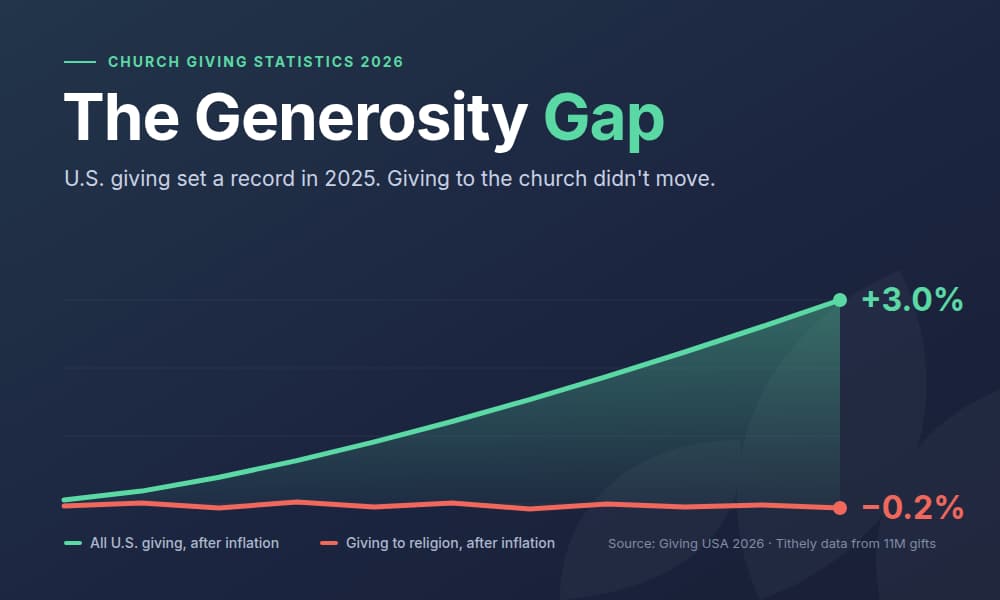
Americans gave more than $151 billion to religious organizations last year. It's a staggering number, but behind every single one of those dollars is a personal decision.
What makes someone give joyfully? What makes someone hesitate? And how much do trust, communication, and a shared sense of mission shape that decision before a gift is ever made?
We sat down with Steve Chaney, founder and managing partner of Chaney & Associates, to talk through it. Steve has spent more than two decades helping churches get their financial house in order, and he's watched thousands of congregations up close. Dave Fletcher, Tithely's Director of Strategic Partnerships, guided the conversation.
What follows are the ideas that stood out most.
Giving is a lagging indicator when people arrive, and a leading indicator when they leave
Steve started somewhere most stewardship conversations don't: belonging.
"In any type of giving, it's not just a transaction," he said. "Do you feel like you belong? Is there a relationship? That always comes first."
When a newcomer walks into your church, giving is the last thing to start. They're evaluating whether they fit. Whether they believe what you believe. Whether the kids' ministry is any good. Only after they've decided this is my church does the giving follow.
The reverse is just as true, and it's the part most churches miss. Giving is the first thing to stop before someone leaves. They still like the people. They're still showing up occasionally. But the connection has quietly frayed, and their giving reflects it months before their attendance does.
That's an enormous amount of pastoral information sitting in your giving records.
Nobody gives to a GL code
Steve is an accountant, so when he says "nobody wants to give to a GL code," he's speaking from experience.
"Nobody wants to hear, we're behind on our budget and we need to pay our utility bill," he said. "Nobody wants to say, hey, we're going to lay off staff if you're not going to give today."
The alternative is a compelling vision that people can see themselves inside of.
Steve pointed to his own church, River Valley Church in Minnesota, where Pastor Rob Ketterling has built one of the top giving mission churches in his denomination through an initiative called Kingdom Builders. First-time guests hear about it and immediately think, this is the church I've been looking for. They give, and they give generously, because the vision reached something already alive in them.
Here's the counterintuitive part. Most churches assume a big missions push will cannibalize the general fund. At River Valley, the opposite happened. Tithes grew. Missions grew. Both at once.
"It's that muscle people are exercising," Steve said. "They're like, wow, that vision is so compelling, I get behind it."
Giving is a discipleship issue, not a financial one
If your giving conversations only happen when the budget is tight, you're not discipling anyone. You're fundraising.
Steve quoted Pastor Rob's analogy: giving is like a muscle. The more you exercise it, the more you can lift. Nobody goes from 50 pounds to 500 pounds overnight, and nobody goes from giving nothing to giving sacrificially overnight either.
That reframe changes what you're actually asking people for. The widow's mite wasn't impressive because of the amount. It was impressive because she gave what she had. Steve's point: God never asks you to give what you'll have someday. He asks what you have now.
"A lot of times we're concerned about, well, I can't give," Steve said. "When I get money, if I win the lottery, then I'm going to give. God never calls us to that. He just says, what do you have? Give me that."
It also means giving belongs in your spiritual formation pathway, not just your announcements. Tithing is a spiritual matter. Generosity above and beyond is a spiritual matter. It requires faith, and faith takes time to form.
If you want practical language for this, our post on 20 short and powerful messages to encourage tithing is built for exactly this kind of week-to-week teaching. And Rock Church in San Diego has built generosity directly into their discipleship pathway, which is worth studying if you're rethinking yours.
Stop calling it an operating budget
One of the simplest shifts Steve recommends is changing what you call your budget.
"Get rid of the idea of, well, this is our operating budget. Start talking about this is our vision budget. This funds the vision."
Yes, you still have to keep the lights on. You still pay salaries, benefits, and general liability insurance. But those line items should sit underneath a vision that's much bigger than they are, not the other way around.
He calls it the ABCs of accounting: activity based costing. Every activity has a cost. When you build the budget around the activities and the outcomes rather than the categories, you give people something to fund instead of something to cover.
At River Valley, the annual report reflects this. Roughly four rows are actual financial data. The rest is baptisms, salvations, small groups, people discipled.
"If all we're about is paying for a building and keeping the lights on, can I just say shut the place down?"
Where churches lose trust, usually without meaning to
Dave asked where trust breaks down around money. Steve's answer had two halves.
The systems half. Dual control is the baseline: the person who counts the money shouldn't be the person who pays the bills or signs the checks. Most churches aren't required to have a financial audit, but bringing in a third party creates accountability that a volunteer treasurer and a well-meaning board simply can't create on their own.
The communication half. This one is more common and more damaging.
"If you're bragging about, hey guys, we raised half a million dollars last week, thank you so much, but you don't follow it up with a story as to how you used that money, all of a sudden people think, oh, they're all about the money."
The fix isn't less reporting. It's better reporting.
Steve described a church that gave 100% of one Sunday's tithes and offerings to local ministries, then sent people out with cameras to film the checks being delivered. The congregation watched it happen. "It didn't matter if you gave the widow's mite or you gave a million dollars. You participated."
He also shared a story about a church his firm helped. No balance sheet. Barely able to complete bank reconciliations. No annual business meeting. Once the financials were organized and presented properly, a man in the congregation made a significant stock donation. His explanation: he had been waiting to see that he could trust the church with it.
"Simple guy. You would never have known it. That happens all the time."
Remove every pain point you can find
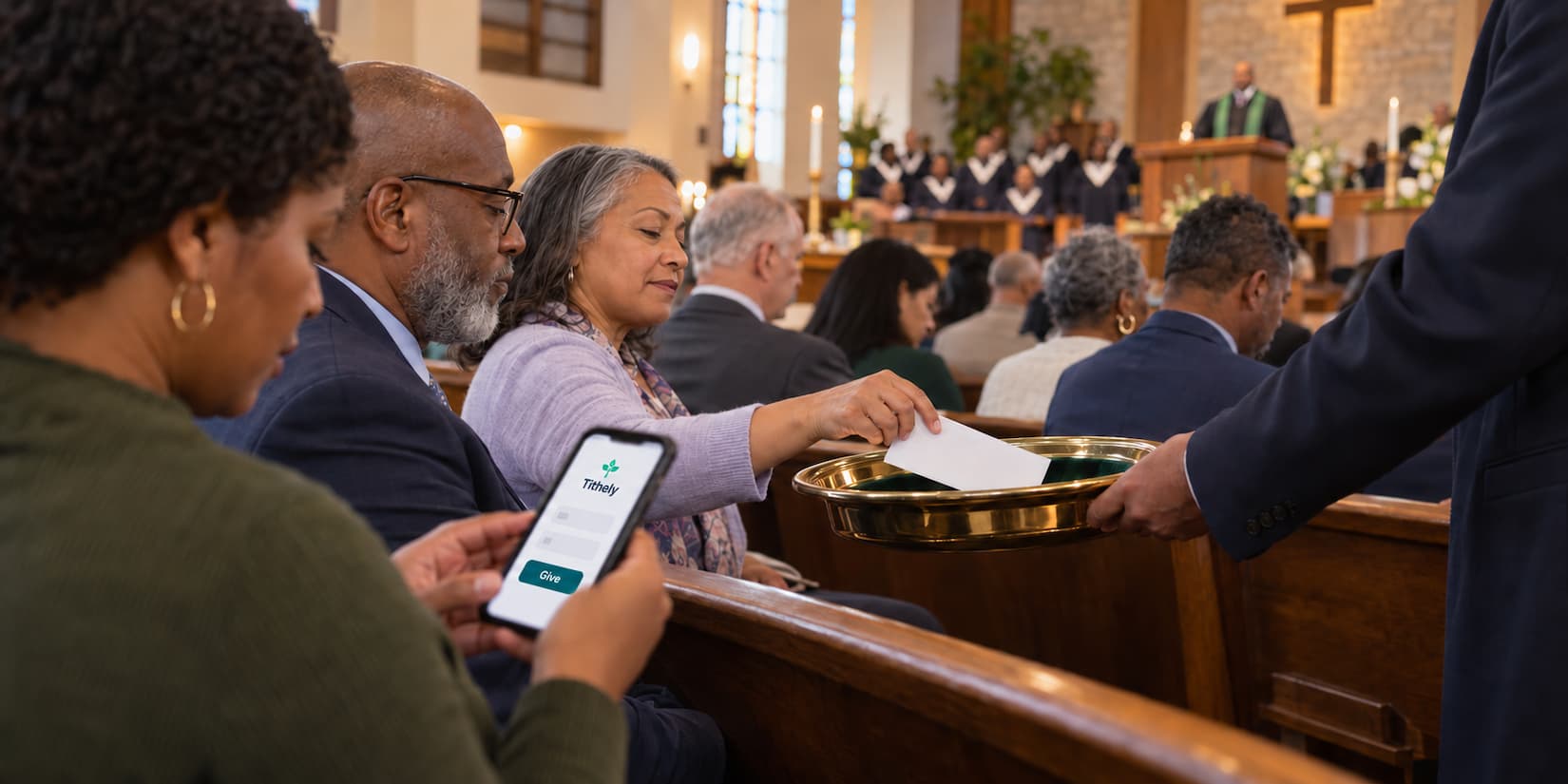
Steve is self-described old school. He still wants to pass the offering plate. But he's watched churches replace the plate entirely with a prayer and a raised phone, and it works.
"People are just, I don't even carry a checkbook."
His In-N-Out analogy is a good one. You walk in and order a number one, a number two, or a number three. The menu is small on purpose. Churches should think about giving the same way: as few choices as possible, as little friction as possible.
That's the case for online giving that works without a login and text giving that takes seconds. Recurring gifts help too. Steve personally prefers to give every Friday when he gets paid because it feels like first fruits, but he was quick to say recurring giving is easier and more consistent for most people. Both are worth making available.
The efficiency argument matters as well. Steve noted that administration should be running around one to two percent of a church's budget. Everything else should be ministry. Technology is what makes that ratio possible now, in a way it simply wasn't twenty years ago.
Your giving records are a pastoral care tool
This was the most quietly convicting part of the conversation.
Many churches track giving only because the IRS requires it. Steve pushed hard against that.
"Everything in tithing is a spiritual matter. Why shouldn't the pastor be reviewing this? Why should they not know that a person hasn't given in two months? They should call and say, is there anything we can pray with you about? How are you doing?"
Sometimes the answer is that nothing is wrong. Sometimes the answer is: my husband has cancer and we haven't been to church in two months.
That's not surveillance. That's shepherding. And it only works if your giving data and your people data live in the same place. When Tithely Giving syncs with Tithely People and Church Management, the follow-up becomes possible instead of theoretical.
Steve made a related point about connection generally. Birthday cards. Anniversary cards. Notes to spouses and kids. "The written card is sort of a dead art form," he said, but the churches that keep those connection points alive are the ones whose giving stays healthy. It takes a plan and it takes intentionality. It doesn't happen on its own.
So where do you start?
Dave asked Steve the practical question: a pastor calls and says we just don't feel like we have a generous church. What's first?
Steve's answer surprised us. He didn't start with a sermon series or a campaign.
"Where does generosity start? It starts with us. Let's start with the church giving a tithe of their own money."
River Valley gives away ten percent of every tithe dollar that comes in, on top of everything else. They don't advertise it, because it's simply what they believe they're called to do.
Then, get organized. Get it into a system. Start tracking it.
"You can't lead from behind. You've got to lead from the front."
Watch the full conversation
The full webinar covers more ground than we could fit here, including Steve's answer on how to preach a giving message without guilt, and how to connect your annual budget to real stories of life change.
Steve's firm, Chaney & Associates, works with churches of every size on the financial systems side of all this. You can learn more at chaneyassociates.com.
And if you want to keep going on the culture side, take a look at how churches like Saddleback, River Valley, and Rock Church use Tithely to fuel this kind of generosity.
Steve's whole argument comes down to removing what stands between a willing giver and the gift. Tithely Giving takes seconds, works without a login, and syncs straight to your people data so the follow-up conversations actually happen. No monthly fees, no setup costs. Get started free.
Sign Up for Product Updates
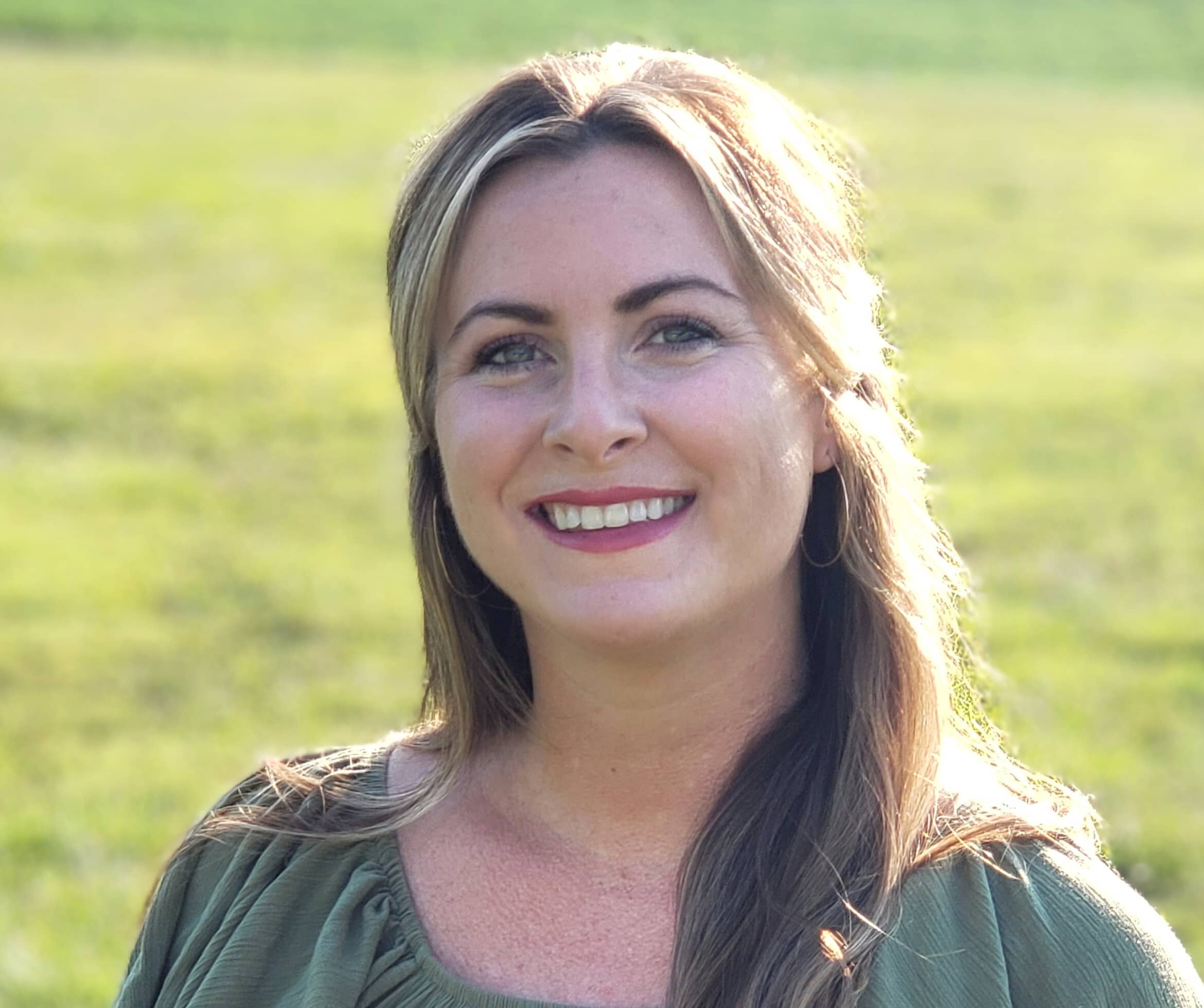
Laura is a writer and ministry leader with experience in church communications, administration, worship ministry, and nonprofit support. She is passionate about helping people grow in their faith through biblical truth, practical encouragement, and honest conversations about the messy middle of everyday life.
When she's not writing, she's spending time with her family and hoping for the swift return of side parts and high-waisted skinny jeans.
Americans gave more than $151 billion to religious organizations last year. It's a staggering number, but behind every single one of those dollars is a personal decision.
What makes someone give joyfully? What makes someone hesitate? And how much do trust, communication, and a shared sense of mission shape that decision before a gift is ever made?
We sat down with Steve Chaney, founder and managing partner of Chaney & Associates, to talk through it. Steve has spent more than two decades helping churches get their financial house in order, and he's watched thousands of congregations up close. Dave Fletcher, Tithely's Director of Strategic Partnerships, guided the conversation.
What follows are the ideas that stood out most.
Giving is a lagging indicator when people arrive, and a leading indicator when they leave
Steve started somewhere most stewardship conversations don't: belonging.
"In any type of giving, it's not just a transaction," he said. "Do you feel like you belong? Is there a relationship? That always comes first."
When a newcomer walks into your church, giving is the last thing to start. They're evaluating whether they fit. Whether they believe what you believe. Whether the kids' ministry is any good. Only after they've decided this is my church does the giving follow.
The reverse is just as true, and it's the part most churches miss. Giving is the first thing to stop before someone leaves. They still like the people. They're still showing up occasionally. But the connection has quietly frayed, and their giving reflects it months before their attendance does.
That's an enormous amount of pastoral information sitting in your giving records.
Nobody gives to a GL code
Steve is an accountant, so when he says "nobody wants to give to a GL code," he's speaking from experience.
"Nobody wants to hear, we're behind on our budget and we need to pay our utility bill," he said. "Nobody wants to say, hey, we're going to lay off staff if you're not going to give today."
The alternative is a compelling vision that people can see themselves inside of.
Steve pointed to his own church, River Valley Church in Minnesota, where Pastor Rob Ketterling has built one of the top giving mission churches in his denomination through an initiative called Kingdom Builders. First-time guests hear about it and immediately think, this is the church I've been looking for. They give, and they give generously, because the vision reached something already alive in them.
Here's the counterintuitive part. Most churches assume a big missions push will cannibalize the general fund. At River Valley, the opposite happened. Tithes grew. Missions grew. Both at once.
"It's that muscle people are exercising," Steve said. "They're like, wow, that vision is so compelling, I get behind it."
Giving is a discipleship issue, not a financial one
If your giving conversations only happen when the budget is tight, you're not discipling anyone. You're fundraising.
Steve quoted Pastor Rob's analogy: giving is like a muscle. The more you exercise it, the more you can lift. Nobody goes from 50 pounds to 500 pounds overnight, and nobody goes from giving nothing to giving sacrificially overnight either.
That reframe changes what you're actually asking people for. The widow's mite wasn't impressive because of the amount. It was impressive because she gave what she had. Steve's point: God never asks you to give what you'll have someday. He asks what you have now.
"A lot of times we're concerned about, well, I can't give," Steve said. "When I get money, if I win the lottery, then I'm going to give. God never calls us to that. He just says, what do you have? Give me that."
It also means giving belongs in your spiritual formation pathway, not just your announcements. Tithing is a spiritual matter. Generosity above and beyond is a spiritual matter. It requires faith, and faith takes time to form.
If you want practical language for this, our post on 20 short and powerful messages to encourage tithing is built for exactly this kind of week-to-week teaching. And Rock Church in San Diego has built generosity directly into their discipleship pathway, which is worth studying if you're rethinking yours.
Stop calling it an operating budget
One of the simplest shifts Steve recommends is changing what you call your budget.
"Get rid of the idea of, well, this is our operating budget. Start talking about this is our vision budget. This funds the vision."
Yes, you still have to keep the lights on. You still pay salaries, benefits, and general liability insurance. But those line items should sit underneath a vision that's much bigger than they are, not the other way around.
He calls it the ABCs of accounting: activity based costing. Every activity has a cost. When you build the budget around the activities and the outcomes rather than the categories, you give people something to fund instead of something to cover.
At River Valley, the annual report reflects this. Roughly four rows are actual financial data. The rest is baptisms, salvations, small groups, people discipled.
"If all we're about is paying for a building and keeping the lights on, can I just say shut the place down?"
Where churches lose trust, usually without meaning to
Dave asked where trust breaks down around money. Steve's answer had two halves.
The systems half. Dual control is the baseline: the person who counts the money shouldn't be the person who pays the bills or signs the checks. Most churches aren't required to have a financial audit, but bringing in a third party creates accountability that a volunteer treasurer and a well-meaning board simply can't create on their own.
The communication half. This one is more common and more damaging.
"If you're bragging about, hey guys, we raised half a million dollars last week, thank you so much, but you don't follow it up with a story as to how you used that money, all of a sudden people think, oh, they're all about the money."
The fix isn't less reporting. It's better reporting.
Steve described a church that gave 100% of one Sunday's tithes and offerings to local ministries, then sent people out with cameras to film the checks being delivered. The congregation watched it happen. "It didn't matter if you gave the widow's mite or you gave a million dollars. You participated."
He also shared a story about a church his firm helped. No balance sheet. Barely able to complete bank reconciliations. No annual business meeting. Once the financials were organized and presented properly, a man in the congregation made a significant stock donation. His explanation: he had been waiting to see that he could trust the church with it.
"Simple guy. You would never have known it. That happens all the time."
Remove every pain point you can find
Steve is self-described old school. He still wants to pass the offering plate. But he's watched churches replace the plate entirely with a prayer and a raised phone, and it works.
"People are just, I don't even carry a checkbook."
His In-N-Out analogy is a good one. You walk in and order a number one, a number two, or a number three. The menu is small on purpose. Churches should think about giving the same way: as few choices as possible, as little friction as possible.
That's the case for online giving that works without a login and text giving that takes seconds. Recurring gifts help too. Steve personally prefers to give every Friday when he gets paid because it feels like first fruits, but he was quick to say recurring giving is easier and more consistent for most people. Both are worth making available.
The efficiency argument matters as well. Steve noted that administration should be running around one to two percent of a church's budget. Everything else should be ministry. Technology is what makes that ratio possible now, in a way it simply wasn't twenty years ago.
Your giving records are a pastoral care tool
This was the most quietly convicting part of the conversation.
Many churches track giving only because the IRS requires it. Steve pushed hard against that.
"Everything in tithing is a spiritual matter. Why shouldn't the pastor be reviewing this? Why should they not know that a person hasn't given in two months? They should call and say, is there anything we can pray with you about? How are you doing?"
Sometimes the answer is that nothing is wrong. Sometimes the answer is: my husband has cancer and we haven't been to church in two months.
That's not surveillance. That's shepherding. And it only works if your giving data and your people data live in the same place. When Tithely Giving syncs with Tithely People and Church Management, the follow-up becomes possible instead of theoretical.
Steve made a related point about connection generally. Birthday cards. Anniversary cards. Notes to spouses and kids. "The written card is sort of a dead art form," he said, but the churches that keep those connection points alive are the ones whose giving stays healthy. It takes a plan and it takes intentionality. It doesn't happen on its own.
So where do you start?
Dave asked Steve the practical question: a pastor calls and says we just don't feel like we have a generous church. What's first?
Steve's answer surprised us. He didn't start with a sermon series or a campaign.
"Where does generosity start? It starts with us. Let's start with the church giving a tithe of their own money."
River Valley gives away ten percent of every tithe dollar that comes in, on top of everything else. They don't advertise it, because it's simply what they believe they're called to do.
Then, get organized. Get it into a system. Start tracking it.
"You can't lead from behind. You've got to lead from the front."
Watch the full conversation
The full webinar covers more ground than we could fit here, including Steve's answer on how to preach a giving message without guilt, and how to connect your annual budget to real stories of life change.
Steve's firm, Chaney & Associates, works with churches of every size on the financial systems side of all this. You can learn more at chaneyassociates.com.
And if you want to keep going on the culture side, take a look at how churches like Saddleback, River Valley, and Rock Church use Tithely to fuel this kind of generosity.
Steve's whole argument comes down to removing what stands between a willing giver and the gift. Tithely Giving takes seconds, works without a login, and syncs straight to your people data so the follow-up conversations actually happen. No monthly fees, no setup costs. Get started free.
podcast transcript
Laura is a writer and ministry leader with experience in church communications, administration, worship ministry, and nonprofit support. She is passionate about helping people grow in their faith through biblical truth, practical encouragement, and honest conversations about the messy middle of everyday life.
When she's not writing, she's spending time with her family and hoping for the swift return of side parts and high-waisted skinny jeans.
Americans gave more than $151 billion to religious organizations last year. It's a staggering number, but behind every single one of those dollars is a personal decision.
What makes someone give joyfully? What makes someone hesitate? And how much do trust, communication, and a shared sense of mission shape that decision before a gift is ever made?
We sat down with Steve Chaney, founder and managing partner of Chaney & Associates, to talk through it. Steve has spent more than two decades helping churches get their financial house in order, and he's watched thousands of congregations up close. Dave Fletcher, Tithely's Director of Strategic Partnerships, guided the conversation.
What follows are the ideas that stood out most.
Giving is a lagging indicator when people arrive, and a leading indicator when they leave
Steve started somewhere most stewardship conversations don't: belonging.
"In any type of giving, it's not just a transaction," he said. "Do you feel like you belong? Is there a relationship? That always comes first."
When a newcomer walks into your church, giving is the last thing to start. They're evaluating whether they fit. Whether they believe what you believe. Whether the kids' ministry is any good. Only after they've decided this is my church does the giving follow.
The reverse is just as true, and it's the part most churches miss. Giving is the first thing to stop before someone leaves. They still like the people. They're still showing up occasionally. But the connection has quietly frayed, and their giving reflects it months before their attendance does.
That's an enormous amount of pastoral information sitting in your giving records.
Nobody gives to a GL code
Steve is an accountant, so when he says "nobody wants to give to a GL code," he's speaking from experience.
"Nobody wants to hear, we're behind on our budget and we need to pay our utility bill," he said. "Nobody wants to say, hey, we're going to lay off staff if you're not going to give today."
The alternative is a compelling vision that people can see themselves inside of.
Steve pointed to his own church, River Valley Church in Minnesota, where Pastor Rob Ketterling has built one of the top giving mission churches in his denomination through an initiative called Kingdom Builders. First-time guests hear about it and immediately think, this is the church I've been looking for. They give, and they give generously, because the vision reached something already alive in them.
Here's the counterintuitive part. Most churches assume a big missions push will cannibalize the general fund. At River Valley, the opposite happened. Tithes grew. Missions grew. Both at once.
"It's that muscle people are exercising," Steve said. "They're like, wow, that vision is so compelling, I get behind it."
Giving is a discipleship issue, not a financial one
If your giving conversations only happen when the budget is tight, you're not discipling anyone. You're fundraising.
Steve quoted Pastor Rob's analogy: giving is like a muscle. The more you exercise it, the more you can lift. Nobody goes from 50 pounds to 500 pounds overnight, and nobody goes from giving nothing to giving sacrificially overnight either.
That reframe changes what you're actually asking people for. The widow's mite wasn't impressive because of the amount. It was impressive because she gave what she had. Steve's point: God never asks you to give what you'll have someday. He asks what you have now.
"A lot of times we're concerned about, well, I can't give," Steve said. "When I get money, if I win the lottery, then I'm going to give. God never calls us to that. He just says, what do you have? Give me that."
It also means giving belongs in your spiritual formation pathway, not just your announcements. Tithing is a spiritual matter. Generosity above and beyond is a spiritual matter. It requires faith, and faith takes time to form.
If you want practical language for this, our post on 20 short and powerful messages to encourage tithing is built for exactly this kind of week-to-week teaching. And Rock Church in San Diego has built generosity directly into their discipleship pathway, which is worth studying if you're rethinking yours.
Stop calling it an operating budget
One of the simplest shifts Steve recommends is changing what you call your budget.
"Get rid of the idea of, well, this is our operating budget. Start talking about this is our vision budget. This funds the vision."
Yes, you still have to keep the lights on. You still pay salaries, benefits, and general liability insurance. But those line items should sit underneath a vision that's much bigger than they are, not the other way around.
He calls it the ABCs of accounting: activity based costing. Every activity has a cost. When you build the budget around the activities and the outcomes rather than the categories, you give people something to fund instead of something to cover.
At River Valley, the annual report reflects this. Roughly four rows are actual financial data. The rest is baptisms, salvations, small groups, people discipled.
"If all we're about is paying for a building and keeping the lights on, can I just say shut the place down?"
Where churches lose trust, usually without meaning to
Dave asked where trust breaks down around money. Steve's answer had two halves.
The systems half. Dual control is the baseline: the person who counts the money shouldn't be the person who pays the bills or signs the checks. Most churches aren't required to have a financial audit, but bringing in a third party creates accountability that a volunteer treasurer and a well-meaning board simply can't create on their own.
The communication half. This one is more common and more damaging.
"If you're bragging about, hey guys, we raised half a million dollars last week, thank you so much, but you don't follow it up with a story as to how you used that money, all of a sudden people think, oh, they're all about the money."
The fix isn't less reporting. It's better reporting.
Steve described a church that gave 100% of one Sunday's tithes and offerings to local ministries, then sent people out with cameras to film the checks being delivered. The congregation watched it happen. "It didn't matter if you gave the widow's mite or you gave a million dollars. You participated."
He also shared a story about a church his firm helped. No balance sheet. Barely able to complete bank reconciliations. No annual business meeting. Once the financials were organized and presented properly, a man in the congregation made a significant stock donation. His explanation: he had been waiting to see that he could trust the church with it.
"Simple guy. You would never have known it. That happens all the time."
Remove every pain point you can find
Steve is self-described old school. He still wants to pass the offering plate. But he's watched churches replace the plate entirely with a prayer and a raised phone, and it works.
"People are just, I don't even carry a checkbook."
His In-N-Out analogy is a good one. You walk in and order a number one, a number two, or a number three. The menu is small on purpose. Churches should think about giving the same way: as few choices as possible, as little friction as possible.
That's the case for online giving that works without a login and text giving that takes seconds. Recurring gifts help too. Steve personally prefers to give every Friday when he gets paid because it feels like first fruits, but he was quick to say recurring giving is easier and more consistent for most people. Both are worth making available.
The efficiency argument matters as well. Steve noted that administration should be running around one to two percent of a church's budget. Everything else should be ministry. Technology is what makes that ratio possible now, in a way it simply wasn't twenty years ago.
Your giving records are a pastoral care tool
This was the most quietly convicting part of the conversation.
Many churches track giving only because the IRS requires it. Steve pushed hard against that.
"Everything in tithing is a spiritual matter. Why shouldn't the pastor be reviewing this? Why should they not know that a person hasn't given in two months? They should call and say, is there anything we can pray with you about? How are you doing?"
Sometimes the answer is that nothing is wrong. Sometimes the answer is: my husband has cancer and we haven't been to church in two months.
That's not surveillance. That's shepherding. And it only works if your giving data and your people data live in the same place. When Tithely Giving syncs with Tithely People and Church Management, the follow-up becomes possible instead of theoretical.
Steve made a related point about connection generally. Birthday cards. Anniversary cards. Notes to spouses and kids. "The written card is sort of a dead art form," he said, but the churches that keep those connection points alive are the ones whose giving stays healthy. It takes a plan and it takes intentionality. It doesn't happen on its own.
So where do you start?
Dave asked Steve the practical question: a pastor calls and says we just don't feel like we have a generous church. What's first?
Steve's answer surprised us. He didn't start with a sermon series or a campaign.
"Where does generosity start? It starts with us. Let's start with the church giving a tithe of their own money."
River Valley gives away ten percent of every tithe dollar that comes in, on top of everything else. They don't advertise it, because it's simply what they believe they're called to do.
Then, get organized. Get it into a system. Start tracking it.
"You can't lead from behind. You've got to lead from the front."
Watch the full conversation
The full webinar covers more ground than we could fit here, including Steve's answer on how to preach a giving message without guilt, and how to connect your annual budget to real stories of life change.
Steve's firm, Chaney & Associates, works with churches of every size on the financial systems side of all this. You can learn more at chaneyassociates.com.
And if you want to keep going on the culture side, take a look at how churches like Saddleback, River Valley, and Rock Church use Tithely to fuel this kind of generosity.
Steve's whole argument comes down to removing what stands between a willing giver and the gift. Tithely Giving takes seconds, works without a login, and syncs straight to your people data so the follow-up conversations actually happen. No monthly fees, no setup costs. Get started free.
VIDEO transcript
Americans gave more than $151 billion to religious organizations last year. It's a staggering number, but behind every single one of those dollars is a personal decision.
What makes someone give joyfully? What makes someone hesitate? And how much do trust, communication, and a shared sense of mission shape that decision before a gift is ever made?
We sat down with Steve Chaney, founder and managing partner of Chaney & Associates, to talk through it. Steve has spent more than two decades helping churches get their financial house in order, and he's watched thousands of congregations up close. Dave Fletcher, Tithely's Director of Strategic Partnerships, guided the conversation.
What follows are the ideas that stood out most.
Giving is a lagging indicator when people arrive, and a leading indicator when they leave
Steve started somewhere most stewardship conversations don't: belonging.
"In any type of giving, it's not just a transaction," he said. "Do you feel like you belong? Is there a relationship? That always comes first."
When a newcomer walks into your church, giving is the last thing to start. They're evaluating whether they fit. Whether they believe what you believe. Whether the kids' ministry is any good. Only after they've decided this is my church does the giving follow.
The reverse is just as true, and it's the part most churches miss. Giving is the first thing to stop before someone leaves. They still like the people. They're still showing up occasionally. But the connection has quietly frayed, and their giving reflects it months before their attendance does.
That's an enormous amount of pastoral information sitting in your giving records.
Nobody gives to a GL code
Steve is an accountant, so when he says "nobody wants to give to a GL code," he's speaking from experience.
"Nobody wants to hear, we're behind on our budget and we need to pay our utility bill," he said. "Nobody wants to say, hey, we're going to lay off staff if you're not going to give today."
The alternative is a compelling vision that people can see themselves inside of.
Steve pointed to his own church, River Valley Church in Minnesota, where Pastor Rob Ketterling has built one of the top giving mission churches in his denomination through an initiative called Kingdom Builders. First-time guests hear about it and immediately think, this is the church I've been looking for. They give, and they give generously, because the vision reached something already alive in them.
Here's the counterintuitive part. Most churches assume a big missions push will cannibalize the general fund. At River Valley, the opposite happened. Tithes grew. Missions grew. Both at once.
"It's that muscle people are exercising," Steve said. "They're like, wow, that vision is so compelling, I get behind it."
Giving is a discipleship issue, not a financial one
If your giving conversations only happen when the budget is tight, you're not discipling anyone. You're fundraising.
Steve quoted Pastor Rob's analogy: giving is like a muscle. The more you exercise it, the more you can lift. Nobody goes from 50 pounds to 500 pounds overnight, and nobody goes from giving nothing to giving sacrificially overnight either.
That reframe changes what you're actually asking people for. The widow's mite wasn't impressive because of the amount. It was impressive because she gave what she had. Steve's point: God never asks you to give what you'll have someday. He asks what you have now.
"A lot of times we're concerned about, well, I can't give," Steve said. "When I get money, if I win the lottery, then I'm going to give. God never calls us to that. He just says, what do you have? Give me that."
It also means giving belongs in your spiritual formation pathway, not just your announcements. Tithing is a spiritual matter. Generosity above and beyond is a spiritual matter. It requires faith, and faith takes time to form.
If you want practical language for this, our post on 20 short and powerful messages to encourage tithing is built for exactly this kind of week-to-week teaching. And Rock Church in San Diego has built generosity directly into their discipleship pathway, which is worth studying if you're rethinking yours.
Stop calling it an operating budget
One of the simplest shifts Steve recommends is changing what you call your budget.
"Get rid of the idea of, well, this is our operating budget. Start talking about this is our vision budget. This funds the vision."
Yes, you still have to keep the lights on. You still pay salaries, benefits, and general liability insurance. But those line items should sit underneath a vision that's much bigger than they are, not the other way around.
He calls it the ABCs of accounting: activity based costing. Every activity has a cost. When you build the budget around the activities and the outcomes rather than the categories, you give people something to fund instead of something to cover.
At River Valley, the annual report reflects this. Roughly four rows are actual financial data. The rest is baptisms, salvations, small groups, people discipled.
"If all we're about is paying for a building and keeping the lights on, can I just say shut the place down?"
Where churches lose trust, usually without meaning to
Dave asked where trust breaks down around money. Steve's answer had two halves.
The systems half. Dual control is the baseline: the person who counts the money shouldn't be the person who pays the bills or signs the checks. Most churches aren't required to have a financial audit, but bringing in a third party creates accountability that a volunteer treasurer and a well-meaning board simply can't create on their own.
The communication half. This one is more common and more damaging.
"If you're bragging about, hey guys, we raised half a million dollars last week, thank you so much, but you don't follow it up with a story as to how you used that money, all of a sudden people think, oh, they're all about the money."
The fix isn't less reporting. It's better reporting.
Steve described a church that gave 100% of one Sunday's tithes and offerings to local ministries, then sent people out with cameras to film the checks being delivered. The congregation watched it happen. "It didn't matter if you gave the widow's mite or you gave a million dollars. You participated."
He also shared a story about a church his firm helped. No balance sheet. Barely able to complete bank reconciliations. No annual business meeting. Once the financials were organized and presented properly, a man in the congregation made a significant stock donation. His explanation: he had been waiting to see that he could trust the church with it.
"Simple guy. You would never have known it. That happens all the time."
Remove every pain point you can find
Steve is self-described old school. He still wants to pass the offering plate. But he's watched churches replace the plate entirely with a prayer and a raised phone, and it works.
"People are just, I don't even carry a checkbook."
His In-N-Out analogy is a good one. You walk in and order a number one, a number two, or a number three. The menu is small on purpose. Churches should think about giving the same way: as few choices as possible, as little friction as possible.
That's the case for online giving that works without a login and text giving that takes seconds. Recurring gifts help too. Steve personally prefers to give every Friday when he gets paid because it feels like first fruits, but he was quick to say recurring giving is easier and more consistent for most people. Both are worth making available.
The efficiency argument matters as well. Steve noted that administration should be running around one to two percent of a church's budget. Everything else should be ministry. Technology is what makes that ratio possible now, in a way it simply wasn't twenty years ago.
Your giving records are a pastoral care tool
This was the most quietly convicting part of the conversation.
Many churches track giving only because the IRS requires it. Steve pushed hard against that.
"Everything in tithing is a spiritual matter. Why shouldn't the pastor be reviewing this? Why should they not know that a person hasn't given in two months? They should call and say, is there anything we can pray with you about? How are you doing?"
Sometimes the answer is that nothing is wrong. Sometimes the answer is: my husband has cancer and we haven't been to church in two months.
That's not surveillance. That's shepherding. And it only works if your giving data and your people data live in the same place. When Tithely Giving syncs with Tithely People and Church Management, the follow-up becomes possible instead of theoretical.
Steve made a related point about connection generally. Birthday cards. Anniversary cards. Notes to spouses and kids. "The written card is sort of a dead art form," he said, but the churches that keep those connection points alive are the ones whose giving stays healthy. It takes a plan and it takes intentionality. It doesn't happen on its own.
So where do you start?
Dave asked Steve the practical question: a pastor calls and says we just don't feel like we have a generous church. What's first?
Steve's answer surprised us. He didn't start with a sermon series or a campaign.
"Where does generosity start? It starts with us. Let's start with the church giving a tithe of their own money."
River Valley gives away ten percent of every tithe dollar that comes in, on top of everything else. They don't advertise it, because it's simply what they believe they're called to do.
Then, get organized. Get it into a system. Start tracking it.
"You can't lead from behind. You've got to lead from the front."
Watch the full conversation
The full webinar covers more ground than we could fit here, including Steve's answer on how to preach a giving message without guilt, and how to connect your annual budget to real stories of life change.
Steve's firm, Chaney & Associates, works with churches of every size on the financial systems side of all this. You can learn more at chaneyassociates.com.
And if you want to keep going on the culture side, take a look at how churches like Saddleback, River Valley, and Rock Church use Tithely to fuel this kind of generosity.
Steve's whole argument comes down to removing what stands between a willing giver and the gift. Tithely Giving takes seconds, works without a login, and syncs straight to your people data so the follow-up conversations actually happen. No monthly fees, no setup costs. Get started free.
Sign Up for Product Updates
Laura is a writer and ministry leader with experience in church communications, administration, worship ministry, and nonprofit support. She is passionate about helping people grow in their faith through biblical truth, practical encouragement, and honest conversations about the messy middle of everyday life.
When she's not writing, she's spending time with her family and hoping for the swift return of side parts and high-waisted skinny jeans.

You Might Also Like
More Resources

From increasing giving, managing your congregation, and engaging your church, our collection of resources will keep you up-to-date on the latest church and ministry trends.
Free Resources