The Small Church Advantage: Why Simple Tracking Tools Are the Secret Weapon for Solo Pastors
In a small church, people don’t want to feel like numbers. But without a simple way to track attendance, giving, and engagement, it’s surprisingly easy for someone to slip quietly out the back door. A church tracker isn’t about data. It’s about making sure every person is remembered.




Many solo pastors wear every hat.
Preacher.
Counselor.
Volunteer coordinator.
Bookkeeper.
Facilities manager.
And somewhere in that mix is another responsibility that matters deeply but often gets overlooked:
Remembering people well.
In a church of 70, 90, or even 150, it’s easy to assume you’ll just notice when someone stops showing up.
But life is busy.
And memory is unreliable.
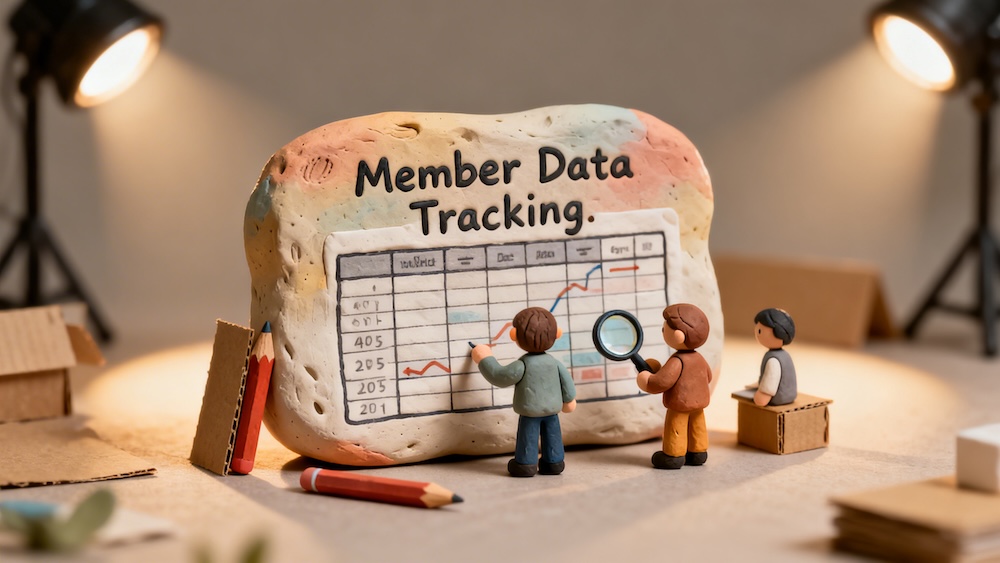
This is where a simple church tracker becomes one of the most powerful pastoral tools a small church can have.
Not because it replaces relationships.
Because it protects them.
A Story: The Quiet Family Who Almost Slipped Away
Pastor Kevin leads a church of about 85 people.
Like many small church pastors, he prided himself on knowing everyone by name.
Or at least he thought he did.
One Sunday, he realized he hadn’t seen the Martins in a while. A young couple with two kids. Faithful volunteers. Always sitting in the same section.
“How long have they been gone?” he asked a deacon.
No one knew.
Maybe two weeks.
Maybe a month.
Kevin checked his email. Nothing.
Checked his notes. Nothing.
Eventually he reached out.
They had quietly stopped attending after a difficult season. No conflict. No drama. They just drifted.
Kevin felt the weight of it.
Not guilt exactly. But sadness.
After that moment, he decided something needed to change. Instead of relying on memory, he began using a simple church tracker through a system like Tithely Church Management.
Now attendance patterns, engagement, and giving activity were all visible in one place.
And more importantly—he no longer had to rely on memory alone.
The Real Problem: Small Church Tracking Is Often Reactive
Most small churches track information in scattered places:
- An attendance clipboard
- A giving spreadsheet
- Text message threads
- Volunteer rosters
- Email lists
None of these talk to each other.
And because of that, pastors usually discover problems after someone has already disengaged.
Manual systems are reactive.
You notice when someone has already been gone for a long time.
A good church tracker flips this dynamic completely.
The “Automated Shepherd” Approach
Think of a church tracker as an early-warning system for pastoral care.
Instead of forcing the pastor to monitor everything manually, the system quietly watches patterns in the background.
When something changes, it alerts you.
For example:
Absence Triggers
If someone who usually attends every week hasn’t checked in for three weeks, the system flags it.
A reminder can automatically notify:
- A deacon
- A small group leader
- A pastoral staff member
The follow-up becomes simple:
"Hey, we missed you these past few weeks. Just checking in."
Sometimes that text message makes all the difference.
Giving Pattern Alerts
If a regular giver suddenly stops giving, it may signal a life change.
Not to track generosity—but to notice when someone might be struggling.
Volunteer Engagement Tracking
When a regular volunteer hasn’t served recently, the system highlights the change.
It becomes an opportunity to ask:
"How are you doing?"
Not, "Why haven’t you been serving?"
Practical Ways Churches Use a Church Tracker
When a church tracker is connected to attendance, giving, and communication tools, it becomes surprisingly powerful.
Here are a few simple ways pastors use it.
1. Attendance Awareness
Track weekly attendance trends so leaders know who may need follow-up.
2. Guest Follow-Up
Automatically remind someone to contact first-time visitors.
3. Pastoral Care Lists
Create lists of members who may need prayer, visits, or encouragement.
4. Volunteer Coordination
Know who is serving regularly and who may need support.
5. Ministry Health Insights
See patterns across small groups, events, and engagement.
Instead of spending hours building spreadsheets, the information lives in one place.
You can explore how these tools work in the Tithely Demo gallery.
The Small Church Advantage
Large churches need complex systems.
Small churches don’t.
In fact, smaller churches have something far more powerful:
proximity.
You know people.
You walk with families.
You pray with them through real life.
A simple church tracker doesn’t replace that.
It strengthens it.
By making sure no one disappears quietly.
By turning information into intentional care.
And by freeing pastors from administrative stress so they can do what they were called to do in the first place.
Shepherd people.
Over to You
If your church is still relying on memory, spreadsheets, and scattered lists, it might be time for something simpler.
A church tracker can help you notice when someone needs encouragement, prayer, or a simple “we missed you.”
Explore how Tithely Church Management helps churches track engagement, automate follow-up, and care for every member of their church family.
Sign Up for Product Updates

Chris Dunagan is a marketing strategist focused on church tech and digital engagement. He helps churches grow through SEO, email campaigns, and tools like Tithely and Breeze ChMS, with an emphasis on online giving, content strategy, and digital outreach.
Many solo pastors wear every hat.
Preacher.
Counselor.
Volunteer coordinator.
Bookkeeper.
Facilities manager.
And somewhere in that mix is another responsibility that matters deeply but often gets overlooked:
Remembering people well.
In a church of 70, 90, or even 150, it’s easy to assume you’ll just notice when someone stops showing up.
But life is busy.
And memory is unreliable.
This is where a simple church tracker becomes one of the most powerful pastoral tools a small church can have.
Not because it replaces relationships.
Because it protects them.
A Story: The Quiet Family Who Almost Slipped Away
Pastor Kevin leads a church of about 85 people.
Like many small church pastors, he prided himself on knowing everyone by name.
Or at least he thought he did.
One Sunday, he realized he hadn’t seen the Martins in a while. A young couple with two kids. Faithful volunteers. Always sitting in the same section.
“How long have they been gone?” he asked a deacon.
No one knew.
Maybe two weeks.
Maybe a month.
Kevin checked his email. Nothing.
Checked his notes. Nothing.
Eventually he reached out.
They had quietly stopped attending after a difficult season. No conflict. No drama. They just drifted.
Kevin felt the weight of it.
Not guilt exactly. But sadness.
After that moment, he decided something needed to change. Instead of relying on memory, he began using a simple church tracker through a system like Tithely Church Management.
Now attendance patterns, engagement, and giving activity were all visible in one place.
And more importantly—he no longer had to rely on memory alone.
The Real Problem: Small Church Tracking Is Often Reactive
Most small churches track information in scattered places:
- An attendance clipboard
- A giving spreadsheet
- Text message threads
- Volunteer rosters
- Email lists
None of these talk to each other.
And because of that, pastors usually discover problems after someone has already disengaged.
Manual systems are reactive.
You notice when someone has already been gone for a long time.
A good church tracker flips this dynamic completely.
The “Automated Shepherd” Approach
Think of a church tracker as an early-warning system for pastoral care.
Instead of forcing the pastor to monitor everything manually, the system quietly watches patterns in the background.
When something changes, it alerts you.
For example:
Absence Triggers
If someone who usually attends every week hasn’t checked in for three weeks, the system flags it.
A reminder can automatically notify:
- A deacon
- A small group leader
- A pastoral staff member
The follow-up becomes simple:
"Hey, we missed you these past few weeks. Just checking in."
Sometimes that text message makes all the difference.
Giving Pattern Alerts
If a regular giver suddenly stops giving, it may signal a life change.
Not to track generosity—but to notice when someone might be struggling.
Volunteer Engagement Tracking
When a regular volunteer hasn’t served recently, the system highlights the change.
It becomes an opportunity to ask:
"How are you doing?"
Not, "Why haven’t you been serving?"
Practical Ways Churches Use a Church Tracker
When a church tracker is connected to attendance, giving, and communication tools, it becomes surprisingly powerful.
Here are a few simple ways pastors use it.
1. Attendance Awareness
Track weekly attendance trends so leaders know who may need follow-up.
2. Guest Follow-Up
Automatically remind someone to contact first-time visitors.
3. Pastoral Care Lists
Create lists of members who may need prayer, visits, or encouragement.
4. Volunteer Coordination
Know who is serving regularly and who may need support.
5. Ministry Health Insights
See patterns across small groups, events, and engagement.
Instead of spending hours building spreadsheets, the information lives in one place.
You can explore how these tools work in the Tithely Demo gallery.
The Small Church Advantage
Large churches need complex systems.
Small churches don’t.
In fact, smaller churches have something far more powerful:
proximity.
You know people.
You walk with families.
You pray with them through real life.
A simple church tracker doesn’t replace that.
It strengthens it.
By making sure no one disappears quietly.
By turning information into intentional care.
And by freeing pastors from administrative stress so they can do what they were called to do in the first place.
Shepherd people.
Over to You
If your church is still relying on memory, spreadsheets, and scattered lists, it might be time for something simpler.
A church tracker can help you notice when someone needs encouragement, prayer, or a simple “we missed you.”
Explore how Tithely Church Management helps churches track engagement, automate follow-up, and care for every member of their church family.
podcast transcript
Chris Dunagan is a marketing strategist focused on church tech and digital engagement. He helps churches grow through SEO, email campaigns, and tools like Tithely and Breeze ChMS, with an emphasis on online giving, content strategy, and digital outreach.
Many solo pastors wear every hat.
Preacher.
Counselor.
Volunteer coordinator.
Bookkeeper.
Facilities manager.
And somewhere in that mix is another responsibility that matters deeply but often gets overlooked:
Remembering people well.
In a church of 70, 90, or even 150, it’s easy to assume you’ll just notice when someone stops showing up.
But life is busy.
And memory is unreliable.
This is where a simple church tracker becomes one of the most powerful pastoral tools a small church can have.
Not because it replaces relationships.
Because it protects them.
A Story: The Quiet Family Who Almost Slipped Away
Pastor Kevin leads a church of about 85 people.
Like many small church pastors, he prided himself on knowing everyone by name.
Or at least he thought he did.
One Sunday, he realized he hadn’t seen the Martins in a while. A young couple with two kids. Faithful volunteers. Always sitting in the same section.
“How long have they been gone?” he asked a deacon.
No one knew.
Maybe two weeks.
Maybe a month.
Kevin checked his email. Nothing.
Checked his notes. Nothing.
Eventually he reached out.
They had quietly stopped attending after a difficult season. No conflict. No drama. They just drifted.
Kevin felt the weight of it.
Not guilt exactly. But sadness.
After that moment, he decided something needed to change. Instead of relying on memory, he began using a simple church tracker through a system like Tithely Church Management.
Now attendance patterns, engagement, and giving activity were all visible in one place.
And more importantly—he no longer had to rely on memory alone.
The Real Problem: Small Church Tracking Is Often Reactive
Most small churches track information in scattered places:
- An attendance clipboard
- A giving spreadsheet
- Text message threads
- Volunteer rosters
- Email lists
None of these talk to each other.
And because of that, pastors usually discover problems after someone has already disengaged.
Manual systems are reactive.
You notice when someone has already been gone for a long time.
A good church tracker flips this dynamic completely.
The “Automated Shepherd” Approach
Think of a church tracker as an early-warning system for pastoral care.
Instead of forcing the pastor to monitor everything manually, the system quietly watches patterns in the background.
When something changes, it alerts you.
For example:
Absence Triggers
If someone who usually attends every week hasn’t checked in for three weeks, the system flags it.
A reminder can automatically notify:
- A deacon
- A small group leader
- A pastoral staff member
The follow-up becomes simple:
"Hey, we missed you these past few weeks. Just checking in."
Sometimes that text message makes all the difference.
Giving Pattern Alerts
If a regular giver suddenly stops giving, it may signal a life change.
Not to track generosity—but to notice when someone might be struggling.
Volunteer Engagement Tracking
When a regular volunteer hasn’t served recently, the system highlights the change.
It becomes an opportunity to ask:
"How are you doing?"
Not, "Why haven’t you been serving?"
Practical Ways Churches Use a Church Tracker
When a church tracker is connected to attendance, giving, and communication tools, it becomes surprisingly powerful.
Here are a few simple ways pastors use it.
1. Attendance Awareness
Track weekly attendance trends so leaders know who may need follow-up.
2. Guest Follow-Up
Automatically remind someone to contact first-time visitors.
3. Pastoral Care Lists
Create lists of members who may need prayer, visits, or encouragement.
4. Volunteer Coordination
Know who is serving regularly and who may need support.
5. Ministry Health Insights
See patterns across small groups, events, and engagement.
Instead of spending hours building spreadsheets, the information lives in one place.
You can explore how these tools work in the Tithely Demo gallery.
The Small Church Advantage
Large churches need complex systems.
Small churches don’t.
In fact, smaller churches have something far more powerful:
proximity.
You know people.
You walk with families.
You pray with them through real life.
A simple church tracker doesn’t replace that.
It strengthens it.
By making sure no one disappears quietly.
By turning information into intentional care.
And by freeing pastors from administrative stress so they can do what they were called to do in the first place.
Shepherd people.
Over to You
If your church is still relying on memory, spreadsheets, and scattered lists, it might be time for something simpler.
A church tracker can help you notice when someone needs encouragement, prayer, or a simple “we missed you.”
Explore how Tithely Church Management helps churches track engagement, automate follow-up, and care for every member of their church family.
VIDEO transcript
Many solo pastors wear every hat.
Preacher.
Counselor.
Volunteer coordinator.
Bookkeeper.
Facilities manager.
And somewhere in that mix is another responsibility that matters deeply but often gets overlooked:
Remembering people well.
In a church of 70, 90, or even 150, it’s easy to assume you’ll just notice when someone stops showing up.
But life is busy.
And memory is unreliable.
This is where a simple church tracker becomes one of the most powerful pastoral tools a small church can have.
Not because it replaces relationships.
Because it protects them.
A Story: The Quiet Family Who Almost Slipped Away
Pastor Kevin leads a church of about 85 people.
Like many small church pastors, he prided himself on knowing everyone by name.
Or at least he thought he did.
One Sunday, he realized he hadn’t seen the Martins in a while. A young couple with two kids. Faithful volunteers. Always sitting in the same section.
“How long have they been gone?” he asked a deacon.
No one knew.
Maybe two weeks.
Maybe a month.
Kevin checked his email. Nothing.
Checked his notes. Nothing.
Eventually he reached out.
They had quietly stopped attending after a difficult season. No conflict. No drama. They just drifted.
Kevin felt the weight of it.
Not guilt exactly. But sadness.
After that moment, he decided something needed to change. Instead of relying on memory, he began using a simple church tracker through a system like Tithely Church Management.
Now attendance patterns, engagement, and giving activity were all visible in one place.
And more importantly—he no longer had to rely on memory alone.
The Real Problem: Small Church Tracking Is Often Reactive
Most small churches track information in scattered places:
- An attendance clipboard
- A giving spreadsheet
- Text message threads
- Volunteer rosters
- Email lists
None of these talk to each other.
And because of that, pastors usually discover problems after someone has already disengaged.
Manual systems are reactive.
You notice when someone has already been gone for a long time.
A good church tracker flips this dynamic completely.
The “Automated Shepherd” Approach
Think of a church tracker as an early-warning system for pastoral care.
Instead of forcing the pastor to monitor everything manually, the system quietly watches patterns in the background.
When something changes, it alerts you.
For example:
Absence Triggers
If someone who usually attends every week hasn’t checked in for three weeks, the system flags it.
A reminder can automatically notify:
- A deacon
- A small group leader
- A pastoral staff member
The follow-up becomes simple:
"Hey, we missed you these past few weeks. Just checking in."
Sometimes that text message makes all the difference.
Giving Pattern Alerts
If a regular giver suddenly stops giving, it may signal a life change.
Not to track generosity—but to notice when someone might be struggling.
Volunteer Engagement Tracking
When a regular volunteer hasn’t served recently, the system highlights the change.
It becomes an opportunity to ask:
"How are you doing?"
Not, "Why haven’t you been serving?"
Practical Ways Churches Use a Church Tracker
When a church tracker is connected to attendance, giving, and communication tools, it becomes surprisingly powerful.
Here are a few simple ways pastors use it.
1. Attendance Awareness
Track weekly attendance trends so leaders know who may need follow-up.
2. Guest Follow-Up
Automatically remind someone to contact first-time visitors.
3. Pastoral Care Lists
Create lists of members who may need prayer, visits, or encouragement.
4. Volunteer Coordination
Know who is serving regularly and who may need support.
5. Ministry Health Insights
See patterns across small groups, events, and engagement.
Instead of spending hours building spreadsheets, the information lives in one place.
You can explore how these tools work in the Tithely Demo gallery.
The Small Church Advantage
Large churches need complex systems.
Small churches don’t.
In fact, smaller churches have something far more powerful:
proximity.
You know people.
You walk with families.
You pray with them through real life.
A simple church tracker doesn’t replace that.
It strengthens it.
By making sure no one disappears quietly.
By turning information into intentional care.
And by freeing pastors from administrative stress so they can do what they were called to do in the first place.
Shepherd people.
Over to You
If your church is still relying on memory, spreadsheets, and scattered lists, it might be time for something simpler.
A church tracker can help you notice when someone needs encouragement, prayer, or a simple “we missed you.”
Explore how Tithely Church Management helps churches track engagement, automate follow-up, and care for every member of their church family.
Sign Up for Product Updates
Chris Dunagan is a marketing strategist focused on church tech and digital engagement. He helps churches grow through SEO, email campaigns, and tools like Tithely and Breeze ChMS, with an emphasis on online giving, content strategy, and digital outreach.

You Might Also Like
More Resources

From increasing giving, managing your congregation, and engaging your church, our collection of resources will keep you up-to-date on the latest church and ministry trends.
Free Resources.jpg)
.jpg)
.jpg)
.jpg)