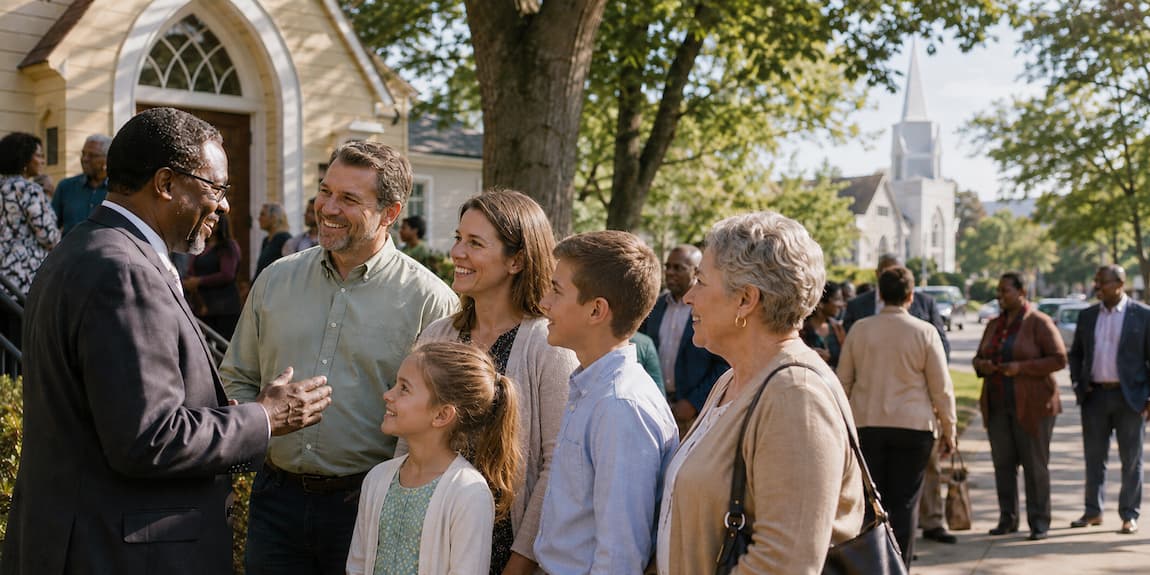
How to Handle Volunteer Frustration Before It Turns Into Turnover
Learn how to recognize church volunteer frustration early, prevent burnout, distribute responsibilities, and build a healthier culture that retains volunteers.




I recently had a conversation with one of the most faithful volunteers in our church. And she’s exhausted.
Every Sunday, she's one of the first to arrive and one of the last to leave. She helps set up before service, greets people as they walk through the doors, prays with those who need encouragement, and stays afterward to help tear everything down. If there's a gap to fill, she's usually the one stepping into it.
Over the past several months, she's also been inviting others to step up and serve. Some people have said yes, and that's been encouraging. But the reality is that the ministry still mostly depends on the same small group of faithful volunteers.
As we talked, I could hear the weight she was carrying. She wasn't frustrated because she no longer loved serving. She was frustrated because it felt like she couldn't stop. Week after week, she found herself wondering why it always seemed to fall on the same people to keep the ministry running.
Importantly, her story isn't unique.
Whether you're part of a church plant or a congregation of thousands, the challenge is often the same. The most faithful volunteers carry the heaviest load, and over time, that weight becomes unsustainable. Volunteer burnout rarely happens overnight. More often, joyful service slowly gives way to quiet frustration, and by the time a leader notices, that volunteer is already halfway out the door.
Understanding the most common reasons church volunteers quit is one of the first steps toward building a culture that actually retains them.
How to Spot Volunteer Burnout Before Someone Disappears
One of the biggest mistakes leaders make is waiting for volunteers to admit they're struggling. Most won't. They'll keep showing up, keep filling gaps, and keep insisting they're fine until one day they stop responding to texts and quietly disappear.
Don't wait for that conversation to find you. Initiate it.
Check in regularly with your most faithful volunteers, not just when something goes wrong. Ask questions like, How are you feeling about serving right now? or Has anything about this role become more draining than life-giving? Then give them the space to answer honestly.
When my friend said she felt like she couldn't stop serving, she was revealing something far more important than a scheduling problem. She was asking for someone to notice.
Volunteer Burnout and Disengagement Are Not the Same Thing
One of the most freeing distinctions a ministry leader can make is recognizing that not every season of life allows someone to serve in the same capacity.
The volunteer who served every week for five years but now serves once a month hasn't necessarily lost passion for the ministry. They may have a newborn at home, a demanding season at work, or aging parents who need care.
Healthy leaders learn to distinguish between someone who is disengaging and someone who is simply adjusting.
That's why churches need multiple on-ramps for serving, and why church volunteer scheduling software can make it significantly easier to match people to opportunities that actually fit their availability and capacity. Not everyone can commit every Sunday. Some people thrive serving at seasonal events, short-term projects, or occasional opportunities. When the only option is a high-level weekly commitment, many willing people simply opt out altogether.
Why Your Most Faithful Volunteers Are Also Your Most Vulnerable
When there's a gap to fill, it's easy to ask the person who always says yes.
That's how someone like my friend ends up doing the work of four people. Not because anyone assigned it to her, but because she kept showing up when others didn't.
Eventually, faithfulness becomes dependency.
Instead of continually leaning on your most available volunteers, recruit intentionally. Look for people whose gifts match the need, clearly communicate expectations, and create a culture where people can say "no" without feeling guilty. Spreading responsibility wisely doesn't just strengthen your ministry. It protects the people who have faithfully carried it.
Give Volunteers Permission to Rest Without Guilt
Sometimes, the most loving thing you can do for a volunteer is tell them to take a break.
Stepping back from serving doesn't necessarily mean someone is stepping away from the church. It might simply be what they need in order to remain healthy for the long haul.
Unfortunately, many ministry cultures unintentionally communicate that more serving is always better and that taking a break reflects weak faith or a lack of commitment.
We need to challenge that narrative.
Remind your volunteers, both publicly and privately, that rest is not retreat. Healthy people rest. Healthy ministries make room for different seasons. The goal is not to squeeze every ounce of energy out of your volunteers today. It is to help them remain faithful for years to come.
When people know they have permission to step back for a season, they are far more likely to return refreshed instead of disappearing altogether. If you are looking for practical ways to re-energize your volunteers, that is a good place to start.
Volunteer Retention Starts With Relationships
My conversation with my friend reminded me of something every ministry leader needs to remember. Volunteers are not simply positions to fill. They are people God has entrusted to your care.
The goal is not simply to keep your volunteer schedule full. It is to build a culture where people feel seen, valued, and cared for beyond the role they play on Sunday morning.
The good news is that healthy volunteer cultures can be built. They begin with intentional conversations, realistic expectations, and systems that make it easier to care for people well. That last part matters more than leaders often realize. When scheduling is disorganized, communication falls through the cracks, and volunteers are left feeling like an afterthought before they even show up to serve.
That is where Tithely's church management platform comes in. It gives ministry leaders the tools to schedule volunteers, communicate clearly, and manage the administrative side of ministry in one place. When leaders are not buried in logistics, they have more time and energy to invest in the people who make ministry possible.
Sign Up for Product Updates

Susanna is a theological content writer with a Master of Arts in Intercultural Studies from Fuller Theological Seminary. She is passionate about ministry, running, and exploring new cultures through international travel. In her free time, you’ll find her surfing, obsessing over the Olympics, or enjoying the San Diego sunshine!
I recently had a conversation with one of the most faithful volunteers in our church. And she’s exhausted.
Every Sunday, she's one of the first to arrive and one of the last to leave. She helps set up before service, greets people as they walk through the doors, prays with those who need encouragement, and stays afterward to help tear everything down. If there's a gap to fill, she's usually the one stepping into it.
Over the past several months, she's also been inviting others to step up and serve. Some people have said yes, and that's been encouraging. But the reality is that the ministry still mostly depends on the same small group of faithful volunteers.
As we talked, I could hear the weight she was carrying. She wasn't frustrated because she no longer loved serving. She was frustrated because it felt like she couldn't stop. Week after week, she found herself wondering why it always seemed to fall on the same people to keep the ministry running.
Importantly, her story isn't unique.
Whether you're part of a church plant or a congregation of thousands, the challenge is often the same. The most faithful volunteers carry the heaviest load, and over time, that weight becomes unsustainable. Volunteer burnout rarely happens overnight. More often, joyful service slowly gives way to quiet frustration, and by the time a leader notices, that volunteer is already halfway out the door.
Understanding the most common reasons church volunteers quit is one of the first steps toward building a culture that actually retains them.
How to Spot Volunteer Burnout Before Someone Disappears
One of the biggest mistakes leaders make is waiting for volunteers to admit they're struggling. Most won't. They'll keep showing up, keep filling gaps, and keep insisting they're fine until one day they stop responding to texts and quietly disappear.
Don't wait for that conversation to find you. Initiate it.
Check in regularly with your most faithful volunteers, not just when something goes wrong. Ask questions like, How are you feeling about serving right now? or Has anything about this role become more draining than life-giving? Then give them the space to answer honestly.
When my friend said she felt like she couldn't stop serving, she was revealing something far more important than a scheduling problem. She was asking for someone to notice.
Volunteer Burnout and Disengagement Are Not the Same Thing
One of the most freeing distinctions a ministry leader can make is recognizing that not every season of life allows someone to serve in the same capacity.
The volunteer who served every week for five years but now serves once a month hasn't necessarily lost passion for the ministry. They may have a newborn at home, a demanding season at work, or aging parents who need care.
Healthy leaders learn to distinguish between someone who is disengaging and someone who is simply adjusting.
That's why churches need multiple on-ramps for serving, and why church volunteer scheduling software can make it significantly easier to match people to opportunities that actually fit their availability and capacity. Not everyone can commit every Sunday. Some people thrive serving at seasonal events, short-term projects, or occasional opportunities. When the only option is a high-level weekly commitment, many willing people simply opt out altogether.
Why Your Most Faithful Volunteers Are Also Your Most Vulnerable
When there's a gap to fill, it's easy to ask the person who always says yes.
That's how someone like my friend ends up doing the work of four people. Not because anyone assigned it to her, but because she kept showing up when others didn't.
Eventually, faithfulness becomes dependency.
Instead of continually leaning on your most available volunteers, recruit intentionally. Look for people whose gifts match the need, clearly communicate expectations, and create a culture where people can say "no" without feeling guilty. Spreading responsibility wisely doesn't just strengthen your ministry. It protects the people who have faithfully carried it.
Give Volunteers Permission to Rest Without Guilt
Sometimes, the most loving thing you can do for a volunteer is tell them to take a break.
Stepping back from serving doesn't necessarily mean someone is stepping away from the church. It might simply be what they need in order to remain healthy for the long haul.
Unfortunately, many ministry cultures unintentionally communicate that more serving is always better and that taking a break reflects weak faith or a lack of commitment.
We need to challenge that narrative.
Remind your volunteers, both publicly and privately, that rest is not retreat. Healthy people rest. Healthy ministries make room for different seasons. The goal is not to squeeze every ounce of energy out of your volunteers today. It is to help them remain faithful for years to come.
When people know they have permission to step back for a season, they are far more likely to return refreshed instead of disappearing altogether. If you are looking for practical ways to re-energize your volunteers, that is a good place to start.
Volunteer Retention Starts With Relationships
My conversation with my friend reminded me of something every ministry leader needs to remember. Volunteers are not simply positions to fill. They are people God has entrusted to your care.
The goal is not simply to keep your volunteer schedule full. It is to build a culture where people feel seen, valued, and cared for beyond the role they play on Sunday morning.
The good news is that healthy volunteer cultures can be built. They begin with intentional conversations, realistic expectations, and systems that make it easier to care for people well. That last part matters more than leaders often realize. When scheduling is disorganized, communication falls through the cracks, and volunteers are left feeling like an afterthought before they even show up to serve.
That is where Tithely's church management platform comes in. It gives ministry leaders the tools to schedule volunteers, communicate clearly, and manage the administrative side of ministry in one place. When leaders are not buried in logistics, they have more time and energy to invest in the people who make ministry possible.
podcast transcript
Susanna is a theological content writer with a Master of Arts in Intercultural Studies from Fuller Theological Seminary. She is passionate about ministry, running, and exploring new cultures through international travel. In her free time, you’ll find her surfing, obsessing over the Olympics, or enjoying the San Diego sunshine!
I recently had a conversation with one of the most faithful volunteers in our church. And she’s exhausted.
Every Sunday, she's one of the first to arrive and one of the last to leave. She helps set up before service, greets people as they walk through the doors, prays with those who need encouragement, and stays afterward to help tear everything down. If there's a gap to fill, she's usually the one stepping into it.
Over the past several months, she's also been inviting others to step up and serve. Some people have said yes, and that's been encouraging. But the reality is that the ministry still mostly depends on the same small group of faithful volunteers.
As we talked, I could hear the weight she was carrying. She wasn't frustrated because she no longer loved serving. She was frustrated because it felt like she couldn't stop. Week after week, she found herself wondering why it always seemed to fall on the same people to keep the ministry running.
Importantly, her story isn't unique.
Whether you're part of a church plant or a congregation of thousands, the challenge is often the same. The most faithful volunteers carry the heaviest load, and over time, that weight becomes unsustainable. Volunteer burnout rarely happens overnight. More often, joyful service slowly gives way to quiet frustration, and by the time a leader notices, that volunteer is already halfway out the door.
Understanding the most common reasons church volunteers quit is one of the first steps toward building a culture that actually retains them.
How to Spot Volunteer Burnout Before Someone Disappears
One of the biggest mistakes leaders make is waiting for volunteers to admit they're struggling. Most won't. They'll keep showing up, keep filling gaps, and keep insisting they're fine until one day they stop responding to texts and quietly disappear.
Don't wait for that conversation to find you. Initiate it.
Check in regularly with your most faithful volunteers, not just when something goes wrong. Ask questions like, How are you feeling about serving right now? or Has anything about this role become more draining than life-giving? Then give them the space to answer honestly.
When my friend said she felt like she couldn't stop serving, she was revealing something far more important than a scheduling problem. She was asking for someone to notice.
Volunteer Burnout and Disengagement Are Not the Same Thing
One of the most freeing distinctions a ministry leader can make is recognizing that not every season of life allows someone to serve in the same capacity.
The volunteer who served every week for five years but now serves once a month hasn't necessarily lost passion for the ministry. They may have a newborn at home, a demanding season at work, or aging parents who need care.
Healthy leaders learn to distinguish between someone who is disengaging and someone who is simply adjusting.
That's why churches need multiple on-ramps for serving, and why church volunteer scheduling software can make it significantly easier to match people to opportunities that actually fit their availability and capacity. Not everyone can commit every Sunday. Some people thrive serving at seasonal events, short-term projects, or occasional opportunities. When the only option is a high-level weekly commitment, many willing people simply opt out altogether.
Why Your Most Faithful Volunteers Are Also Your Most Vulnerable
When there's a gap to fill, it's easy to ask the person who always says yes.
That's how someone like my friend ends up doing the work of four people. Not because anyone assigned it to her, but because she kept showing up when others didn't.
Eventually, faithfulness becomes dependency.
Instead of continually leaning on your most available volunteers, recruit intentionally. Look for people whose gifts match the need, clearly communicate expectations, and create a culture where people can say "no" without feeling guilty. Spreading responsibility wisely doesn't just strengthen your ministry. It protects the people who have faithfully carried it.
Give Volunteers Permission to Rest Without Guilt
Sometimes, the most loving thing you can do for a volunteer is tell them to take a break.
Stepping back from serving doesn't necessarily mean someone is stepping away from the church. It might simply be what they need in order to remain healthy for the long haul.
Unfortunately, many ministry cultures unintentionally communicate that more serving is always better and that taking a break reflects weak faith or a lack of commitment.
We need to challenge that narrative.
Remind your volunteers, both publicly and privately, that rest is not retreat. Healthy people rest. Healthy ministries make room for different seasons. The goal is not to squeeze every ounce of energy out of your volunteers today. It is to help them remain faithful for years to come.
When people know they have permission to step back for a season, they are far more likely to return refreshed instead of disappearing altogether. If you are looking for practical ways to re-energize your volunteers, that is a good place to start.
Volunteer Retention Starts With Relationships
My conversation with my friend reminded me of something every ministry leader needs to remember. Volunteers are not simply positions to fill. They are people God has entrusted to your care.
The goal is not simply to keep your volunteer schedule full. It is to build a culture where people feel seen, valued, and cared for beyond the role they play on Sunday morning.
The good news is that healthy volunteer cultures can be built. They begin with intentional conversations, realistic expectations, and systems that make it easier to care for people well. That last part matters more than leaders often realize. When scheduling is disorganized, communication falls through the cracks, and volunteers are left feeling like an afterthought before they even show up to serve.
That is where Tithely's church management platform comes in. It gives ministry leaders the tools to schedule volunteers, communicate clearly, and manage the administrative side of ministry in one place. When leaders are not buried in logistics, they have more time and energy to invest in the people who make ministry possible.
VIDEO transcript
I recently had a conversation with one of the most faithful volunteers in our church. And she’s exhausted.
Every Sunday, she's one of the first to arrive and one of the last to leave. She helps set up before service, greets people as they walk through the doors, prays with those who need encouragement, and stays afterward to help tear everything down. If there's a gap to fill, she's usually the one stepping into it.
Over the past several months, she's also been inviting others to step up and serve. Some people have said yes, and that's been encouraging. But the reality is that the ministry still mostly depends on the same small group of faithful volunteers.
As we talked, I could hear the weight she was carrying. She wasn't frustrated because she no longer loved serving. She was frustrated because it felt like she couldn't stop. Week after week, she found herself wondering why it always seemed to fall on the same people to keep the ministry running.
Importantly, her story isn't unique.
Whether you're part of a church plant or a congregation of thousands, the challenge is often the same. The most faithful volunteers carry the heaviest load, and over time, that weight becomes unsustainable. Volunteer burnout rarely happens overnight. More often, joyful service slowly gives way to quiet frustration, and by the time a leader notices, that volunteer is already halfway out the door.
Understanding the most common reasons church volunteers quit is one of the first steps toward building a culture that actually retains them.
How to Spot Volunteer Burnout Before Someone Disappears
One of the biggest mistakes leaders make is waiting for volunteers to admit they're struggling. Most won't. They'll keep showing up, keep filling gaps, and keep insisting they're fine until one day they stop responding to texts and quietly disappear.
Don't wait for that conversation to find you. Initiate it.
Check in regularly with your most faithful volunteers, not just when something goes wrong. Ask questions like, How are you feeling about serving right now? or Has anything about this role become more draining than life-giving? Then give them the space to answer honestly.
When my friend said she felt like she couldn't stop serving, she was revealing something far more important than a scheduling problem. She was asking for someone to notice.
Volunteer Burnout and Disengagement Are Not the Same Thing
One of the most freeing distinctions a ministry leader can make is recognizing that not every season of life allows someone to serve in the same capacity.
The volunteer who served every week for five years but now serves once a month hasn't necessarily lost passion for the ministry. They may have a newborn at home, a demanding season at work, or aging parents who need care.
Healthy leaders learn to distinguish between someone who is disengaging and someone who is simply adjusting.
That's why churches need multiple on-ramps for serving, and why church volunteer scheduling software can make it significantly easier to match people to opportunities that actually fit their availability and capacity. Not everyone can commit every Sunday. Some people thrive serving at seasonal events, short-term projects, or occasional opportunities. When the only option is a high-level weekly commitment, many willing people simply opt out altogether.
Why Your Most Faithful Volunteers Are Also Your Most Vulnerable
When there's a gap to fill, it's easy to ask the person who always says yes.
That's how someone like my friend ends up doing the work of four people. Not because anyone assigned it to her, but because she kept showing up when others didn't.
Eventually, faithfulness becomes dependency.
Instead of continually leaning on your most available volunteers, recruit intentionally. Look for people whose gifts match the need, clearly communicate expectations, and create a culture where people can say "no" without feeling guilty. Spreading responsibility wisely doesn't just strengthen your ministry. It protects the people who have faithfully carried it.
Give Volunteers Permission to Rest Without Guilt
Sometimes, the most loving thing you can do for a volunteer is tell them to take a break.
Stepping back from serving doesn't necessarily mean someone is stepping away from the church. It might simply be what they need in order to remain healthy for the long haul.
Unfortunately, many ministry cultures unintentionally communicate that more serving is always better and that taking a break reflects weak faith or a lack of commitment.
We need to challenge that narrative.
Remind your volunteers, both publicly and privately, that rest is not retreat. Healthy people rest. Healthy ministries make room for different seasons. The goal is not to squeeze every ounce of energy out of your volunteers today. It is to help them remain faithful for years to come.
When people know they have permission to step back for a season, they are far more likely to return refreshed instead of disappearing altogether. If you are looking for practical ways to re-energize your volunteers, that is a good place to start.
Volunteer Retention Starts With Relationships
My conversation with my friend reminded me of something every ministry leader needs to remember. Volunteers are not simply positions to fill. They are people God has entrusted to your care.
The goal is not simply to keep your volunteer schedule full. It is to build a culture where people feel seen, valued, and cared for beyond the role they play on Sunday morning.
The good news is that healthy volunteer cultures can be built. They begin with intentional conversations, realistic expectations, and systems that make it easier to care for people well. That last part matters more than leaders often realize. When scheduling is disorganized, communication falls through the cracks, and volunteers are left feeling like an afterthought before they even show up to serve.
That is where Tithely's church management platform comes in. It gives ministry leaders the tools to schedule volunteers, communicate clearly, and manage the administrative side of ministry in one place. When leaders are not buried in logistics, they have more time and energy to invest in the people who make ministry possible.
Sign Up for Product Updates
Susanna is a theological content writer with a Master of Arts in Intercultural Studies from Fuller Theological Seminary. She is passionate about ministry, running, and exploring new cultures through international travel. In her free time, you’ll find her surfing, obsessing over the Olympics, or enjoying the San Diego sunshine!

You Might Also Like
More Resources

From increasing giving, managing your congregation, and engaging your church, our collection of resources will keep you up-to-date on the latest church and ministry trends.
Free Resources




.jpg)